A Beginner's Guide to Breeding Chickens in Your Smallholder Flock
Every chicken keeper with a backyard flock dreams of breeding and hatching chicks. It can be incredibly rewarding, but there are plenty of factors to consider before you dive in

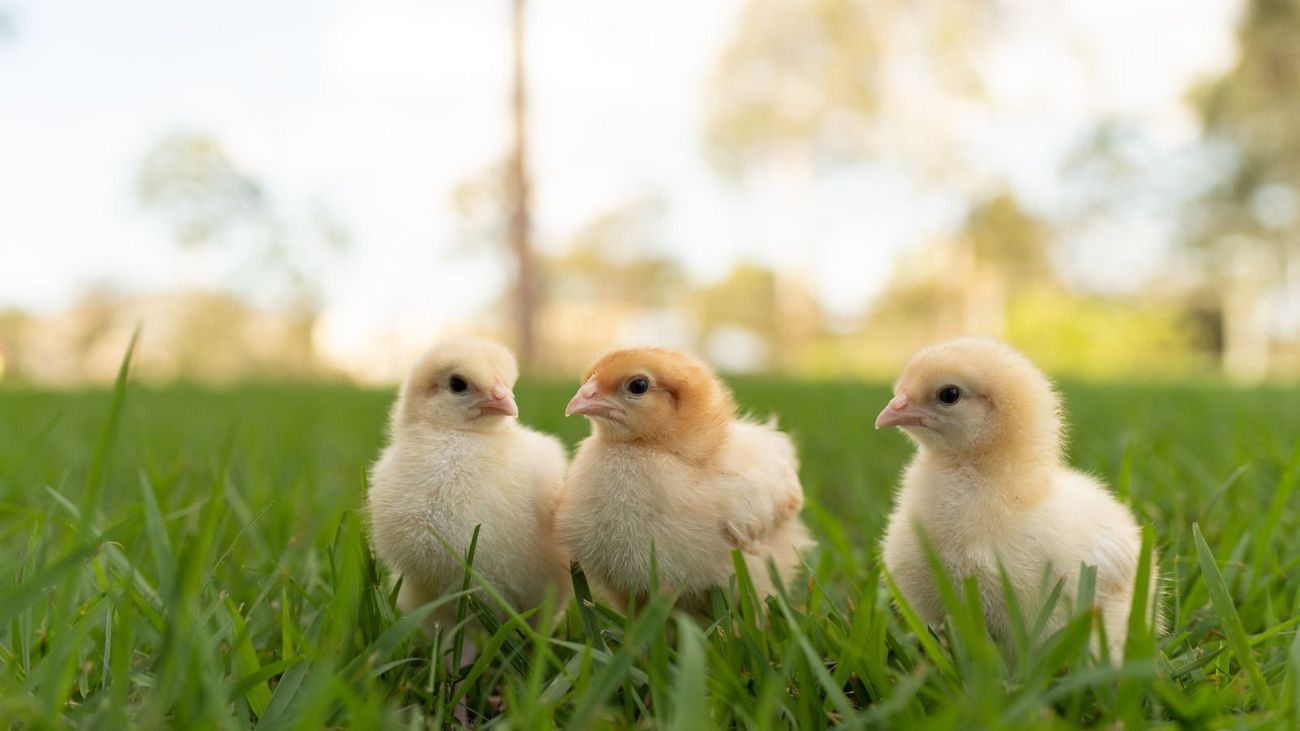
Chickens are, for reasons that I can’t quite put my finger on, addictive. If you keep hens for any length of time, and they provide you with nice fresh eggs every day, it won’t be long before you start contemplating the fact that each egg contains a potential chick, and with that, the realisation that you can expand your flock.
Since I began my chicken-keeping adventures a couple of years ago I’ve had a couple of attempts at hatching chicks, with what I think I’ll describe as mixed results. I made a few mistakes, I’m not ashamed to admit.
In year one I had the bright idea of hatching pheasant eggs in an incubator. This did not go terribly well. I bought some eggs from eBay - my first mistake - and set about trying to decipher the entirely baffling instruction manual to my third-hand incubator.
Despite the fact that the instructions had apparently been translated from Mandarin, into Sanskrit and thence into English by someone whose first language was Klingon, eventually and after a great deal of swearing, the machine was whirring away. Four weeks later, and much to my surprise, three of the six eggs started to pip (the term for when a chick starts to break out of their shell.)
Owing to a humidity problem, one of the chicks never made it out of the egg, but two eventually emerged. One, sadly, immediately drowned itself in the incubator water reservoir, leaving one white pheasant chick remaining. We named him Barry. He did pretty well for a few weeks, but soon was leaping out of his cardboard box and generally making a nuisance of himself. We moved him into a makeshift run in a disused stable, where again, he seemed to be doing well until one morning I went to top up his feeder only to discover nothing in the run besides a few scattered feathers and one solitary wing. Something, most likely a rat, had got him.

Lesson one: there is an enormous number of things that can go wrong when hatching chicks.
Later that year I purchased some six more eggs online - chickens this time. These arrived in the post neatly packaged, but the postman had left the package at a funny angle, so I was not convinced that the hatch would be all that successful. In the end, three of the six hatched, and, some time later, it transpired that two of the three were cockerels.
Lesson two: Don’t count your hens before they’re a few weeks old - they may turn out to be cockerels.
Then last summer one of my hens went broody, sitting on a clutch of about a dozen eggs. We left her to it, but after she had been sitting for about a fortnight we noticed that she had abandoned the nest. Investigation revealed that the nestbox had a severe red mite infestation. Unfortunately, the hen had broken a couple of the eggs, and we didn’t know how long she had been off them before we spotted her, but we fired up the ancient incubator once more, and popped the eggs in, along with some more internet eggs.
Having candled the eggs, we discovered that most of our own hen’s eggs had stopped growing, but in the end we had a successful hatch, producing one cockerel and two hens.

Against the advice and wishes of the rest of my family, I’m going to have another stab at hatching again this year. If you too want to have a go, here are some things you will want to consider before going ahead.
Incubating - natural vs mechanical
Despite what I said about our electronic incubator, there are lots of excellent electronic incubators on the market, with all sorts of handy features like temperature control, auto-turning of the eggs, and more. In general, and if you set them up correctly, you can be sure of a better hatch-rate using one of these than putting your faith in a hen, who could abandon the nest or just not do a good job of incubating the eggs. Another advantage is that you can choose when to time the hatch, so it fits around your holiday plans.
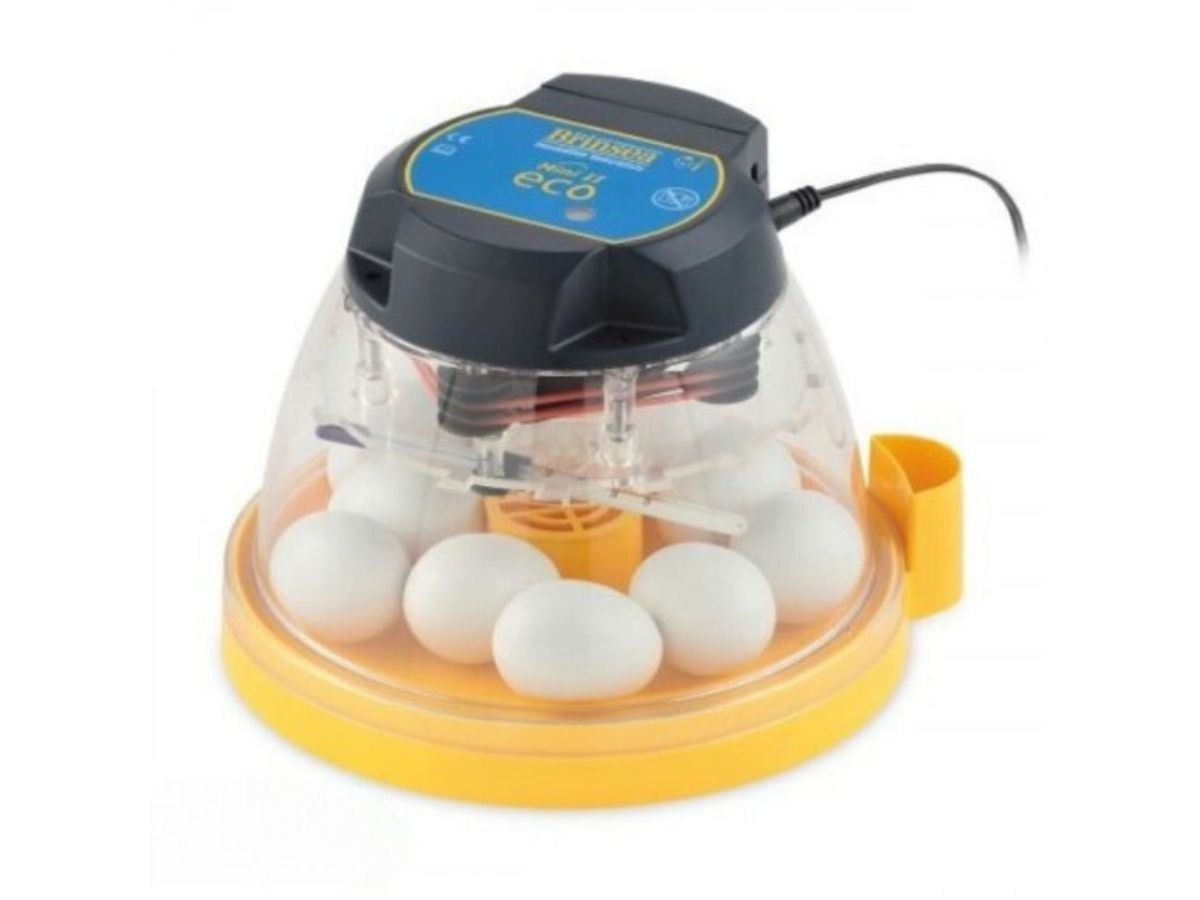
However, you will need a fair bit of additional kit if you choose to follow the mechanical route - not only the incubator, but a brooder to keep the newly hatched chicks warm.
The advantage of letting a hen do the work is that there’s no additional expense, and (with luck) she’ll do all the brooding and caring for the hatchlings herself. However, you will need to have a broody hen, which has been bred out of many modern strains of chicken and does leave your breeding programme somewhat in the lap of the gods. While it is impossible to force a hen to go broody, there are tactics that you can use to try to encourage broodiness - one method is to leave dummy eggs or golf balls in the nest box.

Your own eggs, or brought in?
Whether you go mechanical or natural, you’ll also want to give some thought to whether you want to incubate eggs from your own hens or buy in eggs.
Of course, for the former, your existing flock will need to include a cockerel. If you don’t have one, you will be able to find one pretty easily as lots of chicken keepers prefer not to have them, what with all the loud crowing at ungodly hours. We have two, which has created its own problems, namely that as the testosterone has begun flowing, the smaller of the two has been getting a very hard time from the larger, resulting in us having to isolate the smaller in order to prevent him from getting beaten up.
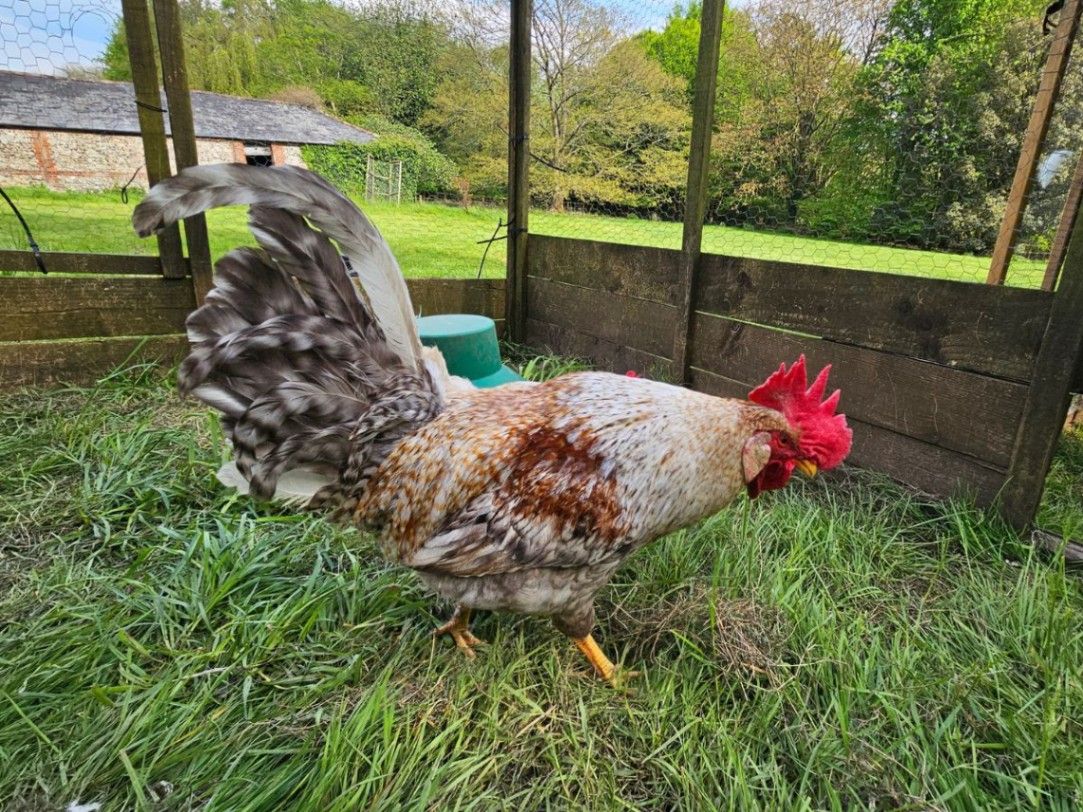
If you have a mixed flock with more than one cockerel, this method adds a frisson of excitement, since you don’t know which cockerel is the father until the chicks hatch, which means a nice surprise when you find out what cross-breeds you’ve ended up with.
If you don’t have a cockerel to perform the necessary, you have a couple of options. One is to get some fertilised eggs from a friend who does have a cockerel, and the other is to purchase some. I have used Durham Hens in the past who offer an excellent service and a wide variety of breeds - they even offer a ‘lucky dip’ package if you find it too hard to choose! While fertility can’t be guaranteed (even the transit process can cause problems, as described in the opening paragraphs), this takes some of the guesswork out of things.
Maternity ward
If you plan to go with the natural process, you’ll need to give some consideration to the accommodation you provide for your sitting hen.
While she is incubating her eggs, you may want to consider providing her with her own run and nest box (especially if your hens are free range). Not only will this keep her safe from predation, but it will allow you to give her feed and water within easy reach, meaning she won’t have to get off the eggs for too long. Once the chicks (hopefully) hatch, keeping the newborns separate from the rest of the flock until they are a bit bigger will prevent any bullying.
Nutrition for breeding hens
If you hope to use your own hens’ eggs for your breeding programme, you may wish to consider putting your ladies on a breeder diet, such as the one formulated by Farmgate. “For a successful breeding programme, you want to be sure your hens are in tip-top health,” says Lisa Mancell, National Sales Co-ordinator at Farmgate. “Strong healthy birds will result in good egg production, good fertility and higher hatch rates.”
A good rule of thumb is ‘if it is not in the egg, it is not in the chick’, so if you want strong chicks, think about what Mum is getting in her diet. When it comes to laying, the key nutrient is protein, but for breeding there are a few others to keep in mind, in particular Vitamin A, which is needed for embryo development and plays an important part in respiratory health, and Vitamin E, a deficiency of which can result in chicks dying in the shell in the early stages of incubation.
“Our breeder pellet is packed with all the key nutrients that help to ensure a successful hatch,” says Lisa, “so you don’t have to worry about supplements.”
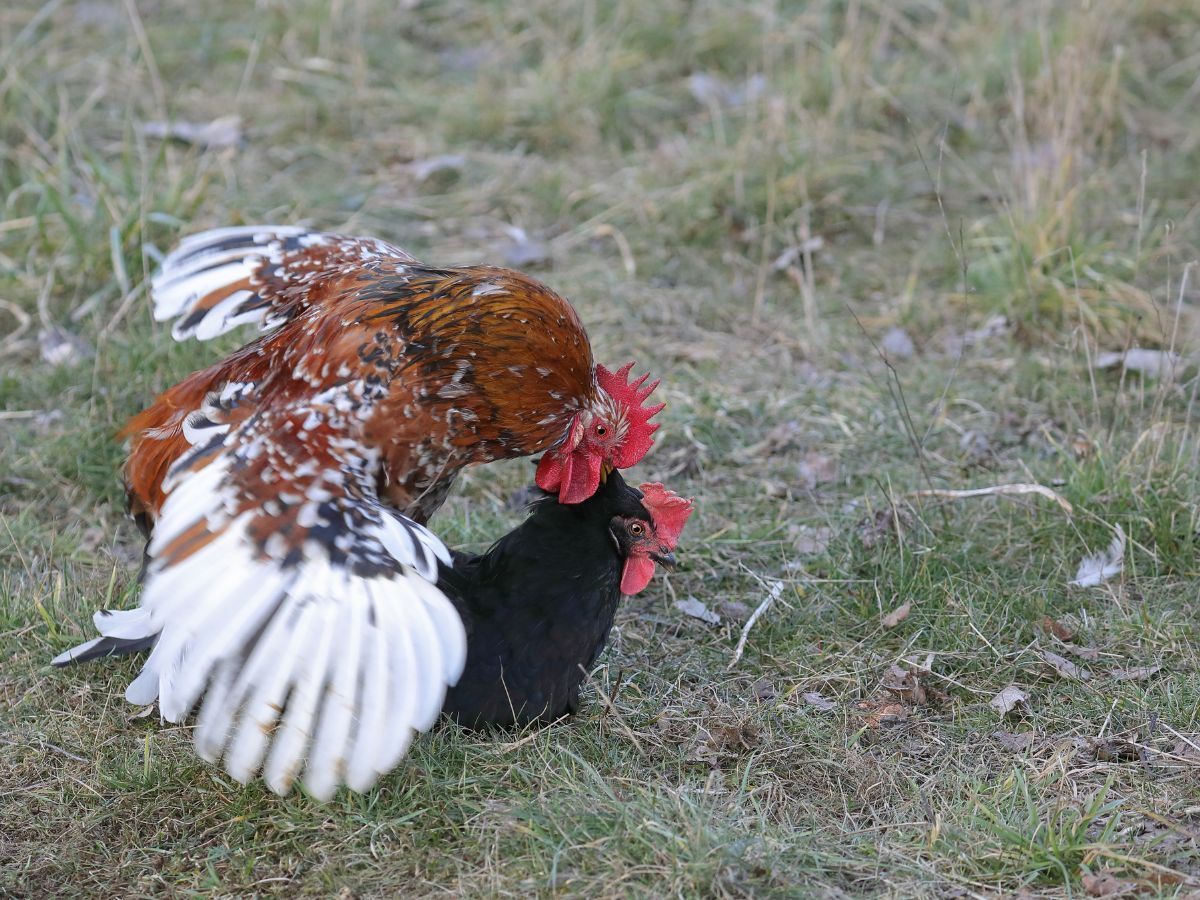
It is also worth considering the strength of the cockerel, especially if he has a lot of hens to, ahem, look after; he needs to keep his strength up! Again, Vitamin E is an important factor here, which ensures good testicular development and strong sperm viability.
Finally, while your hen is sitting it is important to ensure that she has a source of food, and most crucially, clean water within easy reach.
Breeding and hatching your own chicks is immensely rewarding, and a good way to achieve what all garden or smallholder chicken keepers secretly (or not so secretly, in my case) desire: more chickens. But be warned... it is a slippery slope!