A Brief History Of Wing Shooting In South Africa
South Africa's wing shooting, rich in history and diversity, offers hunters exciting experiences with game birds in varied habitats, underscored by evolving conservation practices and historical influences.
.webp)

Words by Oliver Severn
Wing shooting in South Africa is not only a thrilling adventure with a rich history but also a location offering a great range of wild wing shooting. South Africa's diverse ecosystems provide habitats for various game bird species.
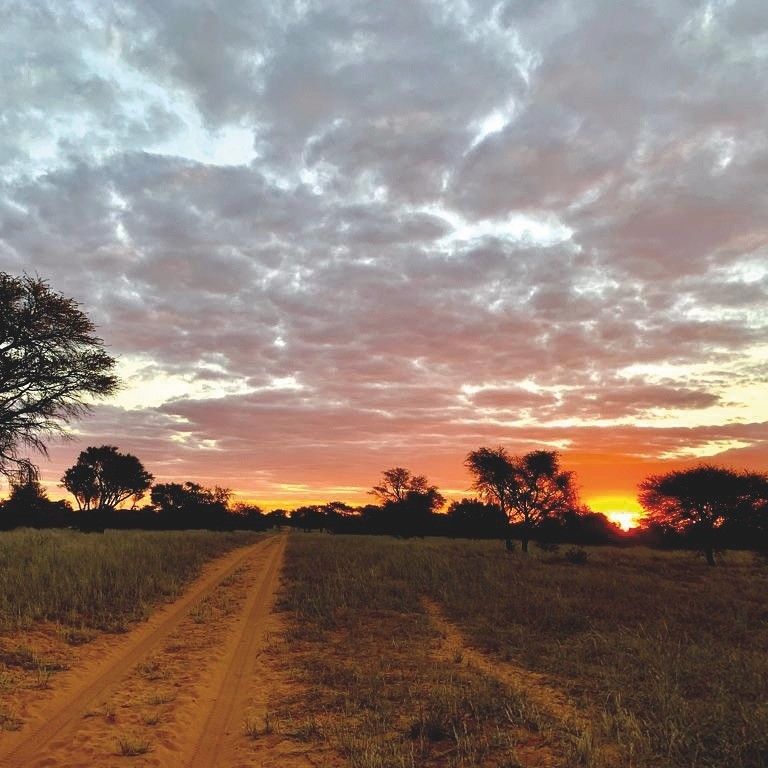
Main game bird species include:
- Guinea fowl, which are found in savannas and grasslands and are known for their distinctive spotted plumage and challenging flight patterns.
- Francolin, a family of game birds that thrive in various habitats from semi-arid regions to highveld grasslands, offer a variety of birds to pursue.
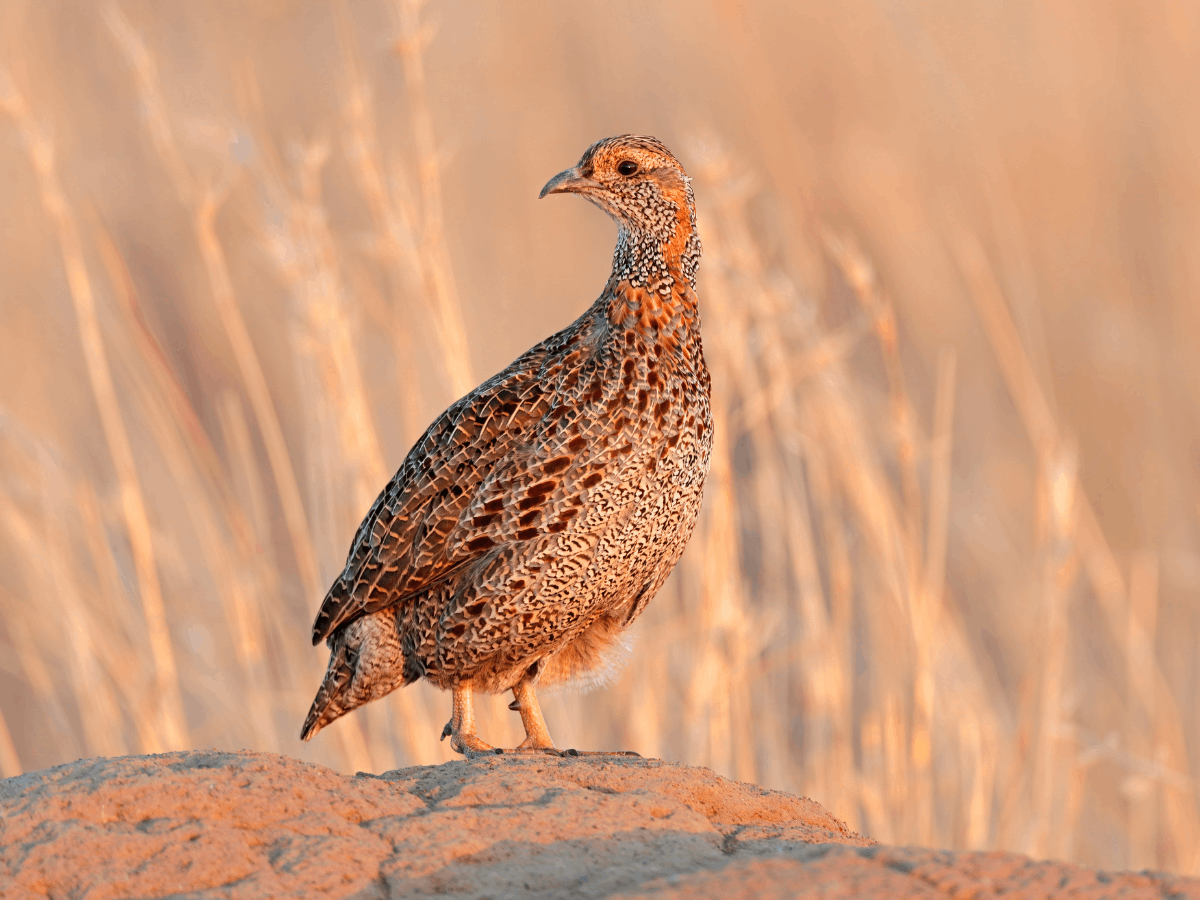
- Native partridge species, such as the Grey-winged Francolin, inhabit mountainous areas and provide thrilling shooting opportunities.
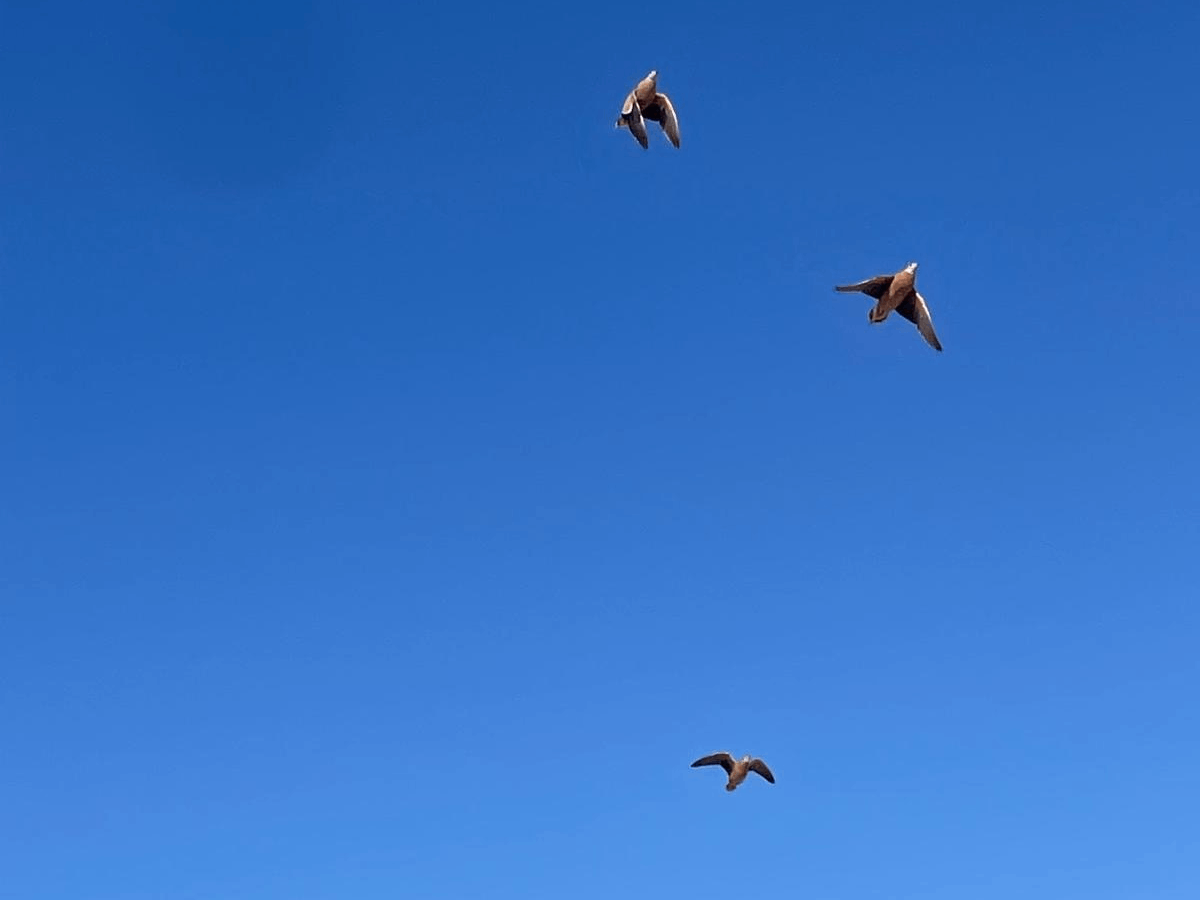
- Sandgrouse, which are adapted to arid environments, are known for their long flights and are a challenging target due to their speed and erratic flight patterns.
- Rock pigeons, common in agricultural areas and rocky outcrops, are a popular quarry due to their fast and unpredictable flight.

The roots of this exciting sport trace back to the 17th century when Dutch settlers first arrived. Over time, it has evolved and been shaped by British traditions and local influences.
Wing shooting in South Africa became popular during the British colonial period in the 19th century. It was not seen as just a sport but also a social event, with grand hunting expeditions into the wilderness. This British influence brought with it a more formalised approach to wing shooting, introducing game management practices and hunting seasons to ensure sustainable populations of game birds.
The sport became a symbol of status and prestige, enjoyed primarily by the colonial elite, with the hunting trips being considered as grand social events, often involving weeks of preparation and travel.
The expansion of agriculture and the establishment of farms significantly impacted the various game birds. While some areas saw a decline in game bird populations due to habitat loss, others experienced an increase, as agricultural practices provided new food sources. The relationship between farming and hunting was complex; however, many farmers often managed their land to encourage game birds, integrating conservation and sport.
The mid-20th century brought significant changes to South Africa, including the end of colonial rule and the establishment of the Republic of South Africa in 1961. These changes extended to wing shooting, with a shift in the socio-economic landscape. The sport, once dominated by the colonial elite, became more accessible to a broader segment of the population.

The modern era has seen a heightened awareness of conservation and sustainable hunting practices. The unpredictability of wild game, a hallmark of wing shooting, necessitates careful management to ensure healthy populations. Game bird populations are influenced by various factors, including climate, habitat conditions, and human activities.
Unlike managed shoots, where game birds are bred and released in a more controlled environment, wild bird shooting depends entirely on the natural behaviour and movements of the game birds. This often means that the guns must adapt to the conditions of the day, including weather patterns, food availability, and seasonal migrations. This provides a distinctive and exciting style of shooting.
In conclusion, wing shooting in South Africa has evolved hugely since the colonial era, shaped by historical events, socio-economic changes, and conservation efforts. The sport's unpredictability, driven by the behaviour of game birds, continues to provide hunters with unique and challenging experiences. As South Africa moves forward, the balance between tradition, sport, and conservation will remain key to the sustainable future of wing shooting.
At William Powell Sporting (WPS), we are passionate about trying to connect guests with the best wing shooting opportunities South Africa has to offer. Whether you're interested in the challenging flight patterns of guinea fowl, the diverse habitats of francolin, or the uniqueness of sandgrouse and rock pigeons, we are always delighted to assist.

If you would like to explore the opportunities available in South Africa, please do not hesitate to contact us.