An alternative A-Z guide to Gardening for wildlife abundance
Further to Jamie Blackett’s thought-provoking article on the ABC to conservation, regenerative farming, and wilding, as promised here is an ABC to conservation, regenerative gardening, and wilding for your garden.
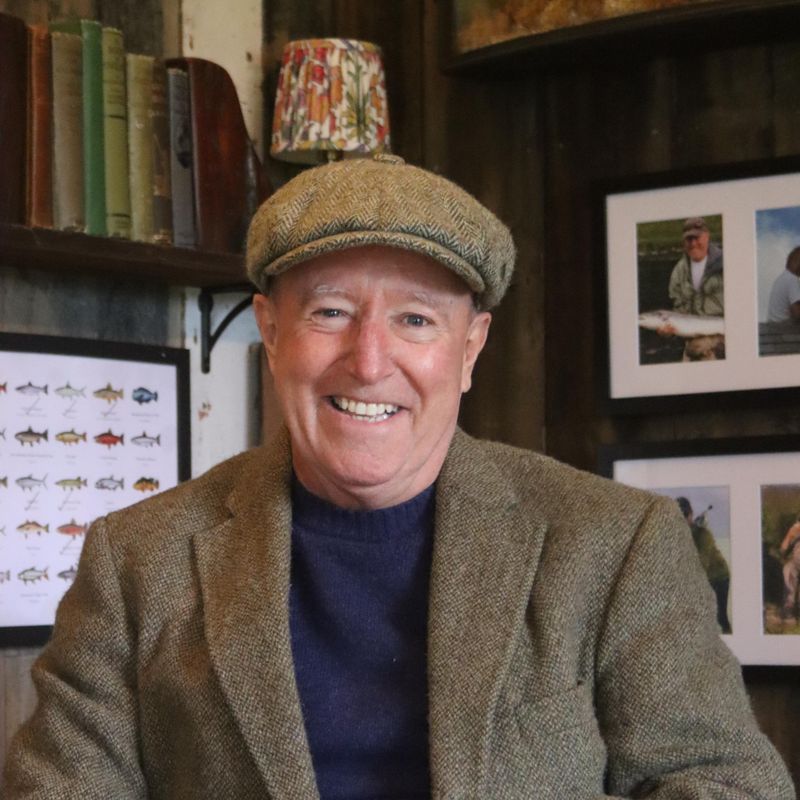
For context, our garden is just over two acres and we are blessed geographically to be within a spit of the River Kennett, but even so, I am convinced that most of the some 16 bird species that nest each year in our plot and the nearly 60 species I record each year are down to some of what I write here. I am not a scientist and everything I narrate is through my own findings and what I observe. When we moved here in 2012 there was a muddy path all around the boundary with an electric cable that kept the two Bedlington terriers within the perimeter. A sort of dog racetrack, and like most gardens in 2012 a fairly uniform lawn. There were seven random and very large leylandii trees sucking out the life, light, and soul of the place with a bare lappet fence on the right and a bare barbed wire post and rail fence on the left. My task for you is to pick out something from below.
A is for And
We start with AND. It’s a mindset thing the whole plot is gardening AND nature, I am either gardening directly for nature or with nature in mind, including my kitchen garden, so first you will need to get your head into gear.
B is for Blossom and Bees
Those big queen buff-tailed bumblebees flying low to the ground in late Winter are not just looking for somewhere to nest they are also hungry. And, with milder winters they wake up earlier. Mahonia (December) winter honeysuckle (January) and pulmonaria and crocuses (February) can help them through the darkest months followed by the earliest fruit trees like damson and pussy willow for it’s pollen. This is like looking after your broodstock
C is for Compost and Cover
How many plastic bags of compost are unnecessarily lugged across our lands, while the empty bags fill our landfill sites. A compost heap is not just a cost-effective way to replenish your soil’s nutrients and improve its structure, it is also a house and home for a multitude of beneficial creatures and no it will not encourage rats, providing you never introduce any cooked produce or meats. I have two bays, simply made from old wooden pallets. One, for adding new material and one to take away. The current season's new pile is home to grass snake eggs every year laid betwixt dried beech leaves I deliberately leave at the base before adding the fresh grass cuttings bringing warmth from above. Dotted around the garden are piles of decaying logs, leaf litter, and spent herbaceous stems. Stacked neatly they do not appear messy and the long grasses and wildflowers all around create their own mini ecosystems.
D is for Disturbance and Dogs
We see the odd muntjac in the garden and try as I do to discourage them (they eat the tulips and camassia) they just jump the fence from a standing start, but it was only when a neighbours’ spaniel ran into the garden and the childlike cries of a baby muntjac alerted a furious mother to come streaking across three paddocks and two fences did I realise she had decided this was a quiet safe space to be her nursery. We all underestimate the disturbance from pets, while wild animals can become accustomed to us humans. Just the presence of cats and dogs pushes wildlife away, no-kill required, why waste energy on evasion? The dog race track has now healed over.
is for Edge and elbow grease
Nature adores an edge, that natural boundary between two ecosystems. Hunt and feed in the shorter grass within easy reach of somewhere to dive for cover. I see three common garden edges. Different heights of grass, (mown paths) woodland edges (trees and shrubs), and water land (ponds). They also then create that great diversity of species. I say elbow grease because strimmers kill everything and just because something is not a flowerbed does not automatically mean no weeding is required. I remove a lot of thistles, docks, and nettles by hand.
F is for Feeders and fungi
I put out bird feeders only for the hunger gap from January through to the end of March, placed under a mass of tangled climbing roses relatively safe from sparrowhawks and sheltered from the weather. Black sunflowers seeds for greenfinches, chaffinches, coal, blue and great tits, plus nuthatches, niger seed for goldfinches, redpolls, and siskin, and lastly some fat for the long-tailed tits and robins. Dunnocks scavenge below. A few scattered apples on the lawn for the blackbirds, mistle thrushes, fieldfares, and redwings. I have a small stand of birch trees below which emerge each October stands of fly agaric ‘little people’ fungi and boletus. They are as much a joy to see as any seasonal flower. Additionally, all those piles of dead wood encourage further fungi bringing benefits to the overall soil fertility with their magical benefits.
G is for green woodpeckers and grass snakes
The chemical-free lawn encourages green woodpeckers all year round. A wonder of natural camouflage from above blending with the green swards and when he ‘yaffles’ his way up to a tree you can see the holes he has left in the soil hunting for ants like some giant snipe. When it is warm the grass snakes come hunting in the pond terrorising the frogs and crucian carp
H is for hedges and hives
Look how the robin sitting in the hedge flies out and grabs a spider only he can see, before flying back to cover. All the boundaries now have mixed native hedging, bringing food, shelter, and highways we don’t even realise exist. And quiet sheltered corners, where on windy days the flycatchers can hunt in peace. The hives have been a revelation in how they have increased our fruits and beans, but imagine how they must also provide extra food sources for all those fruits we humans ignore.
I is for insects and inspiration
If the insects thrive then the food chain will blossom. This is the foundation for your wildlife garden, and it is so simple. No chemicals and an aim to introduce an abundance and a diversity of flowering plants throughout the year. This includes your hedges, trees, fruit garden, kitchen garden, lawn, and flower beds – they all contribute. No single species lawn and a bare wooden fence. Sitting on a summer’s evening watching the insects, particularly over the wildflower turf, and hearing the flycatcher snap them in his beak is my inspiration.
J is for juxtaposition
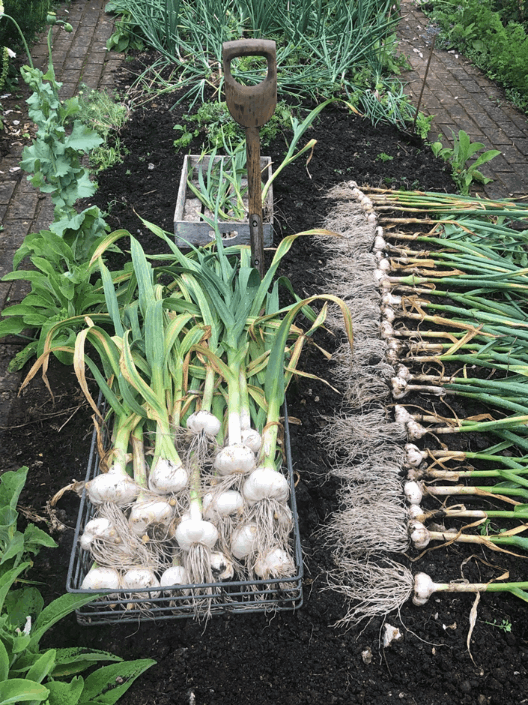
This is a continuation of the ‘edge’ theme, creating those mixed habitats. Long-tail tits appreciate a thorny bush to weave their wonderful nest and sometimes use a small spikey ‘Crown of thorns’ bush. Unfortunately, they often succumb to predation, so I have planted around this single bush three gorse plants, a holly, and a rugosa to create an impenetrable fortress. Growing companion plants like pungent garlic helps carrots by confusing their smell to carrot fly. Plus. Borage is great among the vegetables as it attracts so many beneficial pest-eating insects.
K is for knowledge and kestrels
You can spend your whole life reading books, watching videos, and googling whatever. Undoubtedly you will gain knowledge in gardening for nature, but ultimately, it’s what works and grows in your patch, what you learn by experience, and what local people say. I have never read that mistle thrushes prefer larch trees for nesting. But here in Wiltshire, they do. They find a flat platform for the nest and like to lay their eggs before the fresh needle growth during incubation to help their line of sight to predators and then have a covering green canopy as the chicks near fledgling. A tree surgeon said to me ‘Why don’t you take out those old larch trees’ The larch trees stay. Understand what works in your garden and look after it. I mention kestrels as there are fewer around these days and I think they suffer from the increasing hordes of jackdaws both from nest competition and general harassment, but at least here they can be seen hovering over the mammal-rich long grasses.
L is for Lawns and leylandii
Is the beauty of a lawn its rich continuous shade of green, or its rich colours of daisies, clover, selfheal, and trefoils, buzzing with insects? Depends on what you like and of course, you could have both. But plain green lawns now remind me of sterile fields of barley or corn. We have removed seven large leylandii, which sucked life and water from about 20% of the garden we inherited. Useless dark forms from Mordor, no good for logs and little good for wildlife except where the collared doves and goldcrest like to nest, so we reprieved two. But I now have 20% more garden open to the World.
M is for mammals and mice
You haven’t forgotten them, have you? Mammals and mice may not be that visible as you lie in your bed at night, but the long drawn-out hoot of the tawny owl coming through your window tells you they are there. You can begin to hear the benefits of your ‘well-managed’ garden.
N is for nestboxes and nettles
When I was a child, we only ever put up a blue tit nest box. But you are in control now and there is so much choice with boxes catering for birds, bees, and bats. My latest additions are house martin nest boxes and a swallow cup sheltered under one of the eaves, which spotted flycatchers love each summer. Now every ‘gardening for wildlife’ book will say to grow nettles for peacocks, tortoiseshells, and red admiral caterpillars. However, you normally require a big block to attract these beauties, maybe too big for your garden. Therefore, I grow them in smaller pockets where they provide great cover for nesting hedge sparrows, blackbirds, and blackcap, especially if they weave into a hedge or shrub. Leave them in the Winter and bullfinches will appreciate their seeds when snow covers the ground.
O is for orchards and observation
I have never quite understood why gardeners grow non-fruiting ‘flowering’ trees like cherries when you can have blossoms and fruit. If you are able put in an orchard and see a succession of blossoms from Damson, through plums, cherries pears, and apples, from March to May and then harvest from August to October. To realise the success of your wildlife garden you will need to observe what is happening. May I recommend a moth trap as a brilliant way to get children involved and interested in the world around them?
P is for Ponds and plastic
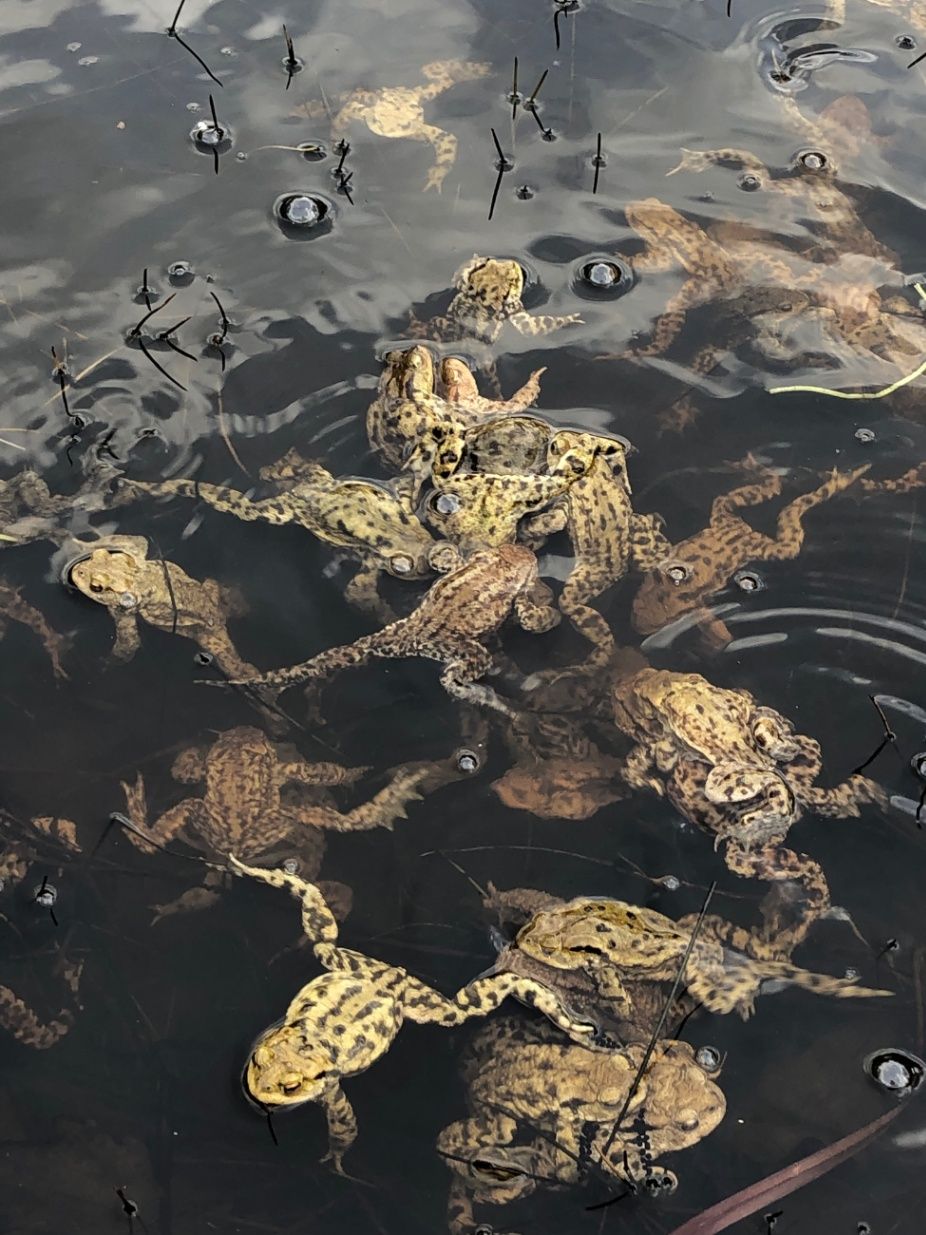
If insects are the foundation for your garden, then for square foot productivity a pond is the single biggest gain you can make and the easiest way to get everyone inspired. Without our pond, I would never see a grey wagtail in our garden. Now plastic gets a bad wrap and quite rightly, but there is one single piece I would recommend for the garden. The Rotol compost convertor takes all your raw kitchen waste (non-meat) and just eats it in no time, leaving a rich humus. It is also great for breeding the striped brandling worms when fishing for perch.
Q is for Quercus and questions
Oaks can sometimes be seen as slow-growing. This should not deter us from planting the single most species-rich tree in the country – Leave a legacy. There are so many competing directives, trends, and answers in today's awakening of sustainability you need to keep asking questions and if all fails resort back to Jamie Blacketts' point, use your common sense.
R is for rotation
The key to your kitchen garden is rotating what you grow in rows, blocks, or raised beds to maintain the nutrient levels of your soil. And then by having a continuous rotation of flowers all through the year, you help insects starting with the early bees
S is for sycamore and slugs
I say sycamore because I left the thirty-foot trunk of a sycamore tree still standing, we had to fell for the fungus, insects, and birds. The result is a nesting green woodpecker see below. Slugs cause me pain but I did find out recently that the big leopard-patterned ones are slug predators so be careful which you kill.

T is for Trees and taxus
Trees help give you more of that all-important edge habitat, but horizontally and vertically. They also act as natural barriers in the air trapping the flow of flies and spiders, creating feeding areas for house martins and swallows. Maximise wildlife value with berries, seeds, and nuts, e.g. hawthorns, rowans, all fruit trees, birch, beech, and hazel. Tightly clipped taxus (yew) give you cover and shelter, great for early nesting song thrushes.
U is for untidiness and unnecessariness
Remember your mindset at the beginning of the Alphabet. You are gardening for wildlife, and it loves a mess of habitats dead and alive. Your job is to manage this mess, harness its beauty, and see wildflowers in the lawn for what they are. Flowers to be appreciated, and for all the leftover clippings there is either the compost or those hideaways in the hedges.
V is for voles and vegetables
Under some old, corrugated tin in an area of long grass hide families of voles, along with a toad, a surefire safari stop off when explaining nature to children. The best free nature home you never found in a garden center. Later in the year, the grass snakes will push out the voles as they lie under the steely warmth. I call out vegetables because it keeps you alive to the seasons and your healthy garden will need no sprays with all the birds and insects.
W is for willowherb
In addition to the common deep pink flower, there is also a beautiful white and a lighter pink variety. Be careful it is quite invasive, but I grow it for the flowers and for being the food plant of the elephant hawk moth. Another example of a wonderful flower usually denigrated as a weed.
X is for Xcelerate and xecute
Sure I struggled here with the alphabet so as a call to arms I am stylizing the words to say get on with it
Y is for Yellow Rattle and yaffles
Rhinanthus minor (yellow rattle) your most important plant, in the Wildflower meadow parasitising off your grass. We all love a good yaffle stabbing the lawn
Z is for the zoo
You may be unaware, but by now you already have your own wildlife zoo in the garden, you are the zoo keeper. Your very own Jonny Morris in your own ‘Animal Kingdom’
Good luck