
From Mockery to Meditation: A Fly Fisher's Journey
Trying too hard in love can often result in a tormented heart, the same can be the case with fishing.

I'm a wildlife artist, writer, countryman, Trustee and Welsh chair of the GWCT, conservationist, and woodcock ringer/researcher with a growing participation in the debate surrounding future land…

Trying too hard in love can often result in a tormented heart, the same can be the case with fishing.
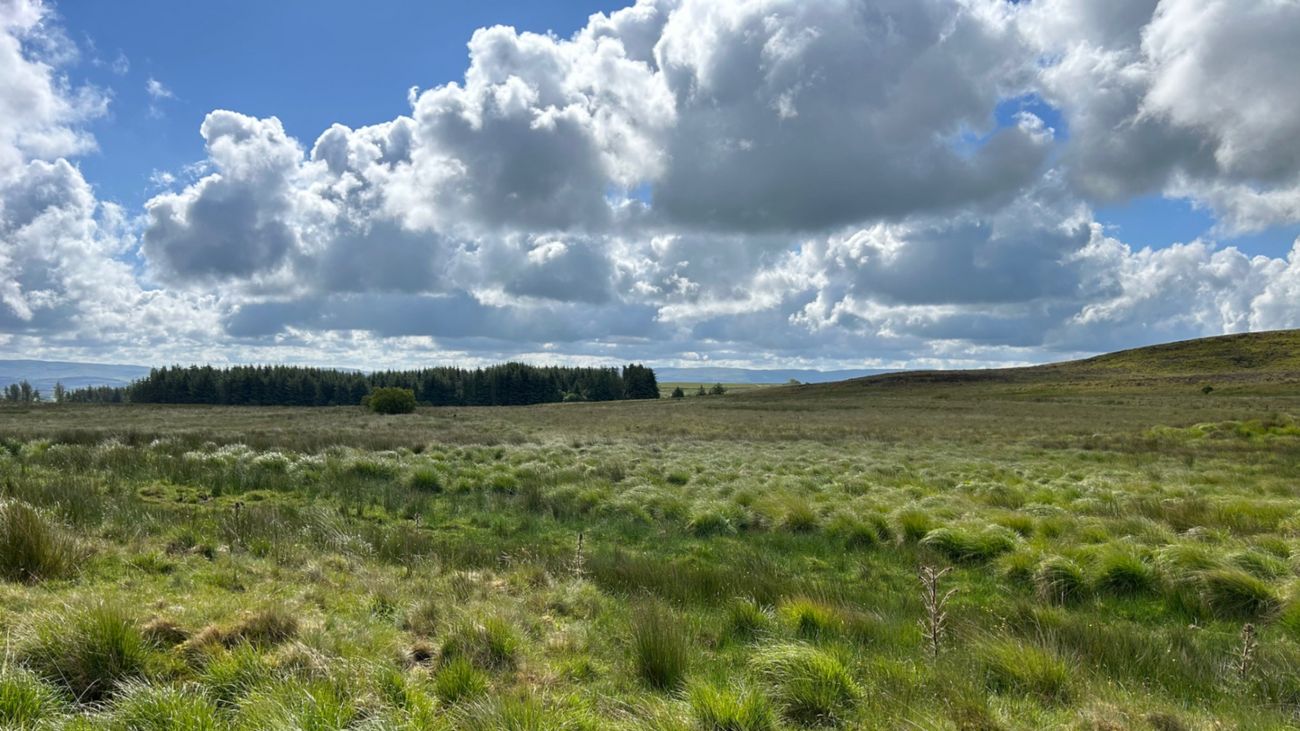
With demands on the public purse being extremely high, should politicians be doing more to fund and facilitate bottom-up land management solutions such as Farmer Clusters which are proven to deliver more bang for the conservation buck?

What if our uplands are already producing good biodiversity and tree planting will damage this and their potential to capture carbon? Is there time to rethink, or has the expensive rewilding express train already left the station?

A trip to a woodcock seminar in Hungary prompts a reflection on how Britain fails to pay tribute to our quarry in the way most countries in Europe do.

There's a battle over land use in the hills and glens of Scotland, the outcome of which will determine the future prosperity of many rural communities. "The Last Keeper" documentary explores the views on both side of this bitter fight.
As Gerald Durrell's wonderful book 'My Family and Other Animals' revealed, sometimes our interactions with wildlife can take the most surprising and amusing turns.
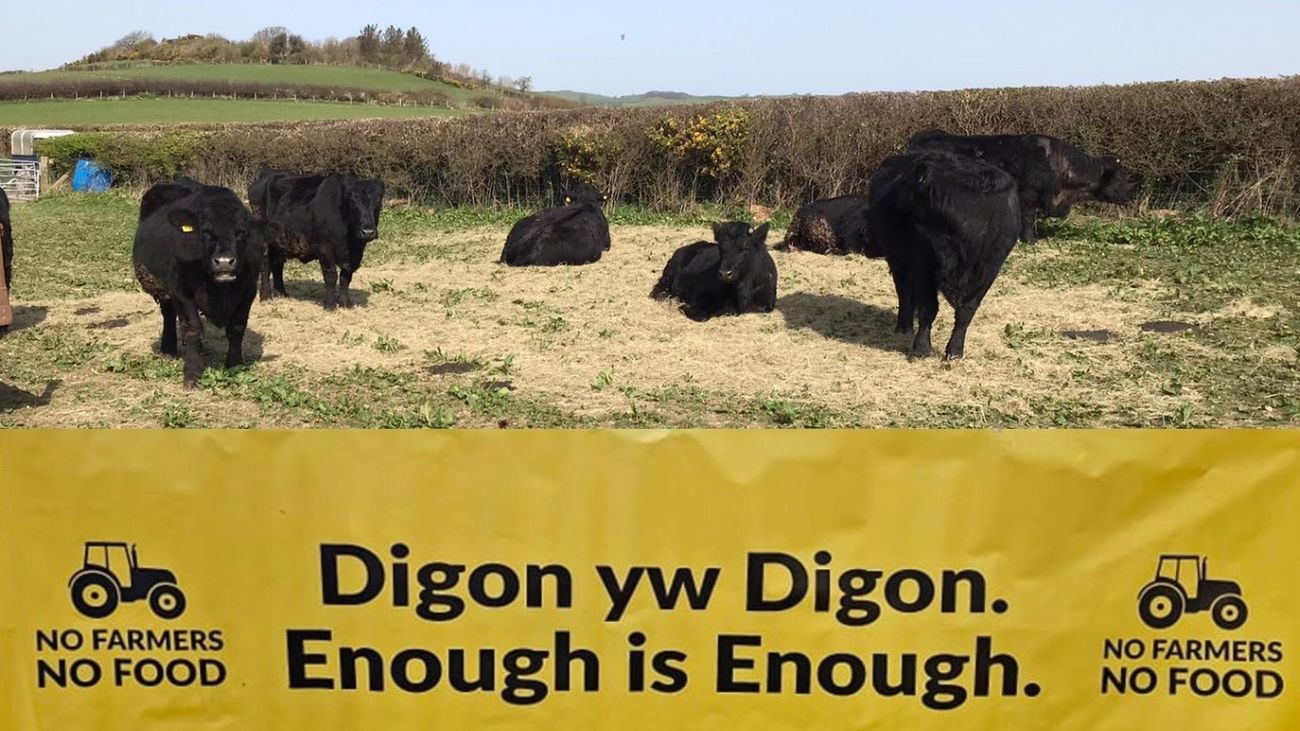
Analysis of the impact of the Sustainable Farming Scheme in Wales has revealed the intention of the Welsh government to impose a major cut to average farm incomes. Welsh farmers feel that their government is turning a blind eye to the consequences.

We can justifiably be proud of the socio/economic and biodiversity benefits derived from well run shoots. Although some still fight against it unless we embrace the science on lead ammunition this remains an elephant in the room.
The migration of birds has fascinated natural history scholars for thousands of years. Now we are beginning to get a better idea about how birds use innate abilities and a range of other cues to help them migrate huge distances across the globe.
-fox-about-to-predate-a-curlew-nest-(1).jpeg)
We have a real problem when policy makers avoid peer reviewed science because it might clash with their prejudices. This appears to be what has happened in Wales over the Governments recent ban on snares/ HCRs.
Reductive arguments, false narratives, and wilful misrepresenting of the science by lobbyists are influencing policy on how we manage our uplands. Now leading scientists are insisting we review all the science before rushing to make policy.
In our modern urban biased world we have lost much of our connection with natural landscapes. In contrast those of us who hunt continue the enriching and special connection with the land started by our ancient ancestors.