Beyond Climate Change: The Urgent Need to Protect Bio Abundance
Everyone will soon be coming for your piece of nature. New laws, new trends, new curiosity. It’s both an opportunity and a risk. Will you be able to cope?

What’s more important Climate change, biodiversity, or bio abundance. Trick question or stupid question? The reason I ask is that Climate change sucks up so much of the oxygen, I think we sometimes need reminding there are other factors at play to make this planet a better place. Let’s not think it is the panacea for all biodiversity loss, any more than biodiversity loss is the panacea for all our bio abundance challenges. On both these points I would argue that bio-abundance (at least in the UK) is currently just as much a pressing concern.
According to the BTO since 1970 the UK has lost an estimated 73 million birds, that’s quite a chunk of feathers and a dent in our ecosystem. At the same time, I don’t think we have lost any actual species and while climate change may have been a factor in this, I would hazard a guess the majority of the impact has been habitat-related due to agriculture practices. urban development and infrastructure expansion leading to widespread habitat loss and fragmentation.
Of course, a reduction in bio abundance can eventually lead to a decrease in biodiversity, with certain animals becoming more vulnerable to a predation tipping point like we discuss a 1.5C climate change tipping point. But even here we struggle to have an honest discussion because managing predators is seen as not natural in this unnatural World we have created where we have a responsibility to manage our environment. We will have to play God sometimes.
My ask is for a more rounded conversation and business not to think we can just plant a few trees (particularly the wrong trees in the wrong place) to offset carbon emissions and everything will be fine. The PWC Nature Dependency Report 2023 estimates that 55% of human activities or systems are dependent on nature in some way. Nature matters. We should be considering it more like an asset and business practices will need to change as a result: Here are two examples.
First, there is the growing acceptance of measuring a company’s impact on nature and the risks called The Task Force on Nature-related Financial Discussions (TNFD), so hopefully it will become business as usual in a company’s annual report for impact, mitigation, and risks.
Second, a new law to alleviate the impact on nature by Developers called The Biodiversity Net Gain (BNG) legislation, is set to be implemented in February 2024. This aims to mitigate environmental damage and mandate Developers to achieve a minimum 10% biodiversity net gain on new developments in England. This legislation aligns with the government's objective of safeguarding 30% of land and sea by 2030. The strength of this law will be the requirement to maintain this habitat for 30 years. No more just leaving a piece of set aside but proactively managing it for nature.
Both these initiatives are on the face of it good news for nature. It should drive a more nuanced conversation than “just grow more trees” and get down more into the weeds. It will however create an increase in demand for nature-literate people in industries and disciplines previously not known for understanding nature. Finding these hires will be a challenge.
As Field sports enthusiasts, most of us have our knowledge deeply rooted in our psyche from experiences in childhood, a bottoms-up view. But even those connections are becoming more fragmented as generations die out. The onus is on us to educate, otherwise, TFND and BNG could just spark a merry-go-round of the same old people in these new jobs with the same old prejudices. An influx of money spent wisely in nature sounds great but what of unintended consequences?
Here is an example of something I cannot quite get my head around in the name of biodiversity and please speak up and comment if I have got this wrong.
I saw on Countryfile that we are looking to re-introduce wild cats onto Bodmin Moor – yes Wildcats. They have not been there since at least before the 16th century when the World was a very different place, including no doubt considerably less than the eleven million domestic cats we have roaming around the UK today, looking to hybridise with any Tom or Molly they can find. I get the romance and if they could truly reduce rats and squirrels, thereby contributing to our ecosystem then that’s great. I just have gnawing angst that there must be so many more deserving creatures on Bodmin Moor we should be focusing on that were once abundant only 50, not 500 years ago. Could we not focus more on protecting our diminishing breeding snipe, lapwing, and curlew? Bodmin is also a stronghold for wheatears, redstarts, stonechats, and many warblers, as well as a Nationally important area for wintering waders, harriers, and short-eared owls, why would you risk these creatures by bringing in another threat on top of everything else?
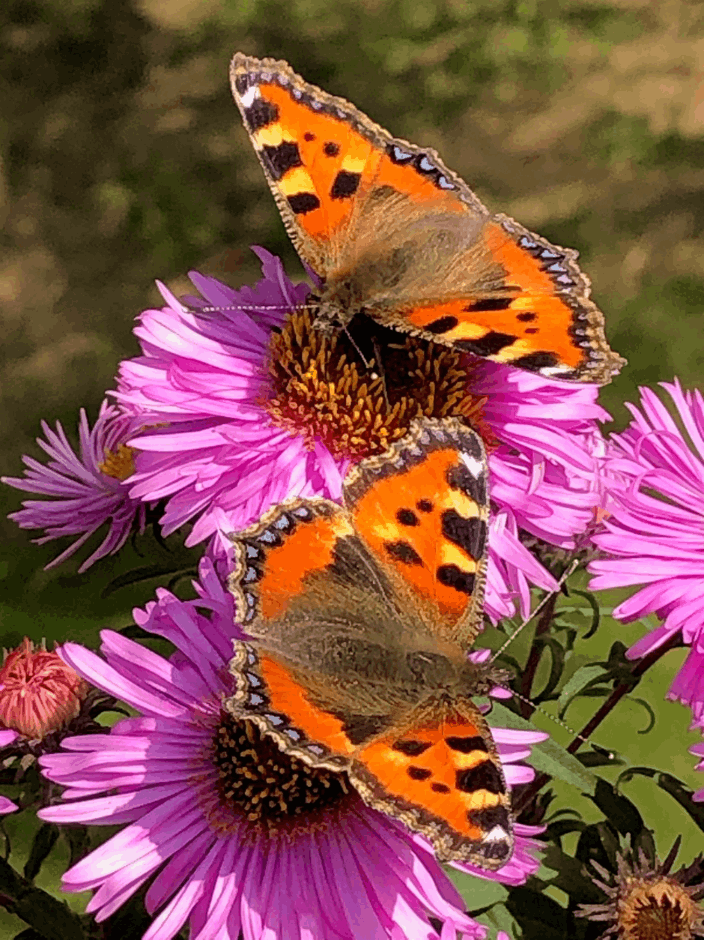
I have never seen a wildcat, but I used to see clouds of tortoiseshell butterflies. They were abundant everywhere for all to see. Which is more important?
Maybe we should ask the Beast of Bodmin if he/she minds sharing the environment with a smaller cousin. Perhaps therein lies the answer to my question. The existence of the Beast should show up on the feasibility report and make it a no no. On a more serious note, if
hybridisation with domestic casts is the biggest challenge for wildcats in Scotland, how come it is even worth considering on smaller Bodmin Moor?
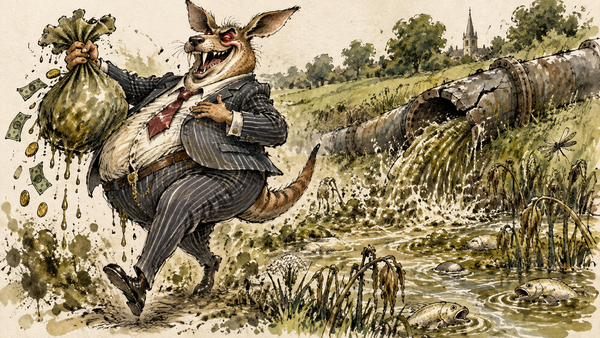
Back to my original question. We need to act on climate change and bio abundance. Climate change will take time, and obviously, the two are interconnected but we should not shine all the light on the climate when there is so much more, we can do today to impact bio abundance. It would indeed be a pyrrhic victory if by the time we figure out climate change we have very little to preserve. Water companies take note.