Changing the Game: Taking Salmon Farming Out of the Sea
An introduction to the exciting development of land based aquaculture against the backdrop of disease issues and other terrible news stories regarding open net salmon farming at sea.


Food for Thought - Salmon Farming
Responding to Ian Coghill's excellent article on the abject shortcomings of the institutional conservation charities with revenue driven endorsements of open net salmon farming, here's a view from within the food industry... and I'm afraid the last month's newsreel is not easy reading
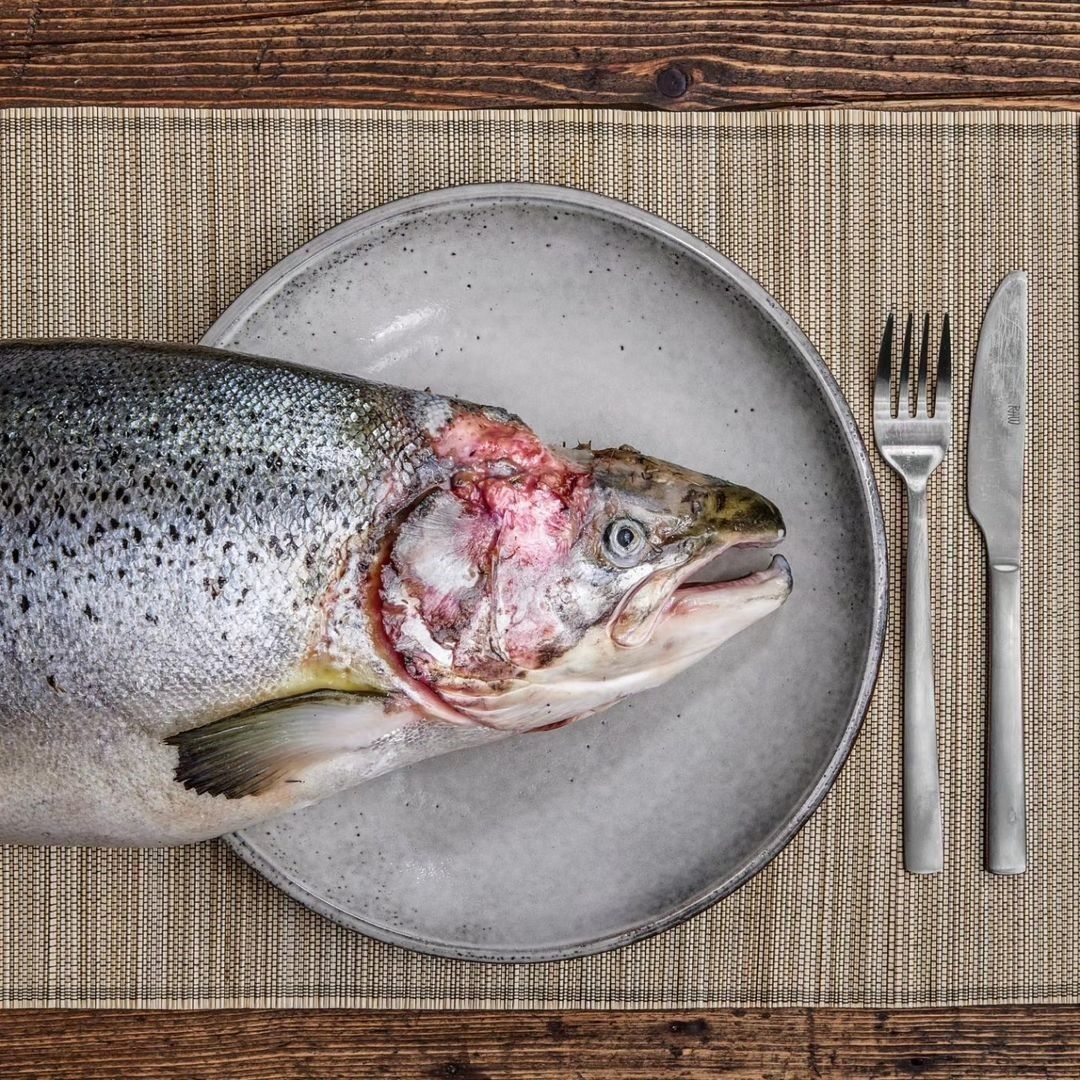
09/05/24 - GREEN WASHING THE SALMON INDUSTRY? NGO'S SLAM GLOBAL SEAFOOD ALLIANCE
30/05/24 - LERØY REPORTED TO POLICE OVER ESCAPE OF 14,000 SALMON
28/05/24 - PRODUCER ANNOUNCES ISA OUTBREAK AT MILLION FISH SITE
28/05/24 - MASØVAL TO HARVEST 390,000 SALMON EARLY FOLLOWING DISEASE OUTBREAK
03/06/24 - LERØY HIT HARD BY BKD; 12 OUT OF 15 INFECTED SITES BELONG TO COMPANY
03/06/24 - NEW ESCAPE INCIDENT REPORTED BY LERØY
05/06/24 - SUSPICION OF INFECTIOUS SALMON ANAEMIA AT MOWI SITE
05/06/24 - SUSPECTED ISA OUTBREAK AT SALMAR FACILITY
06/06/24 - INDUSTRY INVEST $3 MILLION TO COMBAT JELLYFISH THREAT AFTER MILLIONS OF SALMON KILLED
16/06/24 - ISA OUTBEAK CONFIRMED AT MOWI SITE
18/06/24 - NORWAY CONTINUES TO STRUGGLE WITH INFECTIOUS SALMON ANAEMIA, BACTERIAL KIDNEY DISEASE OUTBREAKS
24/06/24 - A CRUCIAL MOMENT: NORWAY RESTRICTS SALMON FISHING ON 33 RIVERS
25/06/24 - INFORMATION SOUGHT ON POSSIBLE ESCAPES AT MOWI AND CERMAQ SITES
Dreadful stories of disease, jellyfish and escapes - everything we have come to expect from an unsustainable industry blighted by significant animal welfare and husbandry issues and yet the same industry keeps expanding and reporting burgeoning profits - how so?
Much of it comes down to the low conversion rate of feed to protein in fish farming which has historically, for salmon, been in the region of 6:5 - so the compelling argument for it (and fish farming in general) is that it is (or should be) a cheap way of producing protein for an ever-growing population, and this is important, but then there's the thorny issue of how feed is made, where the raw materials come from and the perennial argument of "why kill wild fish to feed farmed fish?"

Ian is quite right to highlight the ridiculous mortality rates in salmon farming which is unparalleled in any other form of farming governed by animal welfare legislation. The RSPCA's response over the colossal loss of 80 million fish, in Scotland & Norway combined, is a deafening silence... and I sincerely hope that their backing of this industry loses them both support and credibility.
But here's another issue - I recently had a chance meeting with someone who works for the biggest insurer of aquaculture in the world and they too were aghast by the losses... But their hands are tied as the policies they write for the industry are global. So it seems that the multinational salmon farmers can basically cherry-pick where to claim, the insurer continues to pay out and it would appear that their losses in Scotland and Norway, due to questionable animal husbandry methods, have cost the farmers next to nothing...
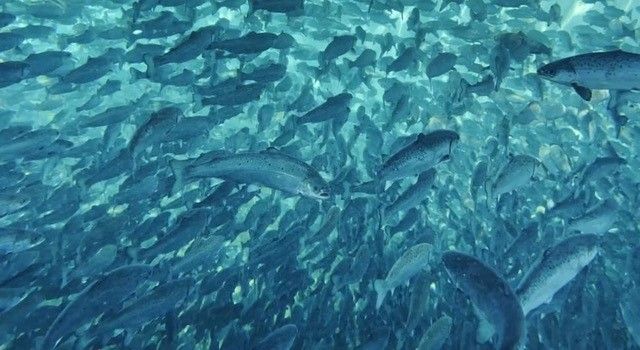
But for how much longer? As let's face it, insurers, like bookies, hate being (and rarely are) on the losing side - which then begs the question of what would happen if the salmon industry rendered itself uninsurable ?
So what do we do? Do we stop farming? Do we stop the world from eating salmon...?
NO - and anyone who thinks they can is clearly delusional.....so here's the solution.
"I've personally witnessed the damage to our oceans that open net salmon farms have caused in the U.S., Canada, Chile, Scotland and Norway. They are also producing a toxic product that should never be eaten by humans or even our pets. We already know that there are better ways to farm, but will we have the imagination and courage to do the right thing for our planet ?" Yvon Chouinard (Founder & Owner, Patagonia Inc)
And the sage of Patagonia is right - there are better ways to farm and what he's referring to is sustainable land based aquaculture, where the results are increasingly very encouraging.
For the last 3 years, I've been immersed in the story & world of land based salmon (and Arctic char) farming in Iceland, really from the start of construction to now the reality of production. Has it been plain sailing? No, but the future does look increasingly bright and Iceland's surge into the arena, with hybrid flowthrough systems, looks game-changing. Early last year I attended a meeting for Iceland's land based farmers in London hosted by the CEO of one of the biggest fish distributors in the UK. His opening gambit was that;
“it’s probably the most important development in seafood production in the last 25 years”
Certainly a bold statement... but I think he's right.
I have also engaged with other farms in Norway and have yet to meet anyone, on this side of the industry, who is not concerned about the state of salmon farming and they are all committed to making a difference. It's a collective ethos of rearing fish in a controlled environment, in optimum conditions and away from affecting any other species. Indeed in Iceland I can also see a migration of key employees from conventional to land based operations
Let's look at the detail.
Mortality - Mortality rates are dramatically lower in land based operations - I'd be lying if I said that there hadn't been some issues but generally it's fractional in comparison. Last year a Norwegian land based operator detected amoebic gill disease (AGD) in a couple of tanks but, as the tanks are separate biospheres, this was quickly remedied. This year in Canada an operation had mechanical filter breakdown and the loss of fish put the business into receivership, and Atlantic Sapphire in Miami haven't found it easy over their pioneering years.
Budgeted mortality rates, for land based, are generally set between 5-10% but the reality is between 2-5%. Last year, Scotland's mortality rate in ONPs was just short of 25% (17 million fish) - on figures volunteered by the industry itself. (Incidentally, the aforementioned insurers sound much keener on land based projects as they are far more predictable, with much lower mortality rates and viewed as much safer bets...)
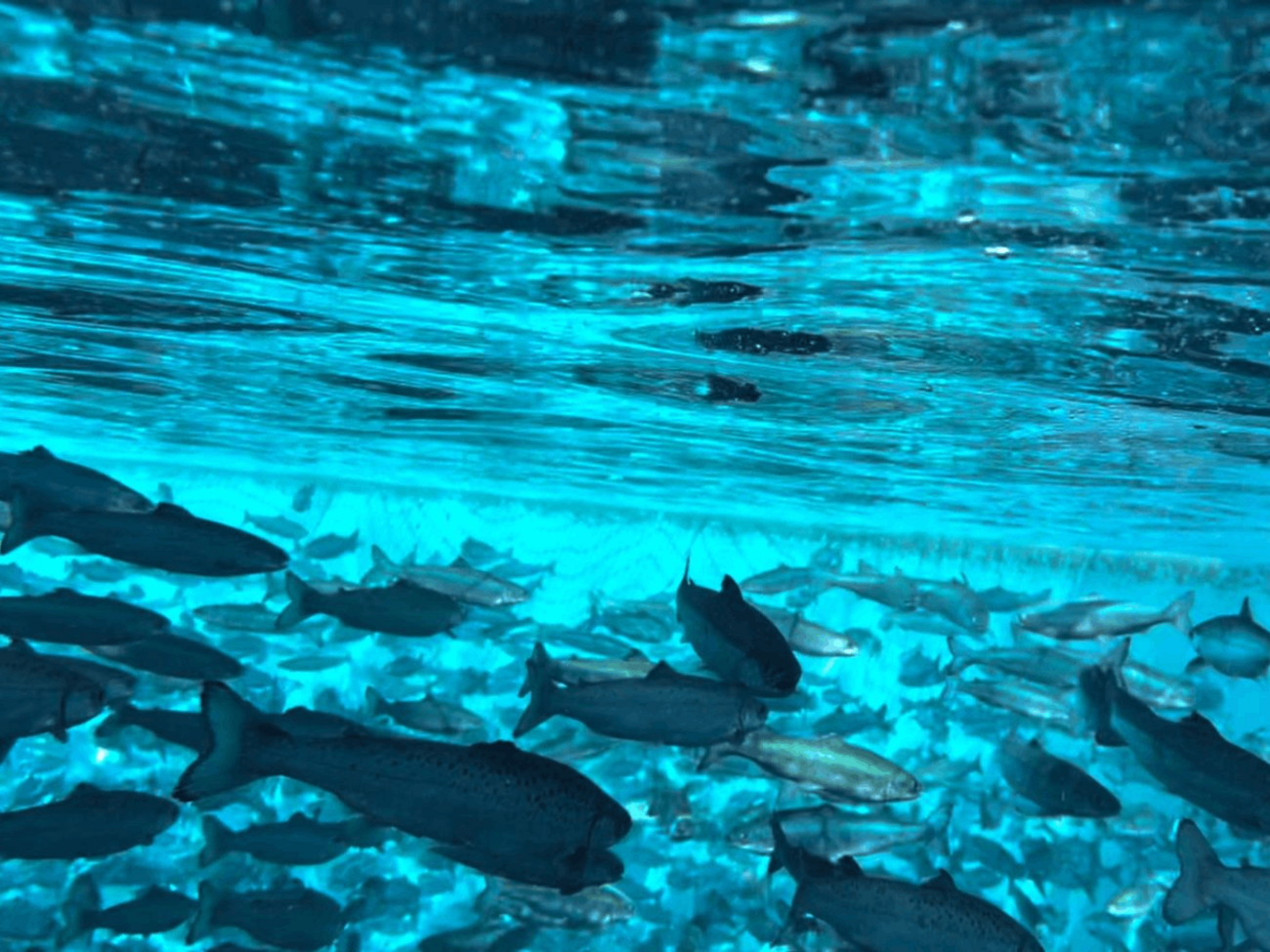
Antibiotics & Hormone Treatment - So far in Iceland, there's been no need for antibiotics as the combination of natural lava filtration and UV water screening have (thus far) eradicated any instance of pathogens found in the system. No hormone treatment is required because the fish are triploid. In Norway, they've developed a freshwater treatment for AGD and doubled their UV water screening to prevent a recurrence.
Sea Lice & Pesticides - Being closed operations, no sea lice can enter the system, so no pesticides or cleaner wrasse or stressful freshwater jetting is required
Pollution - Both in Norway and Iceland (and everywhere else in the world where there is a land based operation) all of the detritus is sucked out of the bottom of the tanks, drum filtered and either used for compost or biogas production
Escapees - Impossible
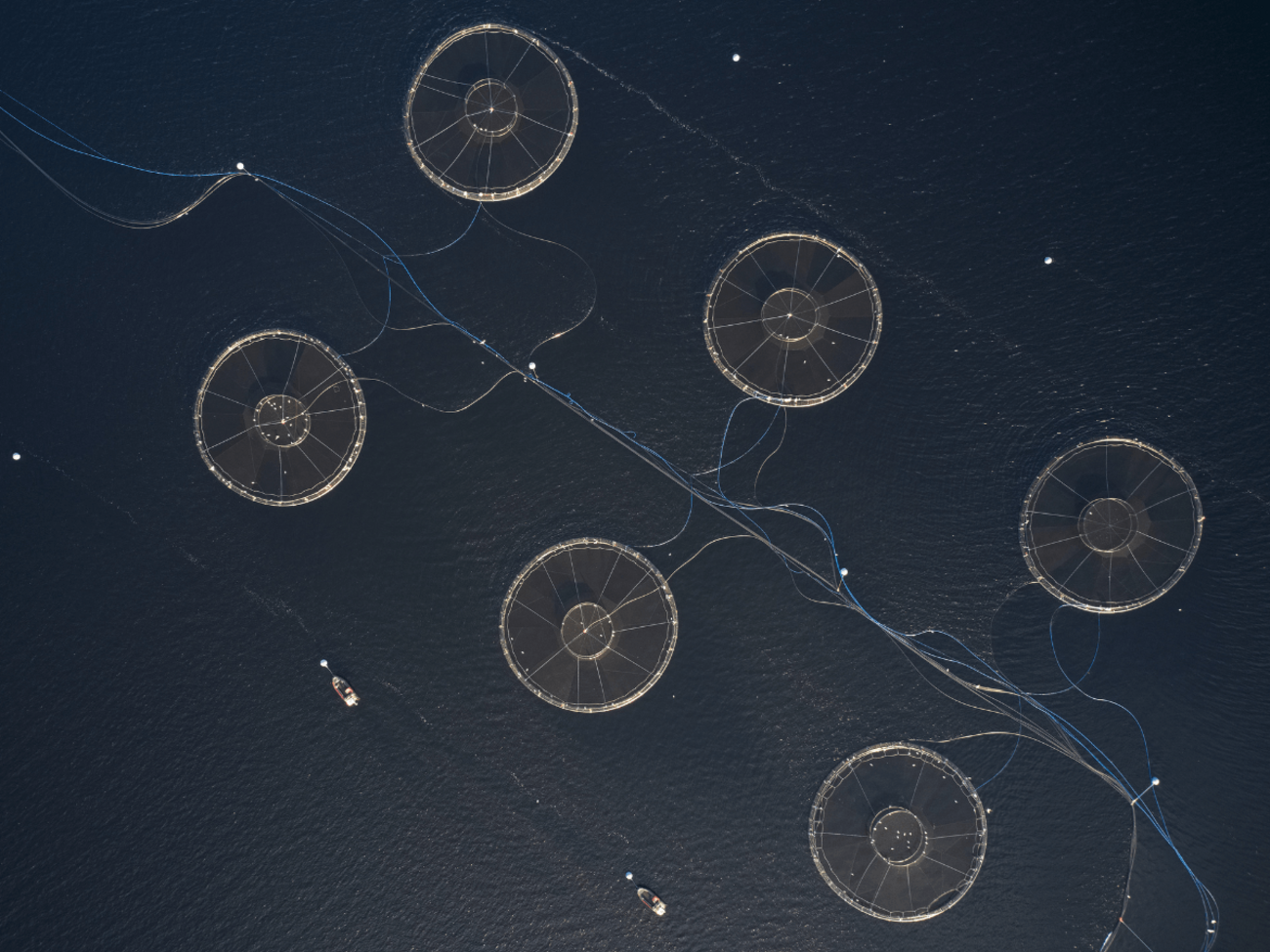
Energy - Both in Iceland & Norway their electricity is from 100% renewable sources
All of the above are very difficult (in some cases impossible) to control in open net pens, and we haven't even mentioned the effect on migratory fish, other species and the environment...
And so to that thorny issue which vexes us all...
Feed and "why kill wild fish to feed farmed fish?" - First & foremost, I do not condone this at all, but I'm also a realist. The Arctic char farm in Iceland we represent has issued me with an important feed declaration stating that over 90% of the fish oil & protein in their feed is derived as a by-product of the white fishing industry, and Chouinard (the sage of Patagonia Inc) has far more than just a passing interest in producing feed with sawfly. We've also been engaged with an operation that has developed their own feed with algae (as a source of omega 3) with an apparent astonishing conversion rate of 1.05:1.
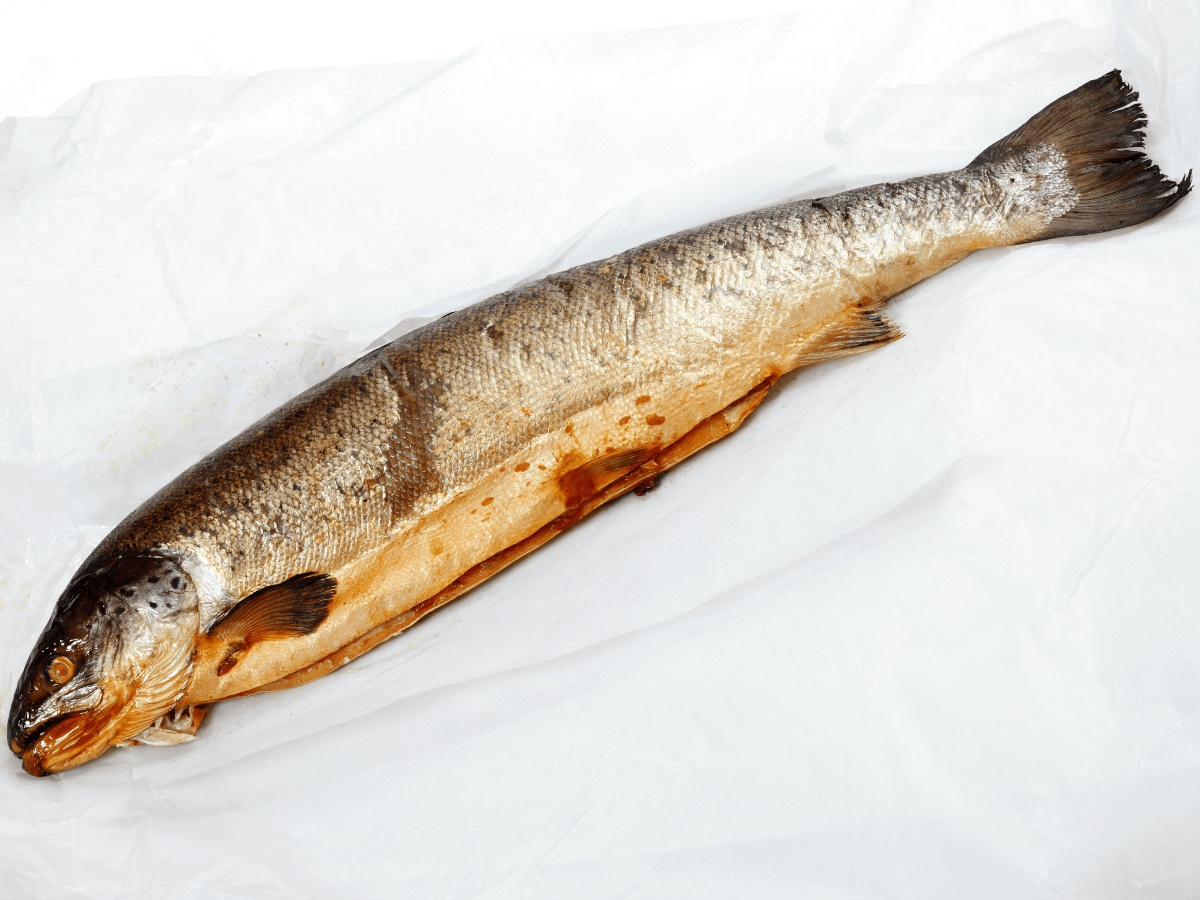
This is all very good news - and the pressure is right on the giant feed manufacturers to conform and make the transition, but (unfortunately) transition takes time.
And here's the thing - some people would have you believe that salmon farmers are the only ones to use feed derived from wild forage fish (caught in industrial quantities) but this is obviously completely untrue. Fish oil & protein are used in many diverse applications and in feed for many other farmed species - trout, sea bass, halibut, sea bream, catfish, prawns - to name just a few.
It's also used by the poultry industry and in pig feed (as per the current dispute between the UK and Denmark with regards to sand eels). We can also find it in every health shop and chemist as a human health supplement, so trying to just pin it on salmon farmers is somewhat churlish, narrow-minded and it's far more complicated than that.
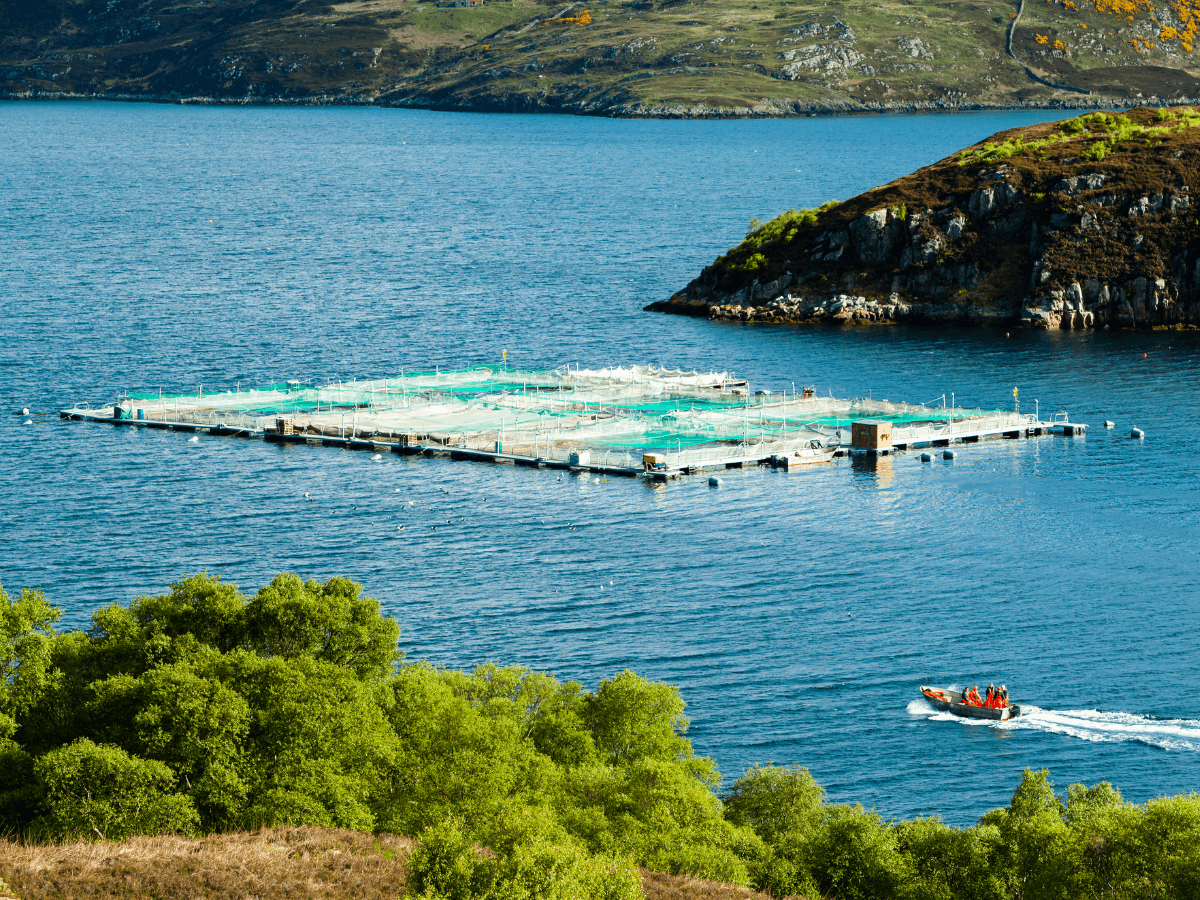
The key is keeping the pressure up - from all angles - on the feed companies and to push them hard to wean themselves off the industrially harvested wild fish as quickly as possible and, like the recent article below, it's absolutely vital for countries in places like West Africa to turn the tap off at the source.
05/06/24 - SENEGAL PROPOSES REVIEW OF INTERNATIONAL FISHERIES AGREEMENTS, THREATENING FUTURE OF EU ACCESS DEAL
Last year, I was privileged to be mentioned in an article on salmon written by Prue Leith in The Spectator. Prue & I have 3 things very much in common - we are both avid fishers, we are both immersed in the world of food (albeit she's obviously a country mile ahead of me) and we are both advocates of sustainability (she sits as the vice president of the Sustainable Restaurants Association).
Her take on farming (including salmon) was extremely interesting to hear. In a world where the population is set to keep (rapidly) rising and with the demand for cheap sources of (sustainably produced) protein increasing with it, it's imperative that arable & livestock farming continue, but farming practices can and should always get better. Stop farming and people die...
And you know what? Prue Leith & Yvon Chouinard are both right
20/06/24 - CANADA PUSHES BACK BC SALMON FARM TRANSITION; OPEN NET PENS TO BE BANNED FROM 2029
06/06/24 - PURE SALMON GETS $211 MILLION IN FINANCING FOR LAND BASED SALMON RAS
04/06/24 - LARGEST LAND BASED SALMON FARM IN ASIA LAND $210 MILLION IN FINANCING
03/06/24 - PROXIMAR'S JAPAN BASED SALMON RAS HARVEST STILL ON TRACK
30/05/24 - PURE SALMON, NORDIC AQUAFARMS MOVING FORWARD WITH US LAND BASED RAS FARMS
23/05/24 - ANDFJORD SALMON PLANS SHARE OFFER AFTER RAISING NOK 350 MILLION
13/05/24 - ALGAE OIL PRODUCER ACHIEVED 50% VOLUME INCREASE AS DEMAND FOR OMEGA 3 RISES
13/05/24 - GLOBAL FISHMEAL PRODUCTION FOR Q1 SHOWS 27% YEAR ON YEAR DECLINE
13/05/24 - CHINA'S FIRST LAND BASED FARMER SCORES 99% SUPERIOR GRADE IN FIRST COMMERCIAL HARVEST
07/05/24 - "WE ARE ONLY AT THE START OF OUR JOURNEY" LAND BASED PRODUCER SALMON EVOLUTION IN Q1 PROFIT
Buy guilt-free salmon here, at Silverscale.