Conservationists Urge Improved Communication on Predator Control
Discussing predator control on public forums can invite criticism and some less-than-sound comments. Conservation scientists recognize this issue and call for more public discourse and urge a rethink of how we talk about predator management.

When I talk about wildlife conservation and its most pressing priorities in Ireland and the UK, it is impossible not to talk about the decline of ground-nesting birds, especially wader species, like curlew, lapwing or redshank to name just a few. Their populations have been in rapid decline for the past few decades, mainly due to habitat loss. Of course, the term habitat loss is an umbrella term that encompasses several factors. They range from physical loss of the places suitable for nesting to a plethora of changes in the ecosystem that make the remaining habitat inhospitable.
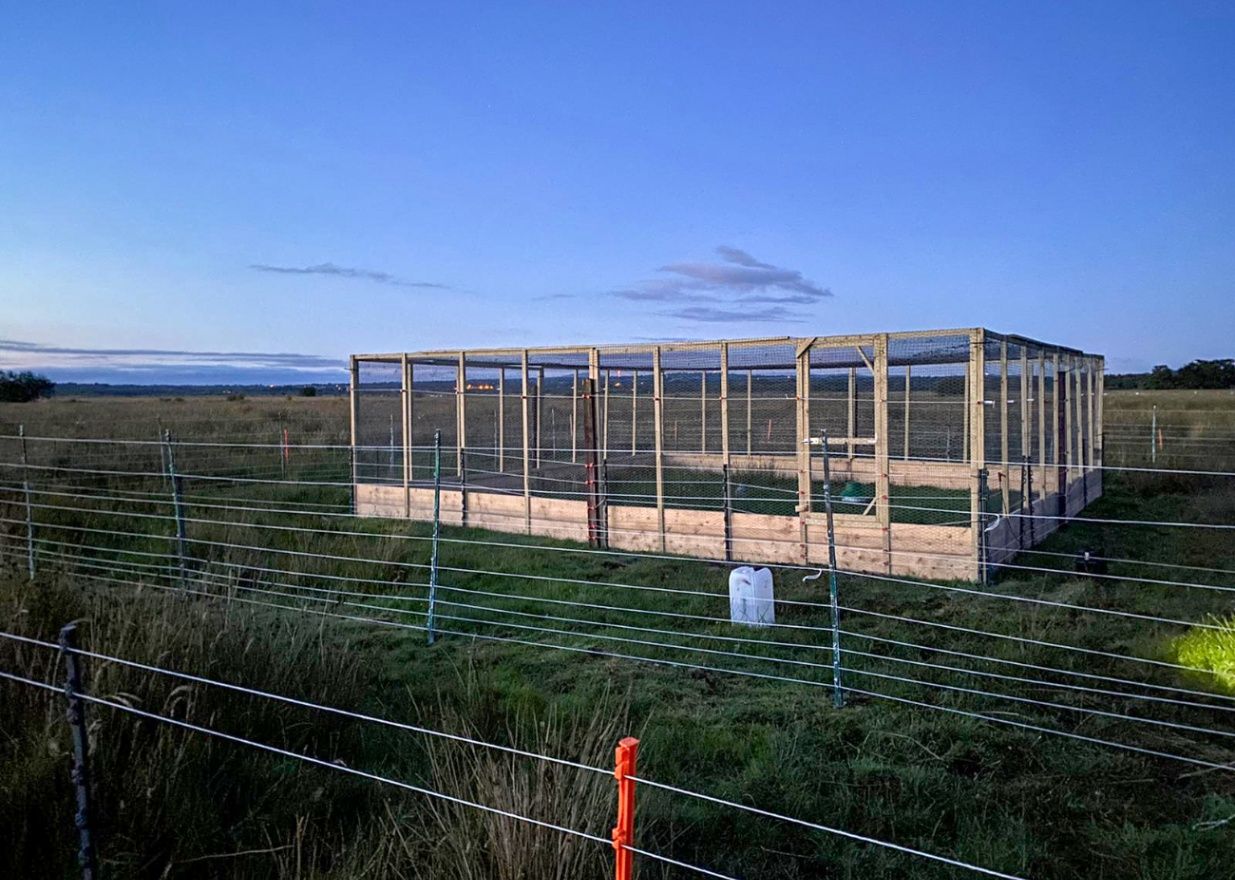
To help these birds fledge their young, conservationists apply a wide range of measures. Predator control is one of them. Unfortunately, the subject of suppressing predation on nesting sites is so emotive that it seems to be blurring the clarity of vision even for some veteran conservationists.
Why the need for predator control?
Of course, wader species were successfully breeding for thousands of years, with generalist predators present on the landscape. This argument is often made by the people who oppose lethal predator control. They are right. The ecosystems however were quite different to the ones we have at the moment. Relatively recent intensification of grassland management and the move away from hay meadows have proven to be especially problematic for nesting waders. Another big change was the proliferation of forestry plantations. Add a few more to the mix like an abundance of supplementary feed sources for generalist predators and a lack of top-down mesopredator suppression, and you have a perfect storm for ground-nesting birds.

Conservation scientists and on-site conservationists agree that in the current climate, we need to employ all available measures to prevent the loss of these birds from the landscape in less than a decade. Furthermore, collaboration with farmers and landowners is critical for their implementation. For example, the timing of agricultural operations or the creation of buffer zones are of vital importance. Also, more direct interventions like fencing with predator-proof fences on a large scale (fields), as well as on a micro-scale (individual nests), have a positive impact on minimising nest disturbances. And, last but not least, predator control.
The scientific evidence
As I attend conferences and speak with scientists while recording my podcast episodes, I hear a lot about the issue of predator control. The rate of decline of ground-nesting birds has sparked a sense of urgency for action. Such declines also mean that a significant amount of effort goes into the research to understand the ecology of wading birds. There is no shortage of peer-reviewed science to prove that suppression of predation is one of the critical activities to ensure ground-nesting birds’ breeding success. The excellent “European bird declines: Do we need to rethink approaches to the management of abundant generalist predators?” by McMahon et al. or “A review of predation as a limiting factor for bird populations in mesopredator-rich landscapes: a case study of the UK” by Roos et al. come to mind.
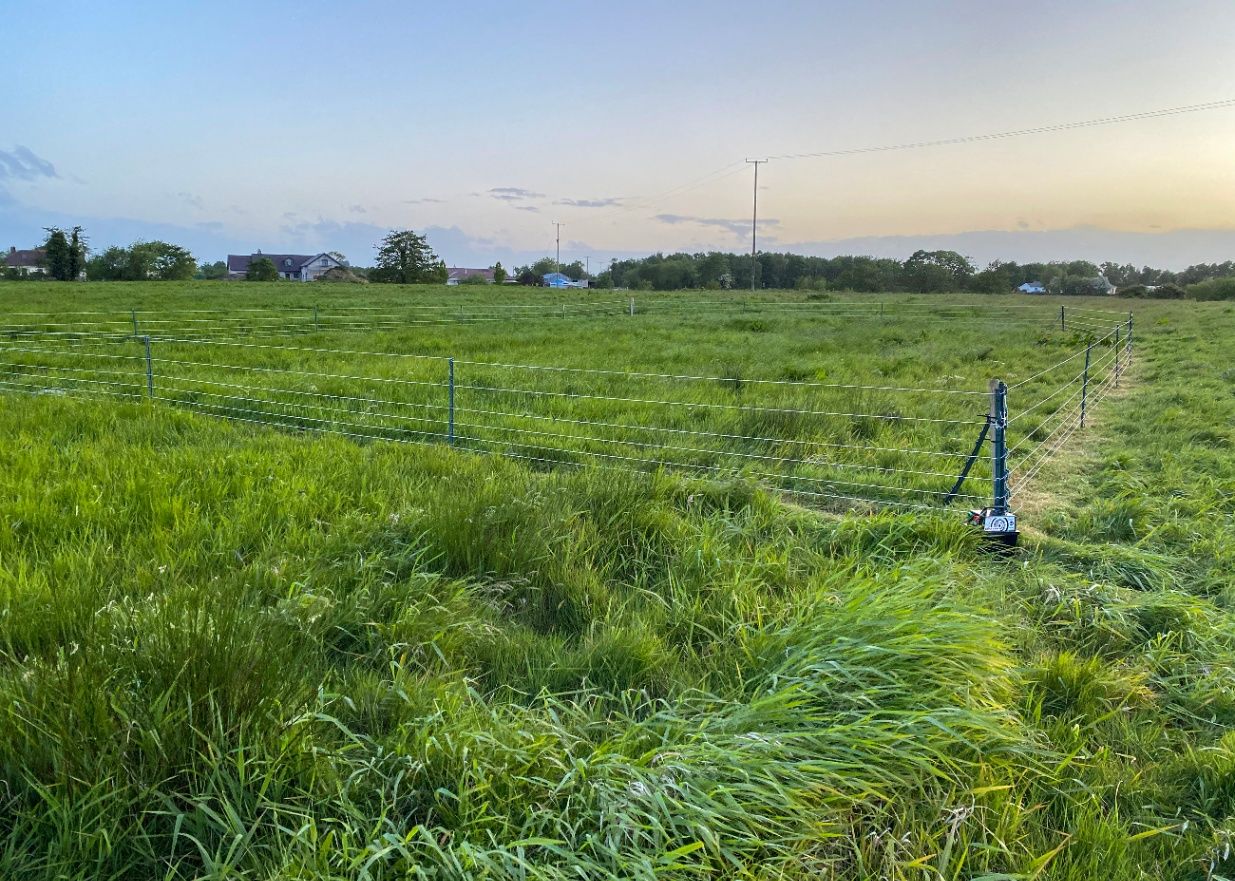
People involved in wader conservation do not doubt the need for, and importance of, predator control. While some are open or even boasting about their actions, others are aware of the potential for controversy resulting in negative effects on their work down the line. Even the scientific community, usually happy to talk about the evidence, on occasion, shows reluctance to talk about predator control — especially when uncertain about whether they are talking to people with a sufficient understanding of the subject.
The PR problem with predator control
Increasingly scientists and conservation professionals are opting to use different terms for predator control like nest protection or promoting the ecosystem’s natural balance. To an extent, I agree with this approach. Communication on potentially emotive subjects needs to be careful and the choice of words deliberate, not casual. The alternative terms focus attention on the intentions and results rather than on actions. The killing of animals in the context of conservation could be difficult to understand for the casual audience, who are usually insufficiently informed about the actual state of play and often are emotionally agitated by the precarious state of nature.
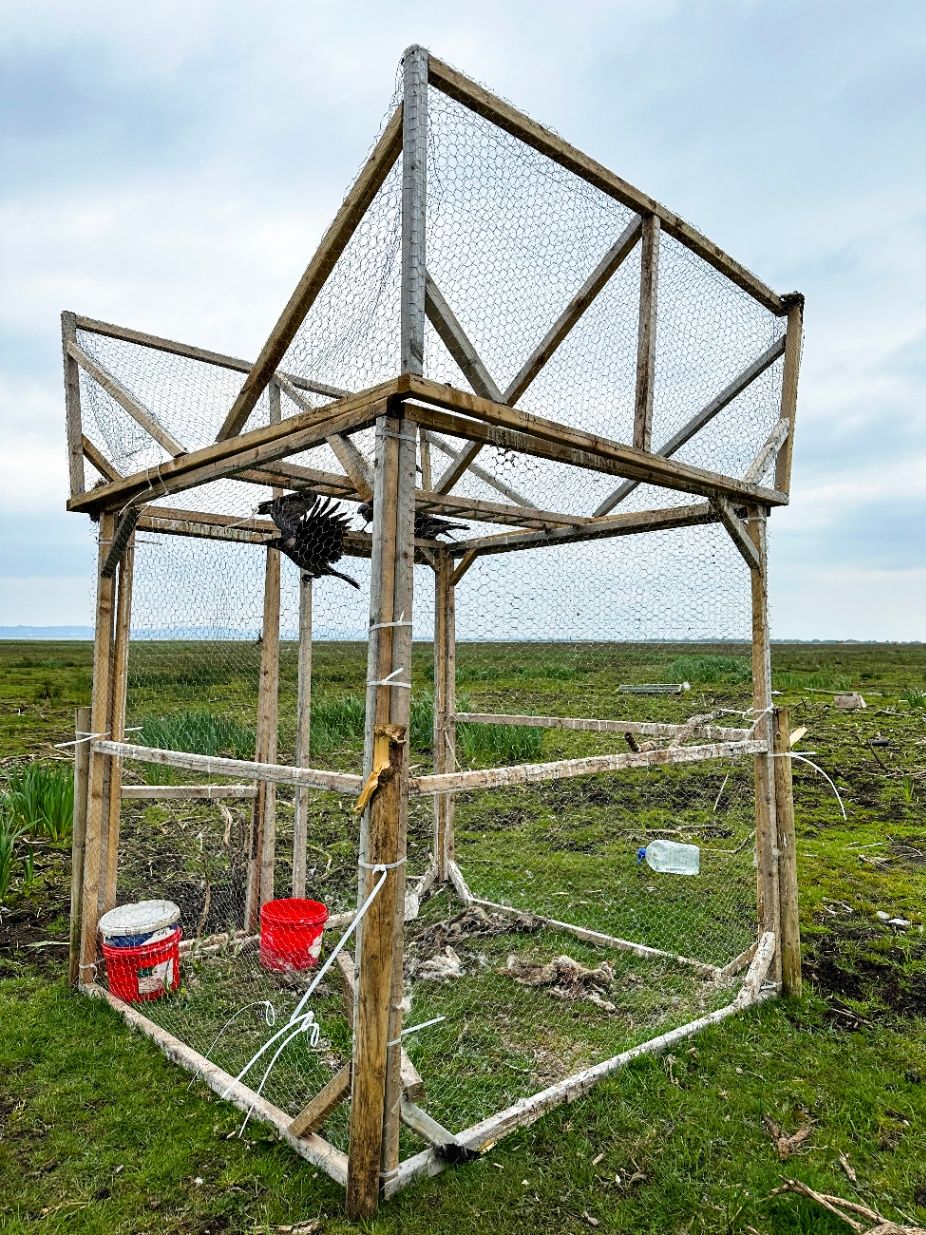
There is a growing recognition that laypeople need to understand and support, or at the very least, not oppose the practice of predator control. Particularly in the world where members of the public interface with decision-makers through social media. Emotional arguments always win with logic and evidence. We might not like it but it’s basic neuroscience! Nowadays, I hear more frequent calls, particularly from the scientific community, for public, or at least community-wide, discourse on the subject of predator control. The intention is to make society more educated and comfortable with the practices necessary to ensure that curlew and lapwing will still be with us in the decades to come.
Surely you know better!
And that brings me to the final point that is especially disappointing to me. Some naturalists, despite their proven record of excellent conservation work, are quick to overlook the realities of ground-nesting bird conservation. Their only aim is to prioritise moral posturing. Almost without exception though, those individuals are not involved in nesting waders conservation in any practical way. It bothers me that despite their capacity to understand the situation they choose to be wilfully blind in favour of scoring publicity points from their social media audiences.

Nobody in the know would insist that predator control is the be-all and end-all of ground-nesting bird conservation. It is clear as day that it’s a temporary break-glass solution that is intended to buy time to address the underlying problems with habitat. Therefore, the boots-on-the-ground conservationists must rethink how they communicate about predator control. For example, what they post on social media or how they respond to questions and comments. At times, their actions might be as damaging to conservation as the actions of those who raise a public outcry about lethal predator control.
Deep Dive on Predator Control
If you’re interested in a deeper dive into the topic of predator control, I invite you to listen to my chat with Barry McMahon, an Associate Professor of Wildlife Conservation and Zoonotic Epidemiology at the University College Dublin and Lecturer at the UCD School of Agriculture and Food Science.
And if you want to explore more episodes of my podcast, where I talk about biodiversity, conservation, hunting and fishing, rewilding and more. Go and check it out at this link or find Tommy’s Outdoors: Conservation and Science podcast on your favourite platform, including YouTube.
Photos courtesy of Kendrew Colhoun, KRC Ecological Ltd.