Creating Memories: 35 Years of Hosting School Visits
The pleasures of showing children where their food comes from.


Thirty-five years of hosting schools on our farm.
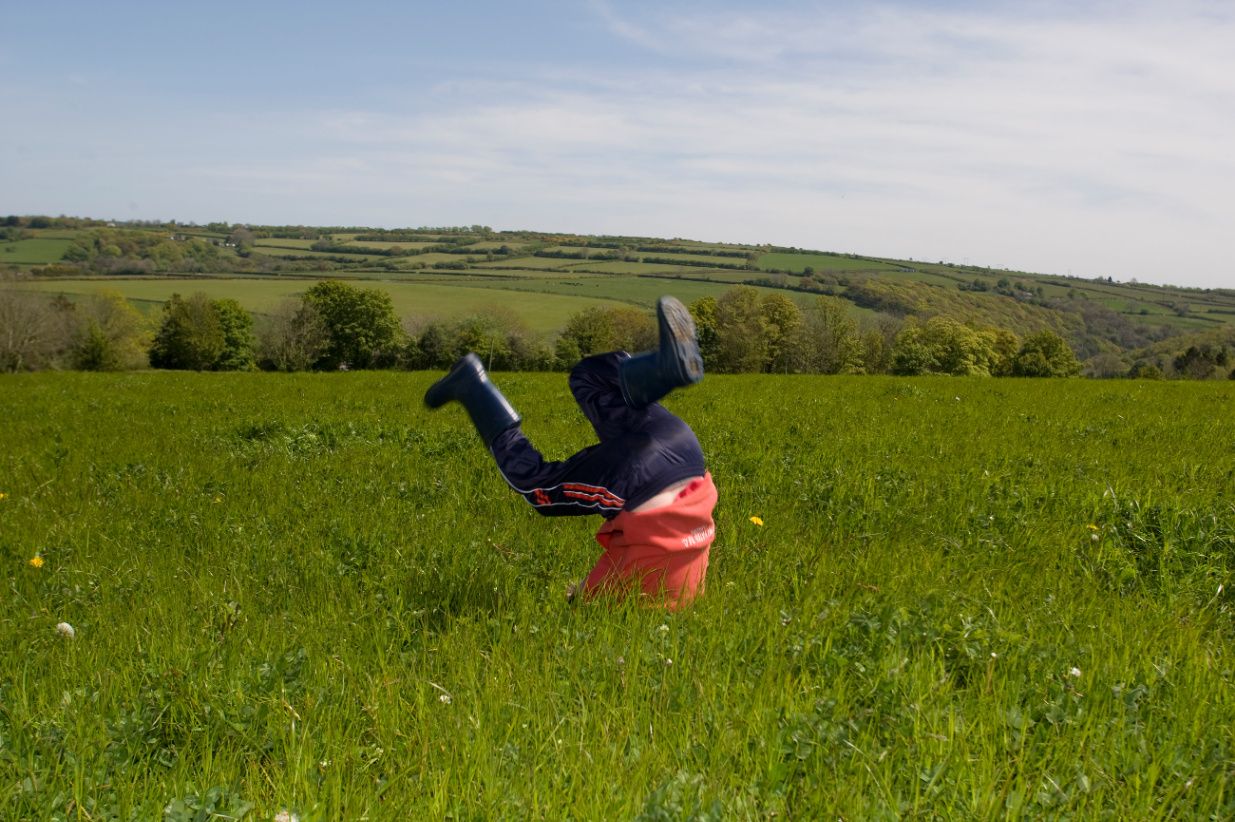
Reading Abby Allen's article, 'From Farm to Table' has prompted us to respond with our experience of hosting school visits. It all started when our boys were at the local primary school and we took ewes and lambs up to the school yard for the children to see. We then suggested to the headteacher that a visit to the farm would be an interesting experience for the pupils. She jumped at the opportunity. Our farm is close to the school and so the children were able to walk down through the fields, thereby saving the cost of transport. We are also fortunate that our farm is picture-postcard pretty, and as a traditional mixed farm, has a variety of enterprises and we enjoy sharing what we do.
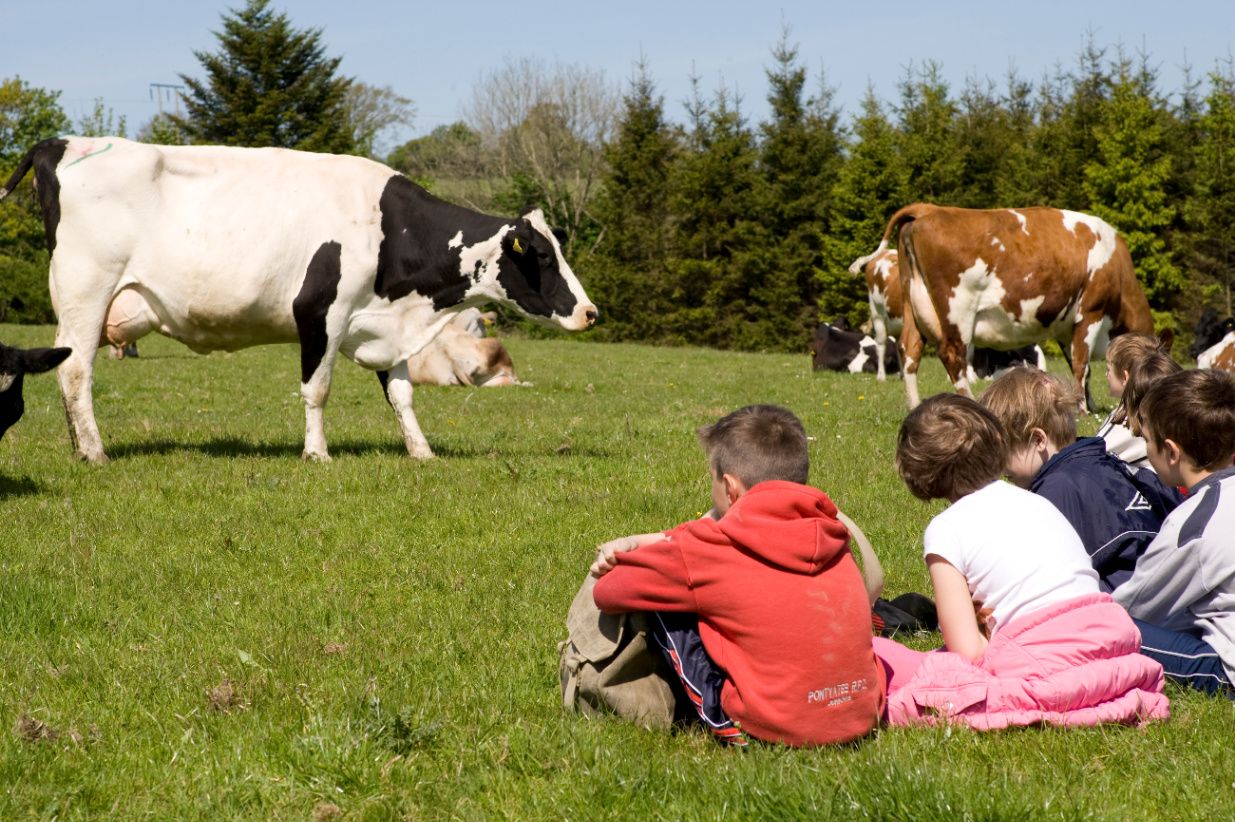
Later, we had schools from further afield, and all visits, whether by the local school, or by those 'from off' started with a walk through the fields. This allowed the children to let off steam after their bus journeys and gave the teachers a chance to talk with us as we made our way to the main farmyard. Every visit allowed the children to get close to a cow; we had an obliging 'pet' cow, even when she was out grazing, and in addition to explaining where milk came from, complete with a sample taken in situ with a handy cup, there was the no-holds-barred story of how burgers originate. The highlight of visiting the cows was getting the whole group of children to sit down in the grass and keep very still and quiet, and without fail, the cows, being the curious creatures they are, came over to investigate. For a child who had only seen cows in picture books or on television, to have a cow come and sniff at their hat was a thrill and one they would certainly remember. Another part of the day the children always loved was having their packed-lunches sitting on bales in a shed or on the yard in good weather and asking questions about the tractors and machinery which were to be seen around the place. Small boys love being allowed to climb into a tractor cab.
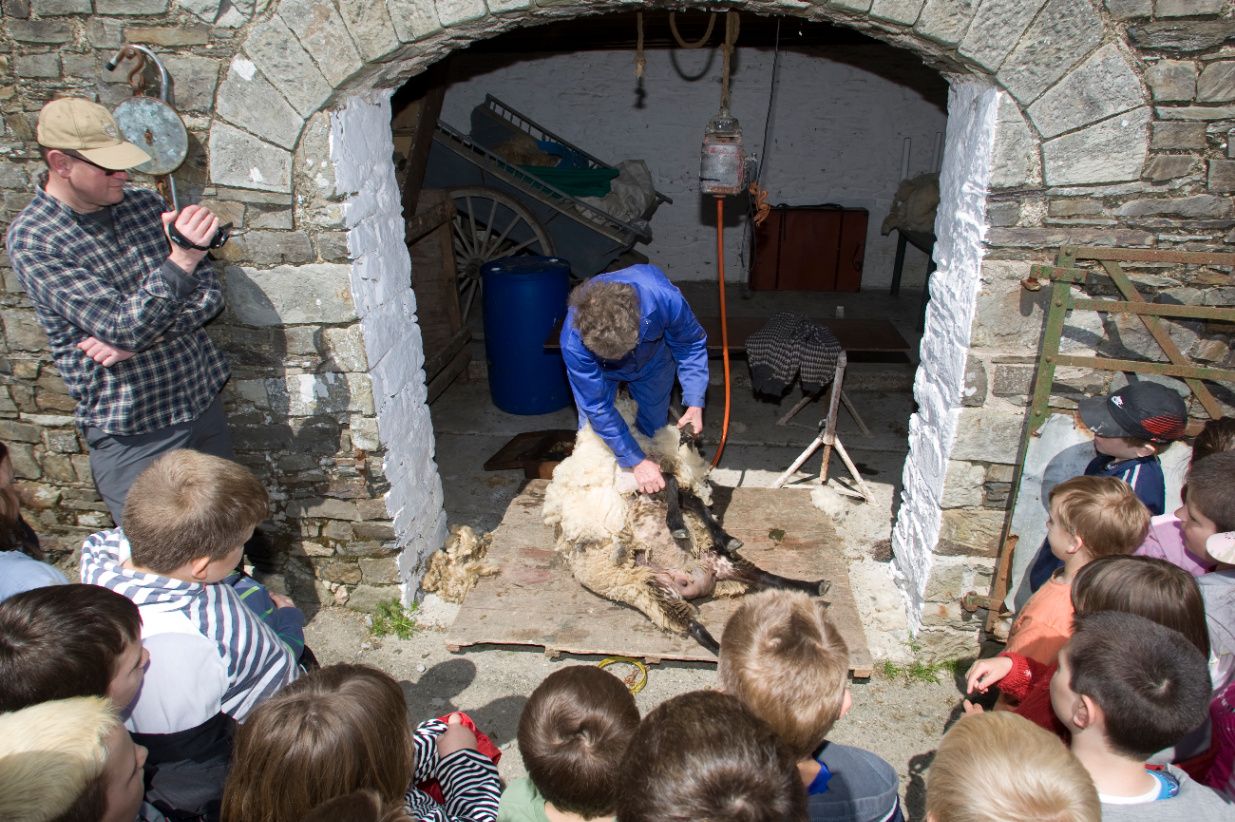
Though every child could not experience everything, some particular occasions come to mind, seeing a calf being born and a hen laying an egg in my hand (certainly unplanned!) and cuddling lambs or watching our sheepdog do her stuff. One particular favourite moment was asking the group how large they thought a mole was? Responses tended to be 'about as big as a dog or sheep', then I would produce one from my pocket (frozen!) and pretend it was resting (like the Norwegian Blue Parrot). The children (and the teachers!) were always amazed at how small a mole is and how soft its velvet jacket.
Other visits we hosted were for older children who were 'educationally challenged' ('naughty' to you & me) who were brought to the farm from Cardiff. There were never more than six of them with two teachers and an assistant. Each one of these visits started with a ramble, actually, bit of an understatement, more of a yomp encompassing steep gradients and dense undergrowth. It was shocking how unfit they were but they did it. With fewer pupils we were able to do a greater variety of activities; cutting down a tree with an axe or a two-man cross-cut saw, cook sausages on an open fire, shooting (under BASC supervision), sheep-shearing, picking apples, juicing them and drinking the fresh juice. On one occasion, each child made a wooden bread-board and pyrographied a name on it. Most of them put 'To Mum' or 'Dad', but one girl dedicated hers to the headmaster...there must have been a story behind that.
There must be some pitfalls? Yes, the weather can make a big difference and criticism from fellow farmers about health and safety. We had gone through all the correct risk assessment protocols and had all the paperwork, bio-security procedures and insurance in place, of course. Our ability to have schools visit us and other interested groups such, as U3A and home-education families, was greatly helped by the Countryside Alliance Foundation through Rachel Evans, the Director of CA Wales, The Soil Association and Learning on the Farm with the late Nick Rebbeck. We never had, or expected, any funding. The big dilemma we see, is finding suitable farms for such visits. As farms become bigger and more specialised, the room for educational visits becomes limited.
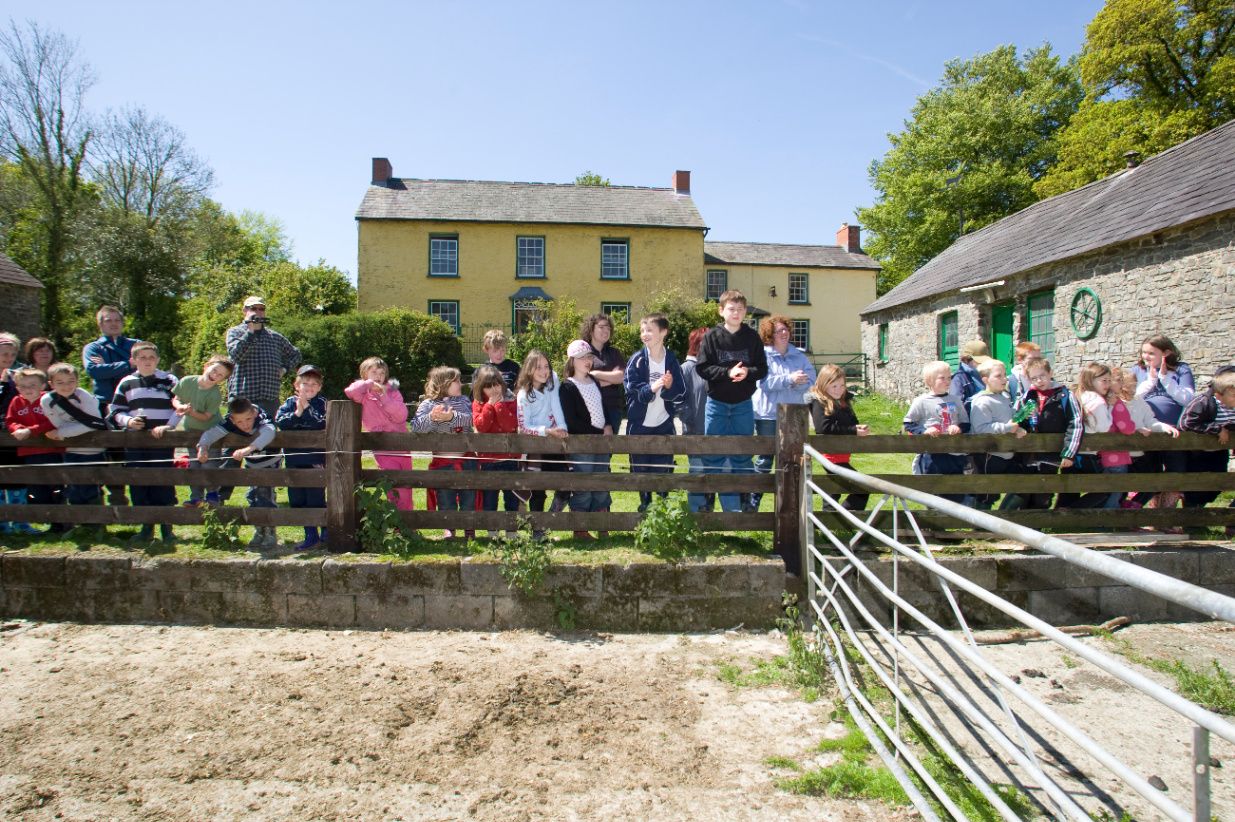
One of the key factors in the success of school visits is one's own enthusiasm and putting across an interesting story rather than just listing basic facts. As well as hosting groups from schools, we have also had parties of home-educated children. Interestingly, this latter group has often been the most articulate and asked the most questions. Something that often shocked us was how ill-informed some of the teachers were about food production.
The number of years over which we hosted visits was emphasised by one boy telling us that his dad had visited us when he was at the local school! If nothing else, we have created memories for several hundred children. If we had our time again would we do it again, yes, most certainly.