Discovering Joy in Downsizing: A Family Farm Legacy
The importance of family farms and the ups and downs of leaving ours.
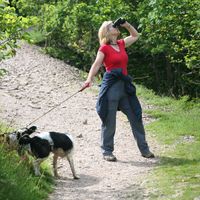

Two years have passed since we – (husband, self and two dogs) upped sticks to downsize from the 17th century farmhouse and surrounding land in which I was born, grew up and returned to in middle age in order to care for my ageing mother.
Ups and downs of downsizing
Given the inheritance tax bombshell, there are likely to be those compelled to downsize against their will - thankfully for us, with neither of our children nor those of my sister and only sibling, wishing to inherit the family farm (had this been the case we would have moved heaven and earth to enable them), it was a conscious if poignant choice - given the current state of play, perhaps just as well!
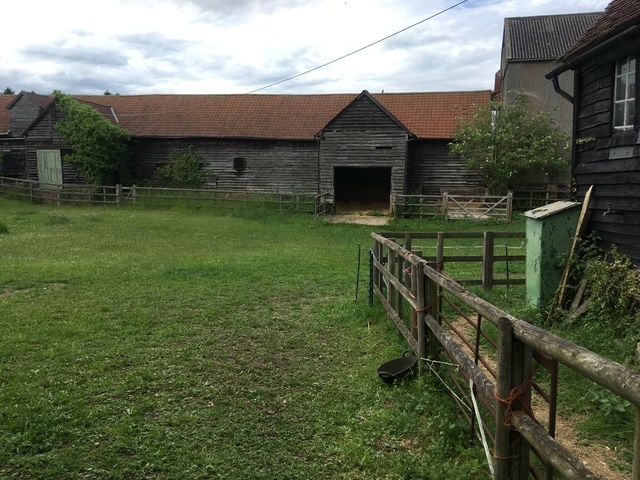
It has been a huge emotional wrench and there is much I miss - the place, wherever I have been I regarded as my true ‘home’ with so many memories of family gatherings, wedding celebrations, being able to walk straight from the back door onto our own cherished farmland, the pond where, as a child, I used to net minnows and watch water voles (long since sacrificed to mink), the listed barn where we loved to host the local hunt, the ability to pop from kitchen to yard to give vegetable peelings to my horses and the anticipation of shining my torch at night onto our acre of ‘nature friendly’ i.e. somewhat overgrown and untamed garden, to see what eyes might be shining back. BUT - do I regret it? - not for a second!
Farming memories
Following the death of our father, my sister stepped in to farm our land - I remained a partner, helping out whenever I could. Following our mother’s death, I relinquished my share of the business to enable me and my husband to take full ownership of the farmhouse and paddocks, nonetheless I still loved spending time on the farm, voluntarily assisting in any way I could.
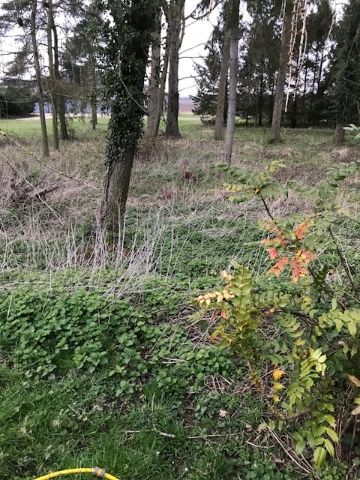
Hedgerows were replaced, having reluctantly been torn out in the 1970s when the then EEC encouraged ever bigger fields to increase production. We installed new woodland on poorly drained areas and converted part of the farm to an organic system - with many backbreaking hours spent hoeing thistles. An ancient meadow was returned to its former glory, having previously been ploughed in and used for growing rather lacklustre and blackgrass ridden grain.
Local volunteers helped clear a stagnant pond of debris and unblocked the feeder spring enabling it to fill with fresh water once again. Permitted access pathways were established for local walkers – who proved diligent in reporting any suspicious activities from potential poachers, hare coursers and the like.
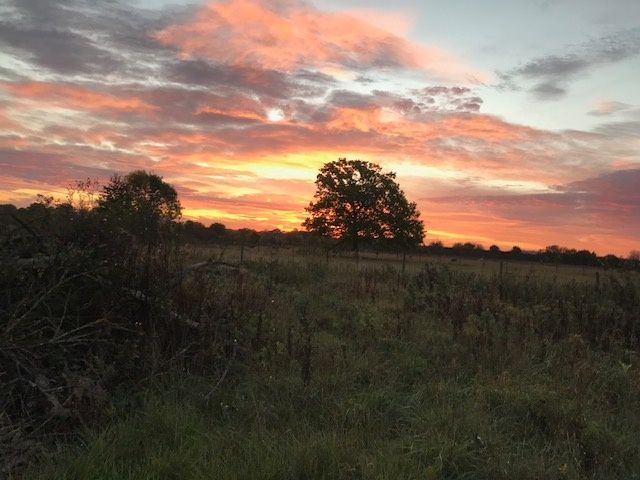
It was a wonderful, exhausting, exhilarating time, but inevitably far from immune to the stresses that farming brings. The 280 acres or so, part owned, part tenanted from relatives, could never have made a decent living without major capital investment which we simply did not possess. Additional income from outside employment, coupled with invaluable help from FWAG in obtaining every conservation and public access grant available was essential in making ends meet.
The rewards however were legion - largely stemming from an intimate, deep and genuine love of the land where we grew up and a desire to make it even better – is this perhaps the strongest value of family farming?
The satisfaction from successfully cutting back inputs to produce top quality oats, barley, beans and milling wheat, whilst also observing the improvements in landscape, soil structure and biodiversity was palpable.
Eventually however, with my sister entering her eighties, she made the difficult decision to sell the remaining land and relinquish the tenancies. I and my husband remained in the farmhouse for a couple more years but by the 2020s, in our eighth decade ourselves, we were rattling around like the last two biscuits in a tin - it was time to go whilst still physically able to crack on with the truly mammoth task this entailed.
It took us several months to empty house, barns, stables, garden sheds etc. of the accumulation of over 70 years occupation by my immediate family, plus over 120 years of extended family ownership.
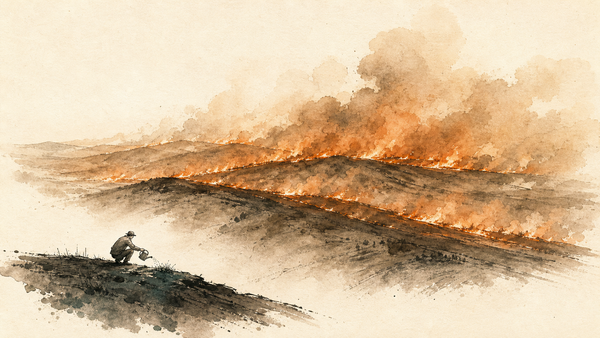
New homes and substantial bonfires accounted for ancient tools, old gates, drain pipes, tiles, rat traps, sheep hurdles, pheasant pens, faded ledgers, feed and fertiliser sacks etc, etc. stored in dusty corners. Barns were swept and excess furniture divided up between family members and local auctions.
Finding a buyer for our house and seemingly inevitable problems with the chain attached to our intended purchase gave us precious time to undertake the task, but not without a great deal of stress. We certainly learnt to appreciate the value of a good estate agent – without his knowledge and assistance I fear I might have jumped ship screaming to South America!

A new start
Fortunately, the angst has proved worthwhile - our new home is modern, cosy and full of light with a spectacular view over the valley beyond our manageably sized garden. One tank of heating oil lasts almost a year - in our old home we were lucky to eke out two months. We also have the advantage of our local market town being less than three miles away – near enough for the local Indian takeaway to deliver direct to our door, yet far enough to lose ourselves in the surrounding countryside.
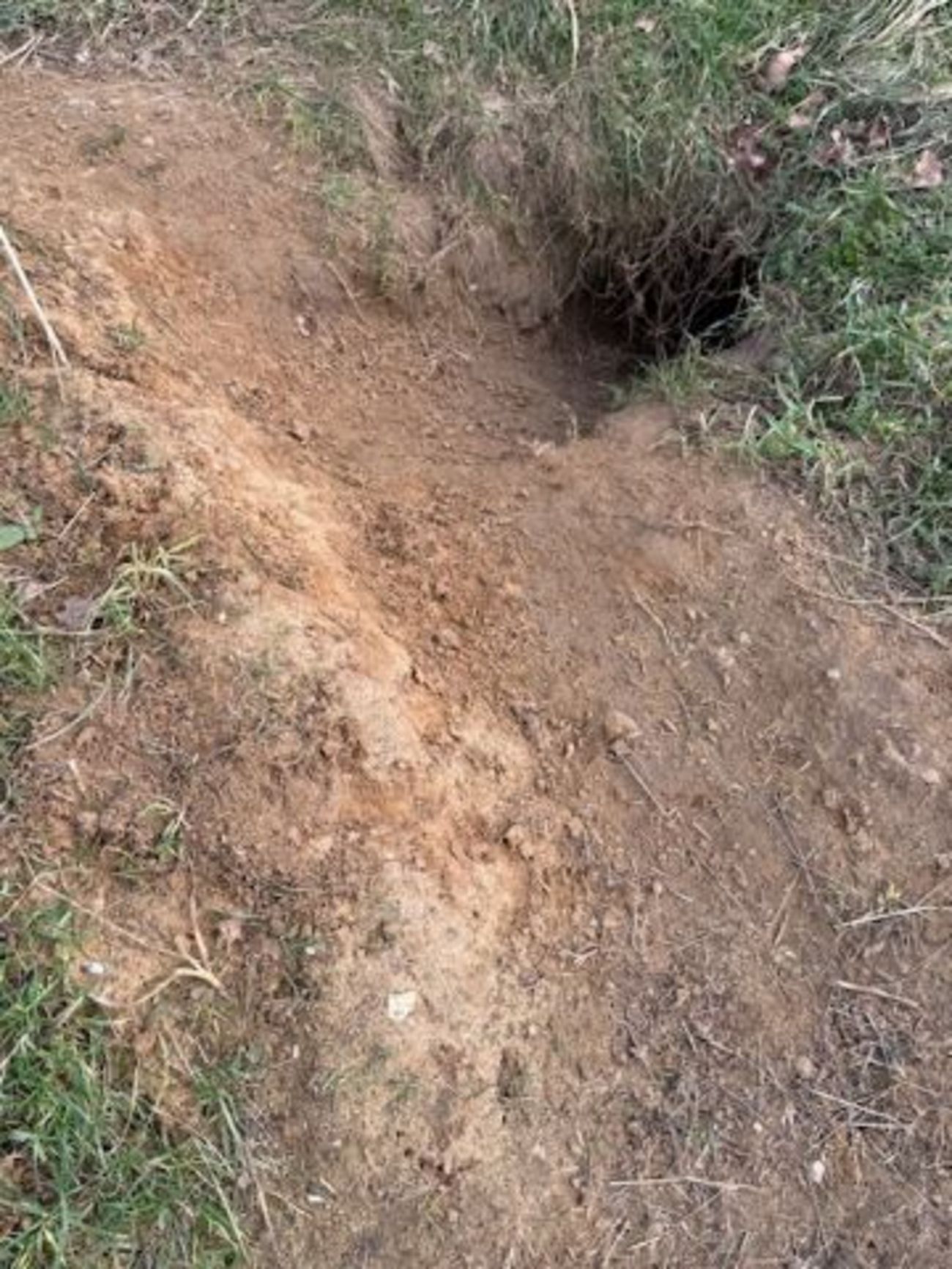
Given we are only four miles from our old village, it is extraordinary to observe how the landscape and the soil surrounding our new village differs. I find it fascinating to note how quickly sodden ground here begins to drain and dry. Although still fertile East Anglian clay, the land is definitely lighter in texture, clearly illustrated by the excavations surrounding a local badger set appearing to be pure sand. Childhood memories of crying with the effort of lifting my feet due to the weight of the mud stuck on the bottom of my boots are firmly in the past - except when I return to our old village to lead my elderly mare, kindly stabled by an ex neighbour, across her poached and deeply welly sucking paddock.
Family land is land that is loved
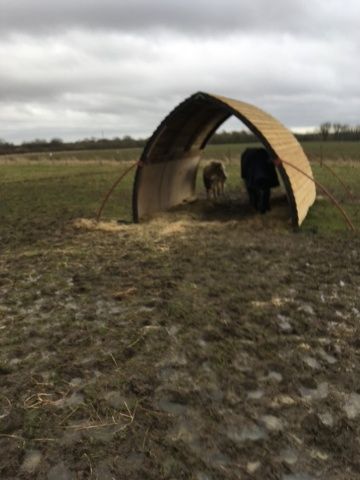
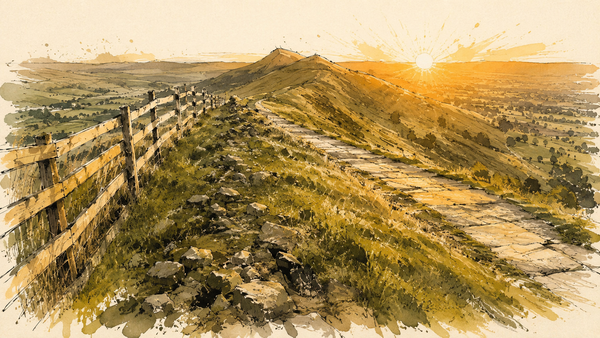
The landscape here is elegantly undulating, reminiscent of Eric Ravilious, whereas our old farm sits on typical Essex flatland. The gentle folds here afford stunning views on every walk - direct from our garden gate.

Walking left we enjoy the fields of a family farm owned by an old friend, local historian, amateur archaeologist and passionate conservationist. Crops are farmed conventionally but hugely sympathetically, surrounded by wide and glorious wild flower margins and ancient mixed hedgerows, dotted with ponds and spinneys bursting with wildlife – walking left last week I tried out my new ‘Merlin’ bird song app and in the space of a few minutes recorded skylark, robin, greenfinch, song thrush, jackdaw, treecreeper, wren, pheasant, Canada goose and Egyptian goose.
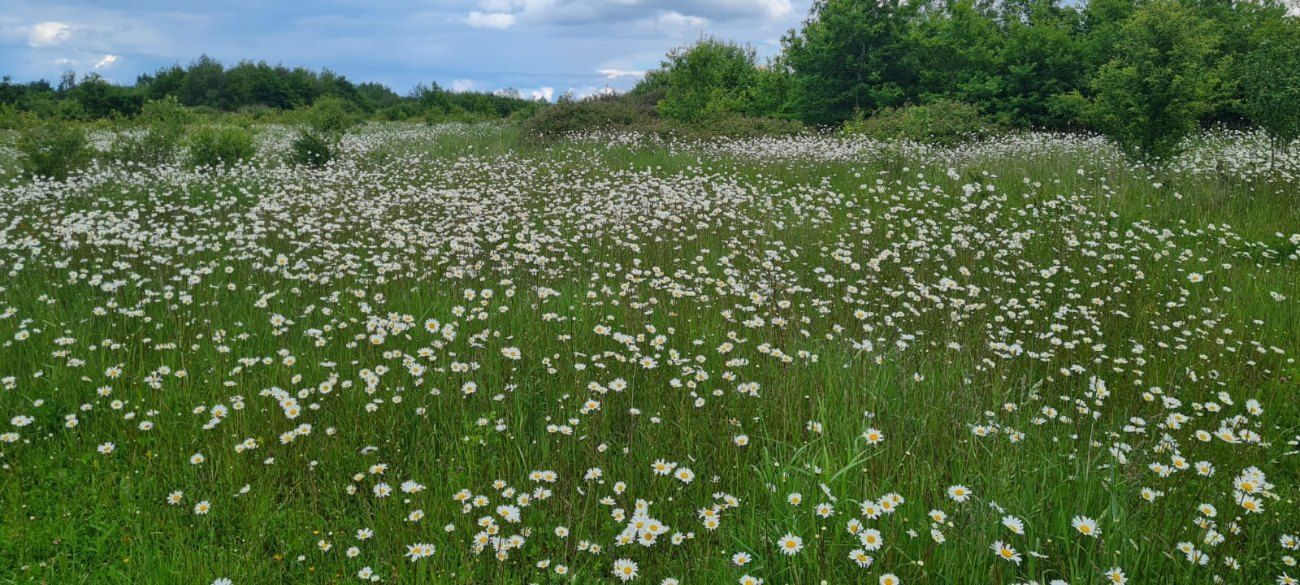
Walking right we cross to another family farm which operates a successful shoot. There are fewer wild flowers, but game cover crops give sustenance to teeming birdlife, hedges are beautifully maintained and tracts of magnificent mixed woodland kept intact and cared for.

Both these farms are striking evidence of the importance of family farming – not just providing food for the nation but loving and nurturing the surroundings as we tried our best to do. We may no longer live on our own land but as I continue to ride round our old acres I take comfort and pride that the pond, meadow, woodland and hedgerows still remain as our legacy to a much-loved family farm.