Don’t worry if your parents’ garden tools break, I have a solution
We do timeless well in the UK. An ancient, preloved Barbour jacket can have more value than a new Schöffel fleece. Garden tools like a spade and a fork can be seen as plain implements for gardening tasks, but you should demand more, and expect more.


What is your go-to piece of stuff?
When you go fishing you have your favourite fishing rod. An old friend with hopefully many happy memories. Different conditions, different tackle, different rod. Weight forward, slow sink, double spey, single haul all confidence in your hands.
Same when shooting, maybe a hand-me-down side by side, with odd remembered and sworn at dints, familiar engraving as you stand on your peg.
You may have a porch, shed, tack room, or just a coat hanger by the back door with your favourite dog lead, flat cap, beanie, or old jacket hanging above a much-loved well-worn pair of wellies.
We do timeless well in the UK, new stuff is a little scary and once we have reached a certain age it's comforting to say that’s it, I have everything I need. A little smug, like paying off the mortgage, and the school fees for the last time.
Now go into your garden shed, stable, or garage and take a good look at your garden tools. Are you inspired? If you root around, you may be lucky and still have your parents’ or grandparents’ old patinated spade complete with a wooden “D” handle smoothed by generations of digging. Worn by the very hands that raised you as a child, you are treading the path of your forebears.
If you can treasure that joined up piece of wood and steel, out there in the garden you can be as immersed in nature as any country pastime. A bad workman blames his tools, but good tools can lift a mundane chore or drudgery to recreation and enjoyment.
The Victorians knew how to make tools durable, but also, importantly a good fit for their hands. This art in manufacturing has now sadly been mostly lost in the relentless drive for homogeneity to drive down the costs of mass production to the lowest common denominator, price.
Rooting around in my toolshed a few years back you would have found that treasured fork, spade, and a hoe. But left outside, unwashed, and with my general lassitude and apathy the wooden handles eventually succumbed to woodworm, weakness, and weather. Bit by bit like the old wooden clinker-built boats rotting on ancient slipways and up muddy creeks, the tools of our previous generations have disappeared from this World.
That original fork, spade, and hoe had been used by my father in a market garden at Morville House in St Ouen’s Bay Jersey in the 1950s. The picture here is of him and my sister Polly which must be around 1956 with a garden spade in the background. They grew anemones, tomatoes, and potatoes the traditional way. My father insisted it was the seaweed from the beach which gave the Jersey potatoes their unique flavour, so lost today under the acres of black plastic.
If you can’t buy it make it yourself
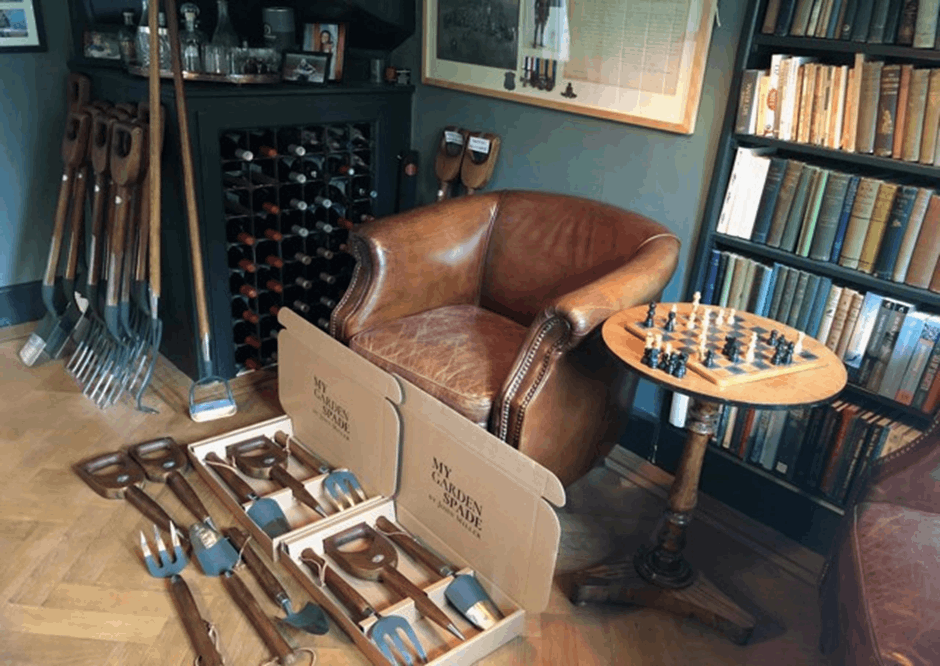
Failing to find any replacements in the market became a classic “make it yourself” and besides having been in the Services sector all my life I had a certain manufacturing envy. Finding such a company that could replicate the Victorian tradition of a wooden “D” handle, made from a single piece of beautifully turned ash, spliced into a single billet of forged high-grade steel involved many demoralising phone calls. It seemed no one cared about how the tools felt to hold and feel or how they would last. I wanted something I could treasure built the traditional way with no plastic. Everything was now cheap and shiny.
Finally, I stumbled upon Richard Carter Ltd in Honley, West Yorkshire. They were able to re-create the traditional method of Victorian manufacturing, which is maybe not surprising as their pedigree goes back to 1740 when a Jeremiah Carter, blacksmith established a tool manufacturing business just outside Huddersfield. His great grandson Richard Carter I, was born in 1828 and became part of this family business, which still thrives today.
They have had to re-learn some of the old skills and yes today’s cost of labour gives you a reassuringly priced finished product. But that is no different from a good fishing rod or handmade gun. You would not expect to throw away a rod or gun every few years, and neither should you throw away your spades and forks.

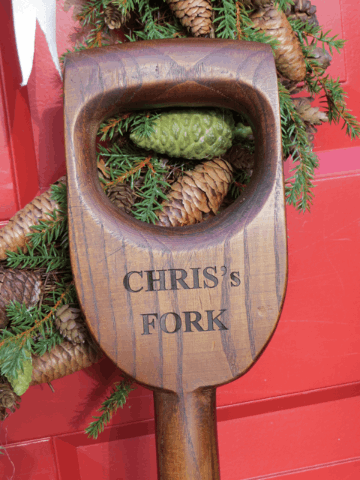
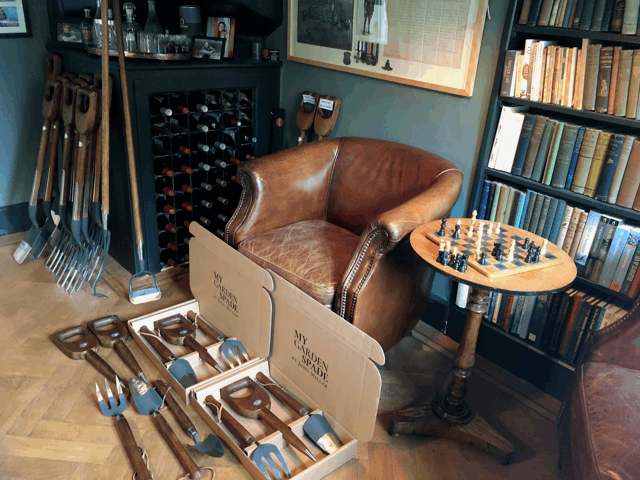


We proudly brought back the D handle
Don’t let the market drag you down to the lowest denominator. Your favourite garden tools should represent more than just practical implements. They symbolize a connection to nature, your connection with the soil and your food, a source of joy and fulfillment, and perhaps even a sense of identity or purpose. Include them among the essentials in life, highlighting the value that gardening can bring to your wellness.
And don’t worry if your Grandparents’ tools break you can now find them at www.mygardenspade.com.