From Embarrassment to Expertise: Off-Road Driving Demystified
Driving between pegs, what could possibly go wrong?


To Drive or be Driven
Driving your own vehicle between pegs is, in my view great; the warmth and comfort, the certainty of having all my possessions safe, a power nap for the dog, a covert phone check are all preferable to sliding around in a mud- filled trailer full of Guns and dogs. Many shoot owners, when reading their insurance documents, can also spot a few benefits too!
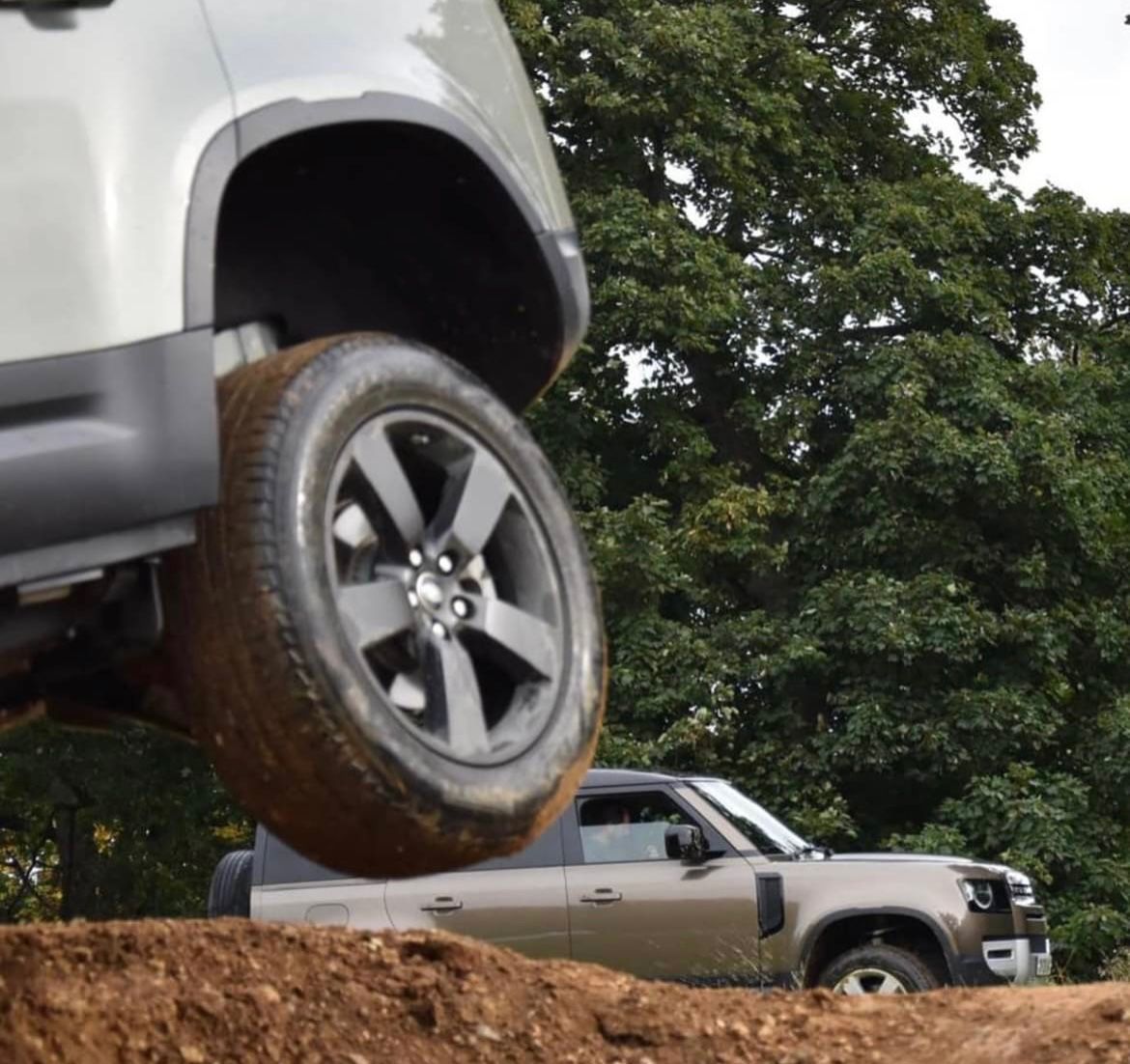
Driving yourself does come with an element of risk. The embarrassment of getting stuck, or as a friend describes it, "a failure to proceed" is probably the most common issue, though more often than not, this is easily resolved in a timely manner, but does infuriate keepers and other Guns as 20 minutes dragging someone out of the mud can impact on the day as a whole. At the other end of the scale, damage to your, or someone else's car or property is costly, embarrassing, and time consuming to put right. There's nothing like a tug from the Police for a mud -obscured number plate on the way home, that escalates to being reported for not having the dog or gun secure, or the indignity of the breathalyser at the roadside to destroy the day.
Outlined are a few common- sense things to consider, prior to, during and after your day, which will reduce the likelihood of embarrassment, expense and injury.
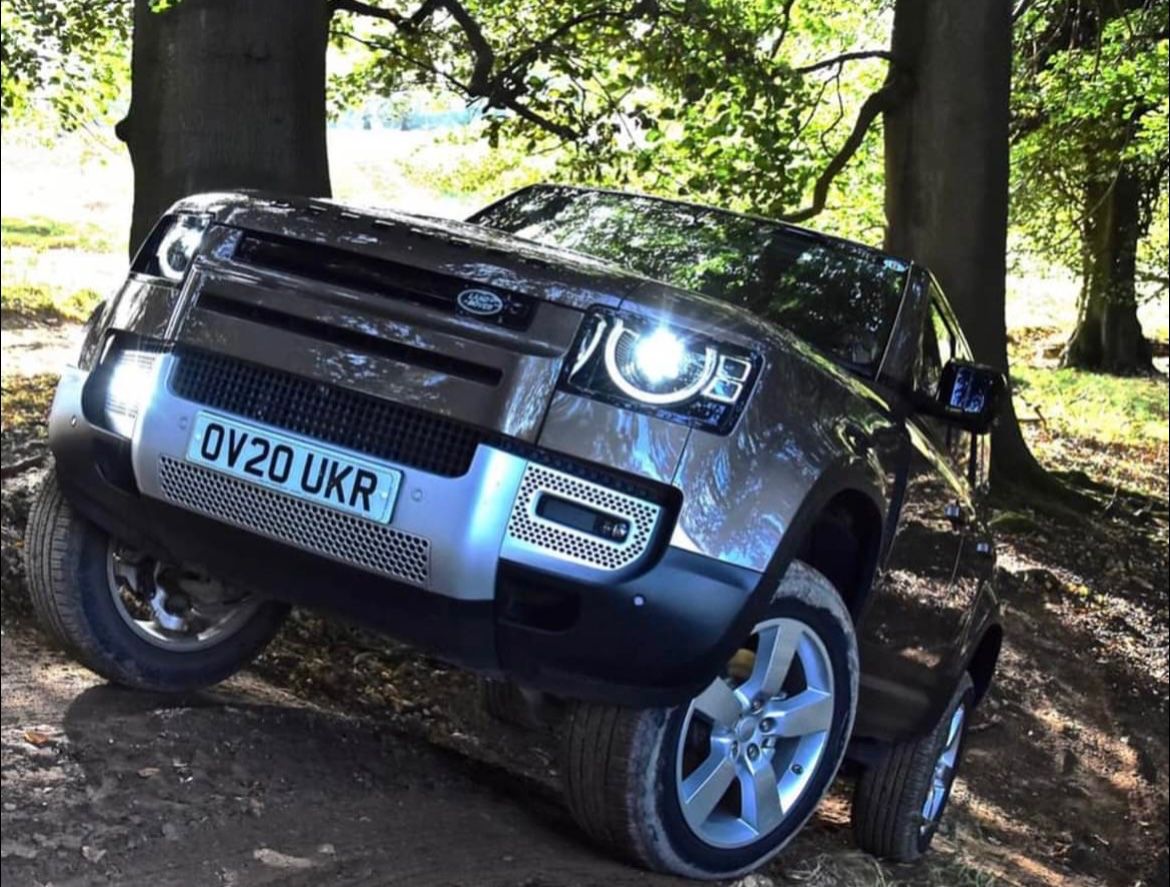
Preparation
We all devote a bit of time to sorting out our guns, clothing, boots and kit, but give little consideration to the car, other than filling it with fuel. An hour at some point in the week prior to your day can make all the difference.
Give it a decent clean inside and out. When looking for somewhere to place your coffee, gun, coat, bag or even muddy dog, you would steer clear of the shiny bonnet and go for the car not looking quite so cherished as a suitable shelf. If you were getting into someone's recently hoovered steed, you'd be more respectful and though not offer to take your muddy boots off, would at least not dance around on the seats.
Get shot of all the empty sugar sachets, coffee cups, lids and receipts. At some point during the day, all the doors and boot will be open at the same time and the wind will blow them everywhere!
When cleaning, you can have a quick check of your tyres, fill up your screen washers and make sure you've enough fuel, that's really about it. You are driving around farmland, not competing in the Dakar or Camel Trophy.
If you've not got any, get yourself some rubber mats in your footwells and boot. They are easier to clean than your carpets.
Check and update your insurance/breakdown policies and warranty documents. Some of these become invalid the moment you venture too far from tarmac.
On the day
The law is clear when it comes to travelling on the public highways with guns, ammunition and dogs. Failure to secure your dog could result in 6 points and up to a £5,000 fine. Failure to secure your gun and ammunition could result in your incarceration and a criminal record if it all came on top. You are allowed to stop for coffee and leave everything in a locked car, ideally in sight but doing a weekly shop or leaving it in the motorway services while you eat would be somewhat more difficult to justify. Drive- thru is the way to go. I've recently been stopped by the Police for a defective light on a horsebox, they seemed unconcerned by a sleeping dog snoring on the back seat, so saved £5k there, though had there been a shotgun laid there, it would have been a very different evening.
Top Tips
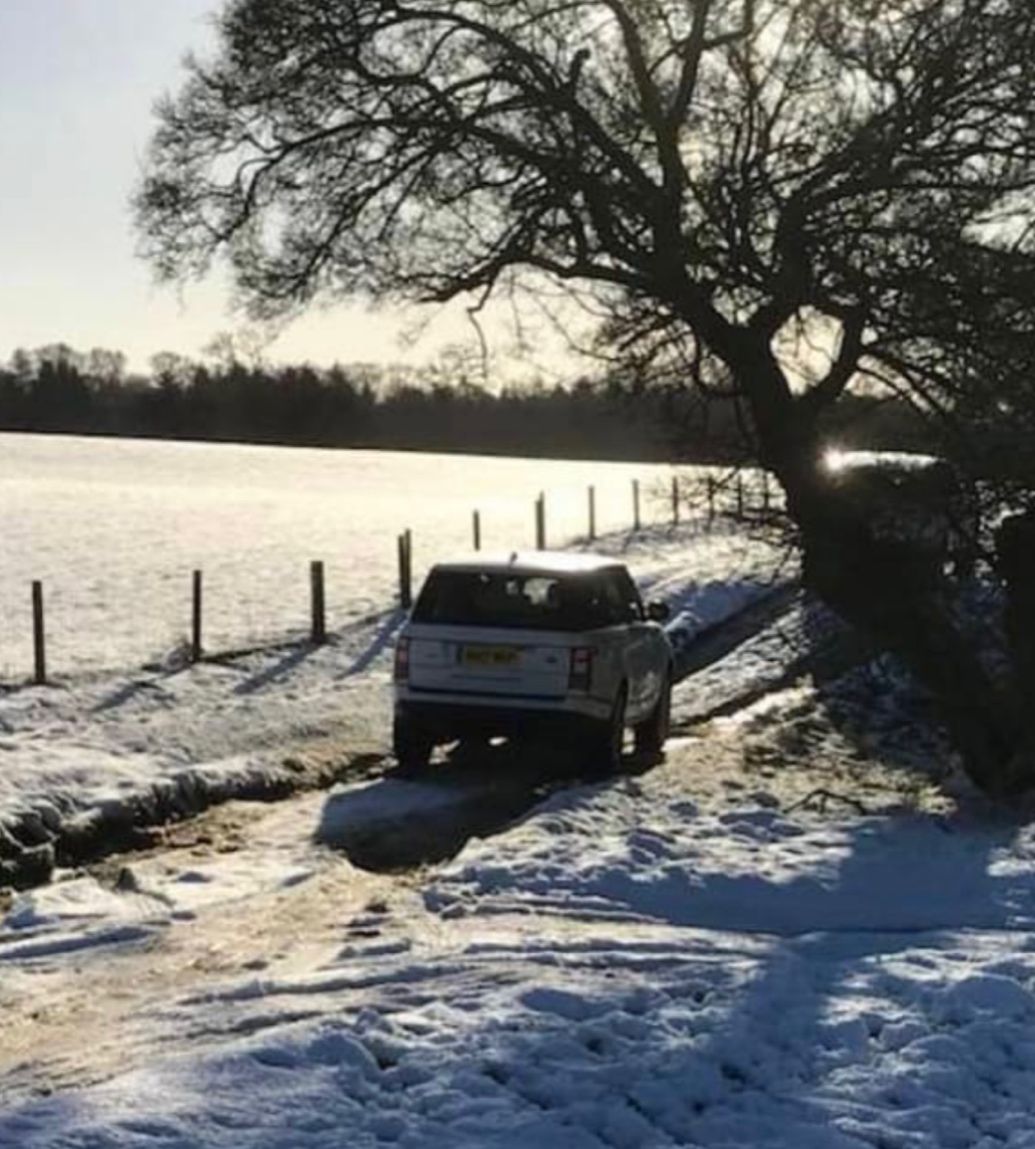
- Get the dog out for a wee and poo just before you arrive. The only thing more humiliating than a full "code brown" on a gravel drive is picking it up!
- Park where directed and ideally on level ground. A slope means your doors swing open or shut and the contents of your boot can fall out. Always try to park pointing in the direction of where you are headed next.
- When driving in convoy, always aim to be third from the front. If in pole position or at the back, you get all the gates!

Familiarise yourself with your car's off-road controls. These can range from the manual connecting of the hubs to the drive shafts and selecting 4 -wheel drive, common on early Toyotas and often seen on Series Land Rovers right up to the touchscreen deployment of a technically advanced off -road cruise control system, (ATPC, All Terrain Progress Control) an option available from the JLR stable.
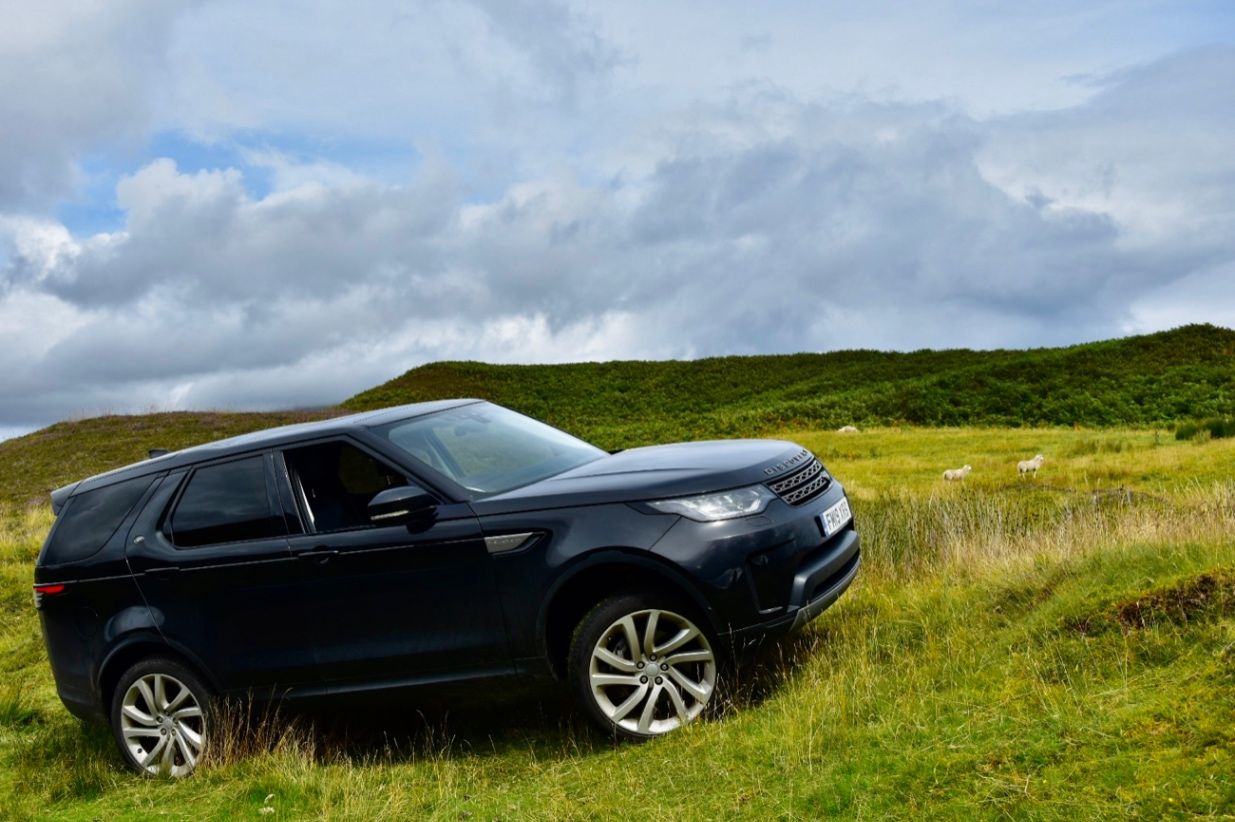
Between these two extremes of tech are varying incarnations of a terrain response system on most off-road cars. Normally a graphic denotes ice, mud, sand, rocks or a racetrack. These "modes", when selected alter the levels of support afforded by the traction control, change the throttle response, the suspension height, descent speed, the preloading of the differentials and countless other things. Historically I got all a bit nerdy about all this tech, which, is amazing and does increase one's ability to proceed, though I now just look out the window and select the mode where the graphic most accurately reflects my view. If it's muddy I select the mud one, if there is a blanket of snow.......the snowman!
The technology will only help you out so far, it is understanding the techniques that will aid your progression. These techniques are very simple indeed and are essentially all to do with speed and direction combined with some ground reading skills.
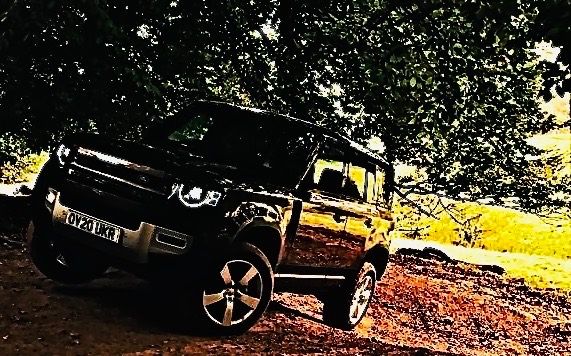
If your car is travelling at the same speed as your wheels are turning and in the same direction as your front wheels are pointing, you are in control.
The moment you've got wheels spinning on stationary cars or cars moving with their wheels locked up, or travelling in a direction dictated by the ground conditions rather than the direction the wheels are pointing in there is likely imminent tow rope deployment.
Speed
Off-Road experts often quote, "as slow as possible and as fast as necessary", there is some truth in this, though when attempting to keep up with the X5 ahead of you in a convoy while your rear view mirror is filled with Range Rover and its blinding lights, it's quite difficult to work out what's possible or necessary. I, when attempting to determine an appropriate speed use the Coffee Speedo. Its really simple, if your passengers are able to drink rather than wear their coffee whilst you are driving, you are probably driving at the correct speed.
This sort of speed reduces damage to your car, the environment, allows you time to think and avoid trouble. There is a big difference between speed and momentum, but always consider the important bit, and that's stopping without the assistance of a solid object.
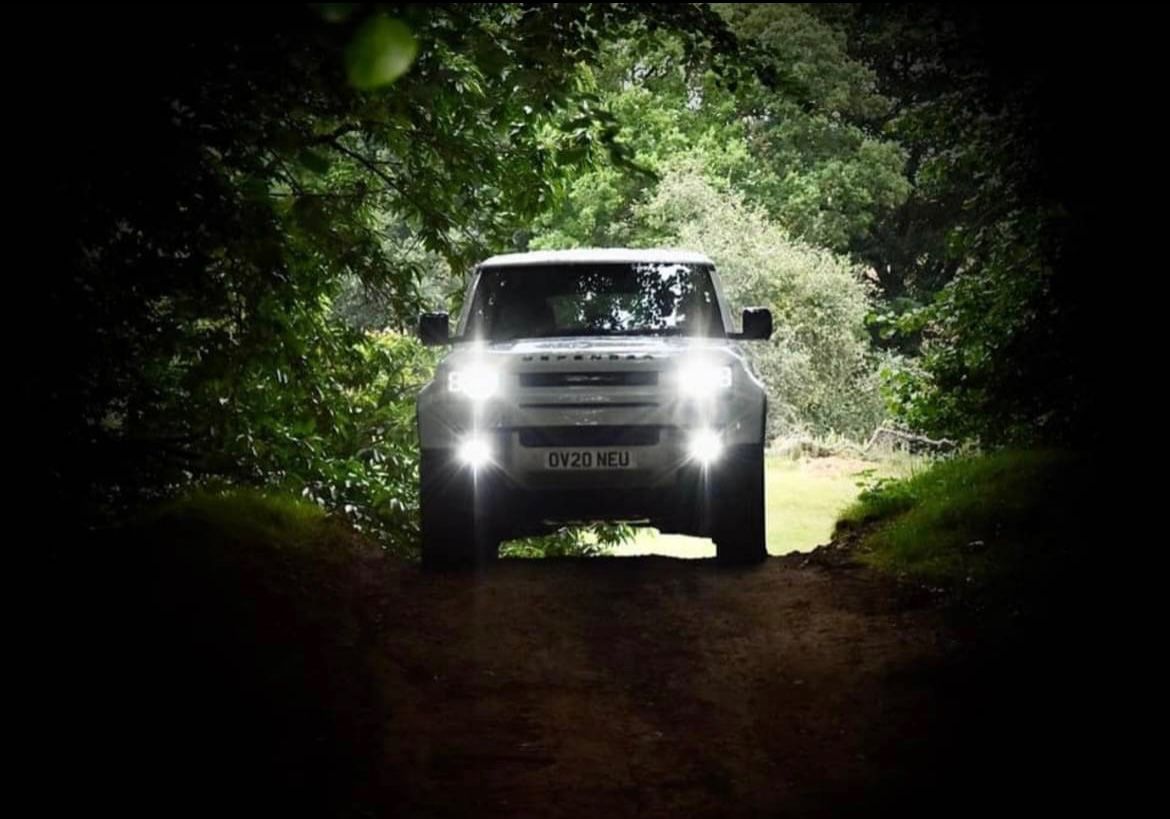
Controlling speed is down to gear selection and throttle, on a vehicle with a low ratio option, the moment I find myself thinking, "I'm glad I'm not in a normal car", I select the lower range. 3rd gear in low is about the same as 1st in normal range. Whether in manual or automatic descend hill in a low gear to provide engine breaking and ascend in a higher gear to reduce likelihood of wheel spin.
Though your top speed is somewhat limited in the low range, I would suggest that if you feel the need to travel in excess of 30mph on a low traction surface, there are other hobbies more suited to you.
Direction
All wheels pointing in the same direction is good. The moment the front wheels are pointing left or right and attempting to pull the car in that direction, the back wheels are still pointing straight ahead so now there is a slight conflict with the front and back of the car attempting to travel in different directions. Yes the differentials allow for that; a locked differential is going to help, but there is still the potential for a bit of spin and stuck.
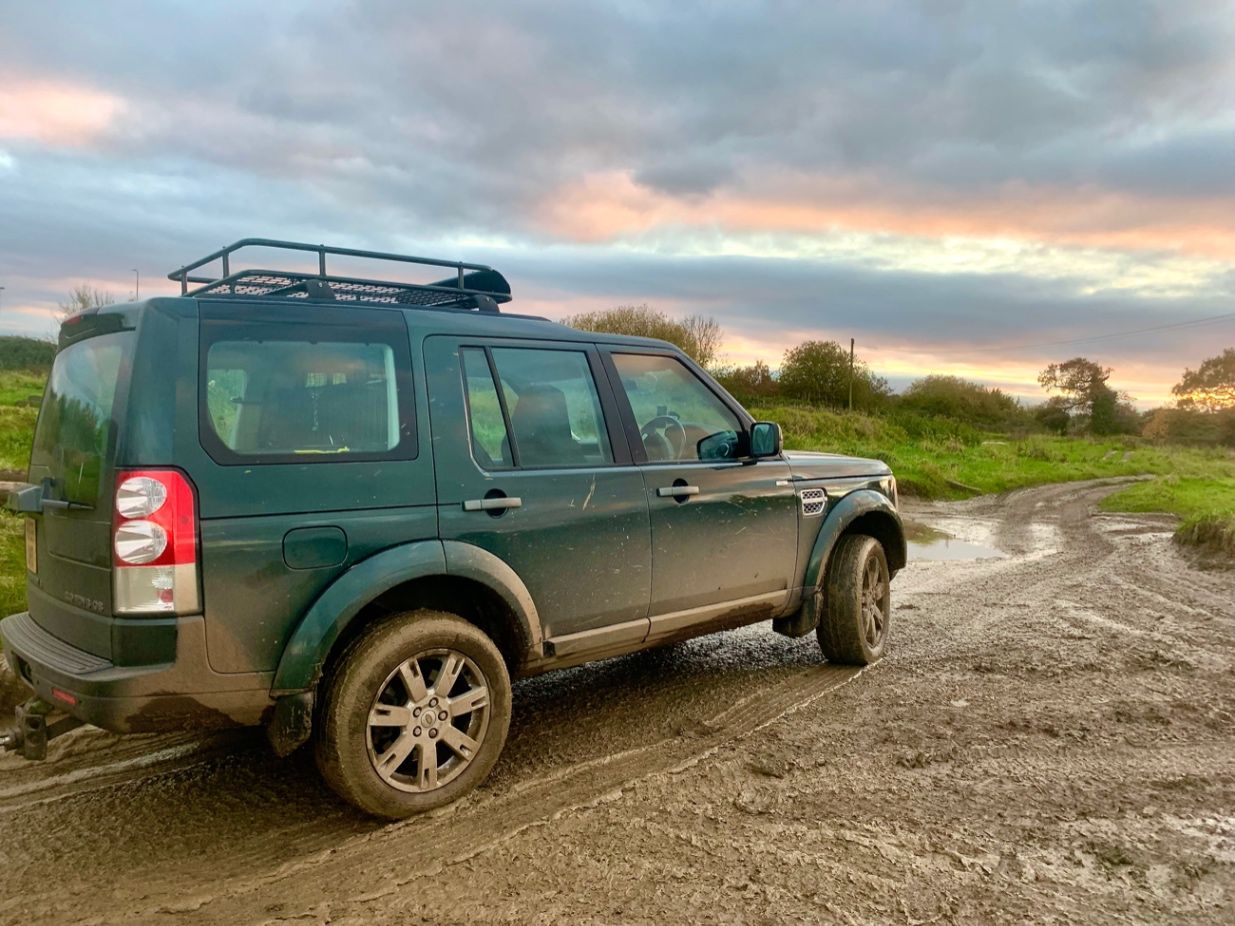
You should only ever end up with mud in your wheel arches, not up the side of the car.
Pushing a car from a standing start round a corner is a lot harder than pushing it in a straight line. Give some thought though to momentum when turning and avoid sharp turns.
Ground Reading Skills
Driving in convoy is the ultimate cheat when it comes to reading the ground. Driving solo is quite a skill, you need to be in and out of the car prodding the ground with sticks attempting to establish whether or not you will get through. When in convoy, it is really easy. Just pay attention to the car in front, if he disappears up to his wing mirrors in a Vicar of Dibley puddle, don't drive in the puddle. Watch how close his car is to the ground, if the ruts are so deep that it is catching the bottom of the car, consider straddling the ruts or picking a slightly different route.
Driving off-road is a non-contact sport. The only part of your car that should touch anything are the tyres!
Before heading home
Have a quick check of your tyres before headed home, you are better to discover that bulge or split now than on the motorway. Load up and head off home. As much as you are not in the mood for any jet wash action, at least get the worst of the mud out the wheel arches and brakes before smashing it down the motorway. You can kill a set of discs and pads in 60 miles if they are full of grit!