Is there a future for hunting/shooting? Yes - but...
We must face many more people in the countryside now than we did before the Covid-area. It is trendy and popular to seek relaxation in the nature. Everyone needs to get a mental boost in a busy life - for us and for them.


Is there a future for hunting/shooting in the future? Yes - but...

We must face many more people in the countryside now than we did before the Covid-area. It is trendy and popular to seek relaxation in the nature. Is is for everyone a need to get a mental boost in a busy life - for us and for them.
In Europe we have seen a transformation in the established ownership of "nature" (the countryside) for recreational use. Today an increasing number of people are beginning to spend their leisure time outside - in the nature, in the countryside. Outdoor style of living is now not exclusively for hunters, anglers, birdwatchers, and ramblers. Everyone seems to want to take on the nature and outlive the dream of outdoor life.
It is a development derived from the very close restrictions in the covid era. You could go out, but it had to be on your own. Not in the company of friends etc.
What we saw - all over Europe - was people turning to nature, going to the seaside and into the woods, where many of them never had been before in their life. Nature has become the place to be if you need to refresh your tired batteries.
We know that people from towns have a profound wish to experience the open spaces and the view of infinity you only find in nature is something we all long for - even if we didn't know it.
The new crowds
My point here is, that as hunters, anglers etc. we must now accept and learn to live with "the new crowds". Whatever we think of noisy mountain bike riders and free camping-groups, they are here now, and they have learned very fast where to go and learned their rights. Most of the "newcomers" have no previous interest or experience in how to behave in the nature but they turn to online directions and YouTube videos to see how to be a real outdoor person.
As your humble foreign correspondent from Scandinavia/Denmark I take the liberty to compare the situation in UK and Denmark in this respect, as it seems very much alike. As it by the way is alle over Europe. Jake Fiennes, the conservations manager from the Holkham Estate describes in his very interesting book "Land Healer" the traffic to the beaches of Norfolk, where 800.000 people visit the beach every year in 500.000 cars and settle for the day in a rather limited area. (Interestingly he also describes that they bring about 300.000 dogs and that the estate must dispose one ton of dogpoo-bags a week). I do not know the numbers in the rest of UK, but they are likely in the same amount in the thousands of beautiful areas in other parts of England, Scotland and Wales.
Millions seek "outdoor life"
I can tell you that on the West Coast of Denmark - a very popular place for tourists from Germany, Norway, and Th Netherlands - there are 10 million visitors a year (2022). These tourists are not a new trend. They have been around for many years, but the trend now is that they do not only take a swim in the North Sea; an increasing number of them want to explore the nature of Western Jutland with its dunes, moors and wetlands.
Until now the majority of tourists came for the summer, but now they come all year round and they mix with the increasing numbers of Danish outdoor people. There are for example more than 200.000 registered mountain bike riders (plus probably many more non-registered), and they are not always riding the official trails made especially for them. There are also all the people for whom a trip or day tour out in nature is a highlight, maybe of a busy week.
Few years ago, the routine for at daytrip to nature areas or woods normally was going to a rest area and have lunch. Only a few did go more than 50 meters away from their cars. Today the same people are more adventurous and go further into the woods.
They are now among the people who mentally benefits from walking the woods or the moors or the beaches.
It is important that we acknowledge this need in all human beings.
Now to "what about us"
And - sorry for the long intro - now to the hunters and anglers. Enough of "them" - now about "us". Because this need, this deeply rooted need is something we share with everyone else.
The difference between them and us, the hunters and anglers are that we actually pay for our right to shoot or take fish from the rivers/lakes etc. If you ride your mountain bike in the woods, it is free. This is probably - as far as I know - the same in the UK. So, we have the basis for a conflict that has been there for many years. "Go away. We are paying here..."
In Denmark we don't have many problems between hunters and the public. We do not have any militant antis to hunting so normally is a day out shooting or hunting, without public interest.
Except for pheasant and duck shooting of reared birds. There is an increasing animosity against that kind of shooting. It is mostly in the newspapers and social media, but anti groups are coming our way.
You have your share of antis, I know and as far as I understand your shooting press it is normally not a big issue, but it is an expression of an attitude among the non-hunting members of the public I fear is likely to grow both in Denmark and in the UK.
And with many more people roaming around the chances (or maybe better risks) of confrontations between hunters, anglers and shooters are growing. That is why I say: Yes, there is future for shooting...But the shooting/hunting community must take the oncoming risks of confrontations seriously or the future can escalate to sourcing more antis against hunting. And in this there are no difference between Denmark and the UK - and the rest of the world as well.
A positive narrative
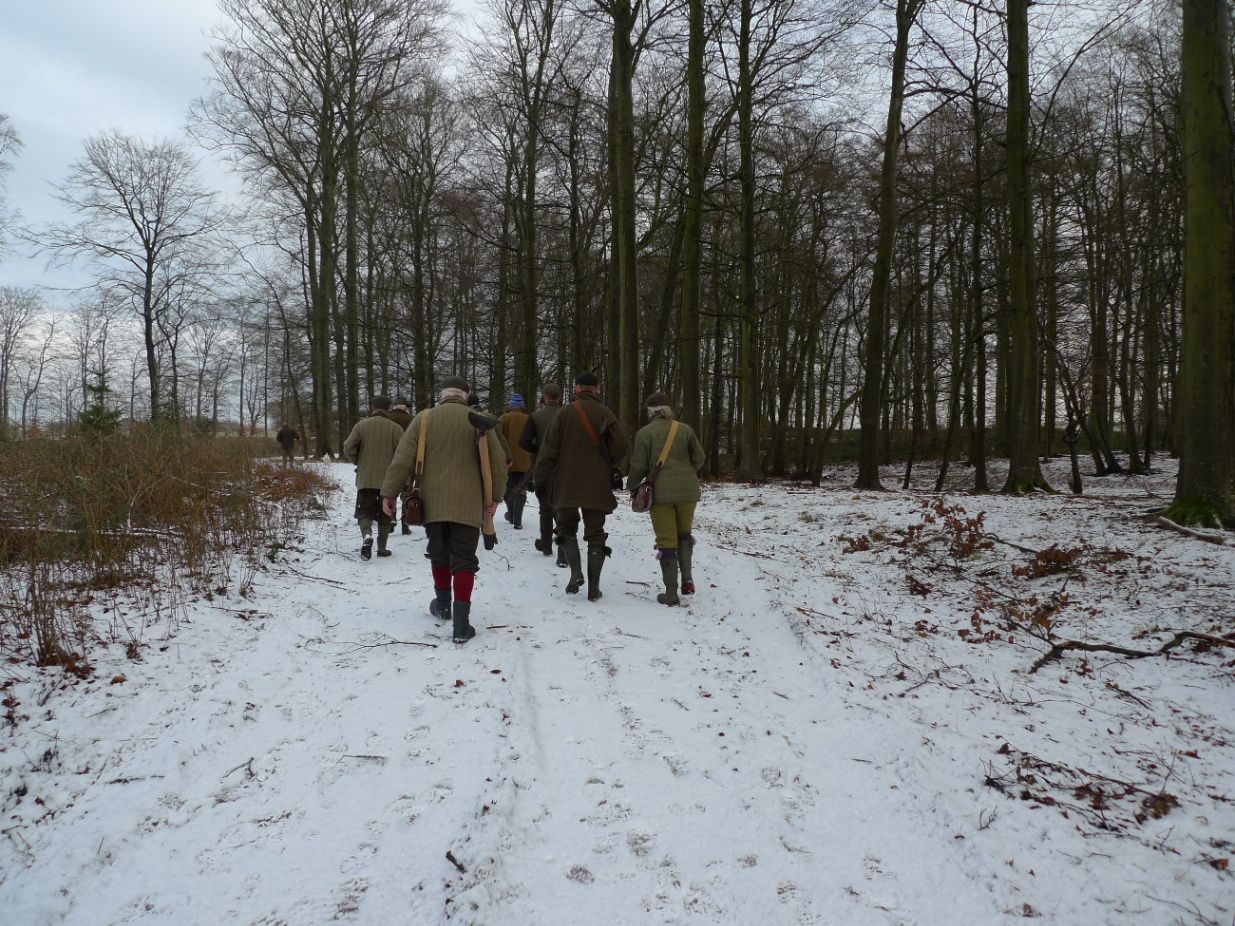
We have a historic tradition and a positive historic narrative of what we do. We have for generations been the "green people" out there. We have been acknowledged for what we do, what we do for conservation and that we behave gently and sustainably. It is important that we keep this narrative clean in the future. Not that we are going to bow off for resistance against our interests, but that our organizations and our spokespeople are prepared to defend our rights in nature as well as alle the others. And we must as individuals be prepared to explain what we do and maybe even invite the "newcomers" to see for themselves how we do it.
In a world where social media is the people's high court, we must all be ready to defend ourselves. But on the other hand, is the situation also calling for an open and serious debate on the way we practice, what we do.
Can you go on defending and justify shoots with very big bags? It is not a problem here. We do not shoot big bags. But we have hunting on the sea that often is on the edge of responsible hunting, and we have a - not proved - situation with wolves (new in Denmark) disappearing very mysteriously often in areas with high profile deerstalking.
These are issues that need to be discussed in public.
Contemporary ethical rules
And I think that hunters and anglers all over the world need to find a more contemporary set of ethical rules. What we have may be good, but I see sometimes that they also seem to have less importance for the individuals these days. The good old days are over.
In November 2022 I published a book about the Danish hunting history over the last 100 years. Not historical as so, but more about how hunting in Denmark has developed in the last 100 years. It was expected that there would be a debate on ethical behaviour among Danish hunters. But nothing happened. The book sold well, got very good reviews. Noone wanted this discussion in public. The book is now known as "the book many reads, but noone wants to talk about it".