"Johnny Town-Mouse and Country-Mouse Timmy Willie" - Beatrix Potter
How big is the gap now between “Johnny Town-Mouse and Country Mouse Timmy Willie”? - Beatrix Potter. Pretty big really but it's no good just complaining we need to get back to how our children are educated
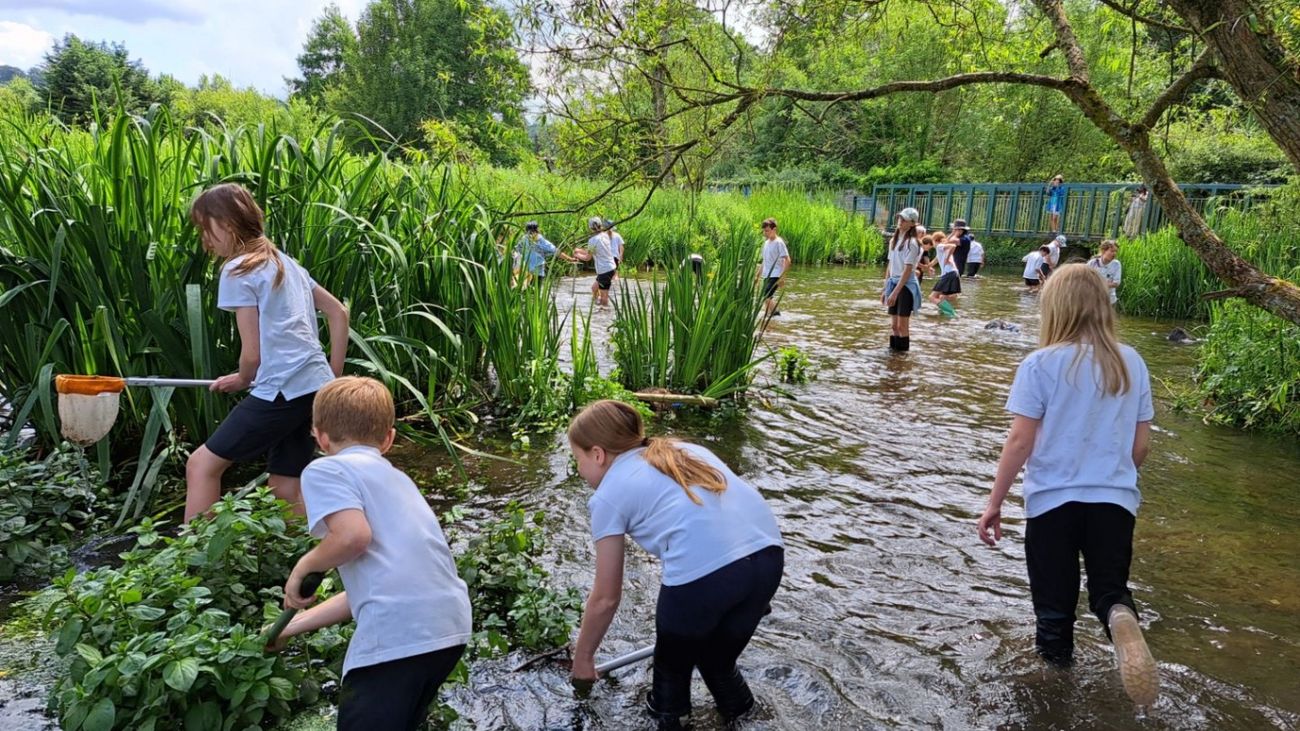
Is it any surprise that our children have become disconnected from nature? While our urban population has swelled by over 15m since 1960, the rural population has shrunk by nearly a million. Nature, as a formal part of a child’s education is missing in action and cannot be mitigated by a few brave and passionate teachers/naturalists.
Add to this video consoles, smaller gardens, and fragmented families then who is there to fire up the imagination of a child’s natural curiosity?
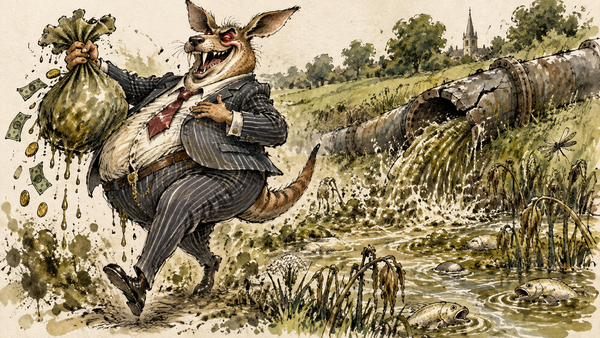
No wonder it is hard to put forward Country arguments. Half the time no-one understands what we are talking about. For example, people, lots of people, really do continue to eat open-net farmed salmon.
We have turned our backs on the legacies of Charles Darwin and the Mary Anning of this World (wonderfully described as naturalists, explorers, geographers, anthropologists, biologists, and illustrators). And with them, we have also turned our back on Wildlife as incidental. True, we are very lucky to have the mystical David Attenborough, but he is often whispering his magic in some far and foreign land. Our children may know more about the plight of dwindling aardvarks in the Kalahari than the sticklebacks in their local brook.
At the triennial meeting of the General Assembly of the International Union for the Conservation of Nature and Natural Resources (IUCN) in New Delhi way back in 1968, a young Senegalese Forestry Engineer said:
“In the end, we will conserve only what we love; we will love only what we understand; and we will understand only what we are taught." – Baba Dioum
Now he was ahead of his time, unfortunately the World has not listened.
The fear is children will grow up believing our impoverished world with fewer species and huge reductions in absolute numbers is normal, a new low bar is drawn in the sand. Incapable of connecting the dots at a time when environmentally we are crying out for people who get the bigger picture. Reduced awareness and appreciation of the natural world around us can feed apathy for the very environment we have to protect, in the critical formative years of our children. We need nature-literate students in big business and industries such as Energy, Construction, Agriculture, and Fisheries as well as the Public Sector to hit our Environmental, and climate goals.
Over the last 20 years, we have found room for much diversity, which is a good thing. We also need to find room now for BIODIVERSITY.
Fixated on GDP as the cure-all measure of life we lose the excitement of everyday wonders all around us and critically that sense of identity for our local wildlife and plants, belonging to our community, our habitat, our spiritual connection to a place, a sense of belonging.
If you want a good read on how children have lost intimacy with nature, try “Last Child in the Woods” by Richard Louv. He directly links the lack of nature in a child’s world today (calling it nature-deficient) to some of the most disturbing childhood trends, including the rise in obesity, attention disorders, and depression. And that’s just the children!
There is an interesting “100 activities we can take” section at the back, but today I want to draw your attention to how we, in the UK, have an opportunity to reverse this trend by engaging and supporting our own supplement to nature deficiency, with the introduction of a new GCSE for Nature. New GCSE subjects do not come around very often, and this will be available in the curriculum from September 2025.
So, what is Natural History?
Natural History focuses on understanding the natural world in all its richness and diversity. Through observational study and investigation, natural history seeks to understand the complexities and interconnectedness of life on Earth in contrasting habitats. Natural History explores how our natural world has been shaped and how it continues to change, both by natural processes and through human intervention.
“GCSE in Natural History would reconnect our young people with the natural world around them. Not just because it’s fascinating, not just because it’s got benefits for mental health, but because we’ll need these young people to create a world, we can all live in a vibrant and healthy planet.” – Mary Colwell
How does the Department for Education define this qualification?
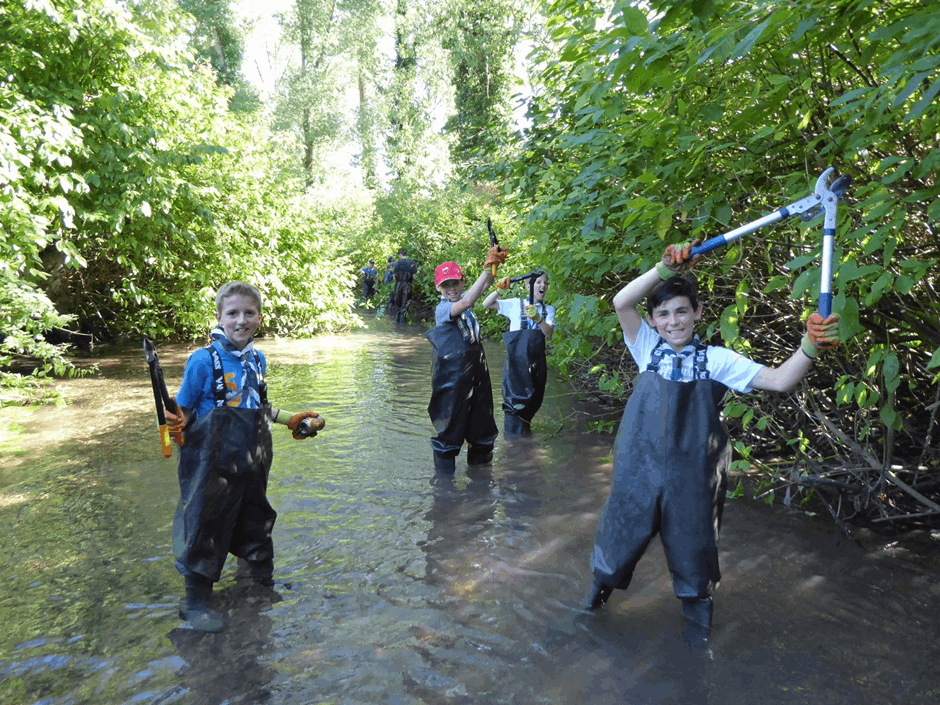
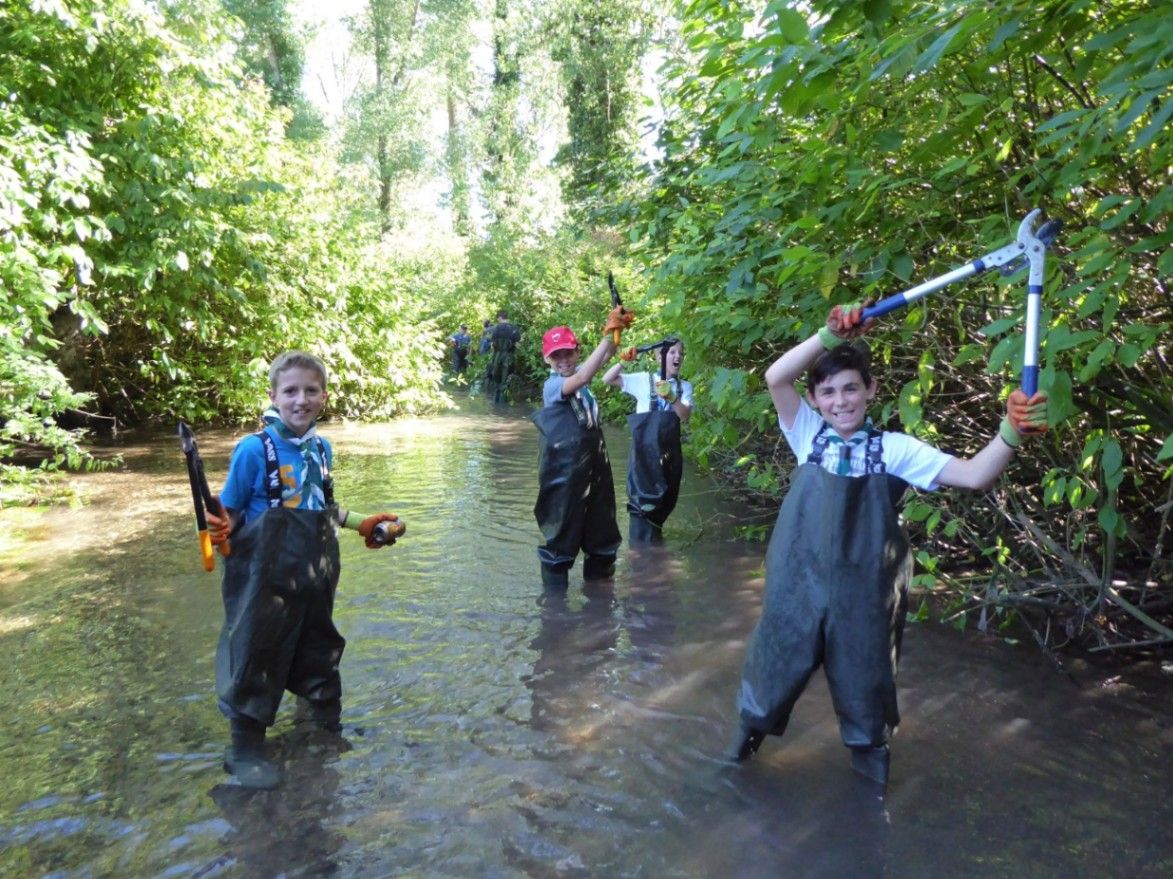
This rigorous qualification will allow the study of the depth, breadth, and context of the natural world in a way that other GCSEs do not. It will complement and be distinct to qualifications in, for example, Geography or Biology, and this new GCSE has been designed to precisely do that. A GCSE in Natural History will include developing skills of observation, monitoring, analysis, and reporting which support students to develop a deeper understanding of the complexity of the natural world, including its fragility and interdependencies. This will involve active outdoor engagement, including of students’ local wildlife and ecosystems, whether they live and study in urban or rural environments.
In GCSE Natural History, students will not just learn general definitions of habitats and ecosystems, they look at specific habitats, flora, and fauna in-depth and the interrelationships between specific examples. In GCSE Natural History, students explore the natural world at a local level so they can name, classify, and understand organisms – they do not merely look at ecosystems and processes like pollution as case studies; it’s a richer, more in-depth learning experience underpinned by engagement with/observation of the natural world by:
· Encouraging detailed study of specific organisms (wildlife) and the environments in which they live.
· Developing a student’s knowledge and understanding of the forms, functions, and behaviours of wildlife through the study of real plants and animals across a range of settings.
· Developing a student’s appreciation and understanding of critical interdependencies and relationships with other species, and between specific organisms and their environment, locally, nationally, and internationally.
· Helping equip young people with the knowledge to help tackle and better understand future environmental challenges.
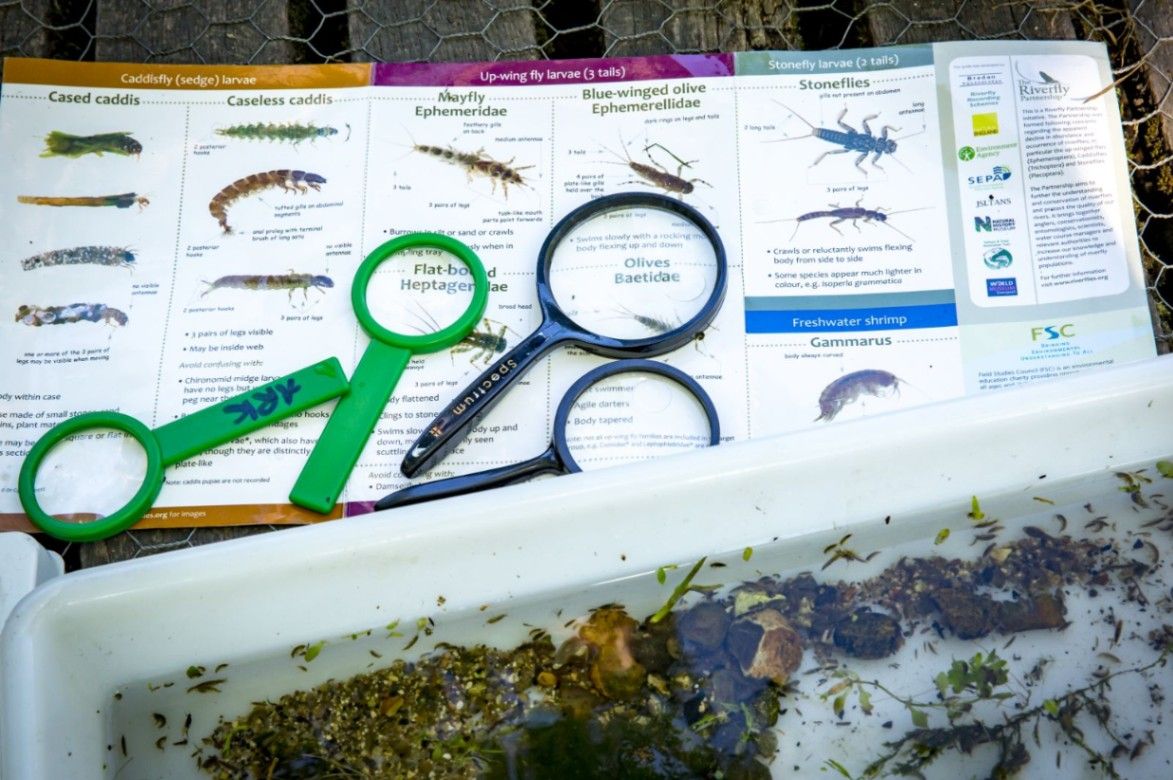
This will formalise Nature within the curriculum empowering people to become nature literate and providing a pathway to further education and a nature-positive economy.
And we the parents have a part to play. Something to talk about in your next Parent's evening as I am not sure all schools have woken up to this yet.