Keeping your Chickens Happy and Healthy in Winter with Layer Mash
In the colder months, hens need extra help to stay warm, healthy and productive


If you keep chickens, or run a shoot of any size, you’ll likely be familiar with the concept of your bird’s feed being delivered in pellet form. These extruded nuggets of feed allow the manufacturer to carefully craft a balanced mixture of nutrients to ensure that your birds are getting just the right diet to help them grow, fly higher and faster, or produce lots of eggs (delete as applicable).
You may, however, be less familiar with ‘mash’ as a feed format. I’ve been feeding my backyard hens (and one cock pheasant with an identity crisis) on Farmgate layers pellets for the last year or so, and they seem to love it. What’s more, they produce beautiful eggs with rich yolks, so I’ve been very happy with the results.
However, whenever I go to order my resupply, I find myself intrigued by the other layer product offered by Farmgate, namely Layer’s Mash. Perhaps I’m ignorant, but I had not encountered ‘mash’ before, and wanted to find out more. I contacted Farmgate to get a picture of what Layers Mash actually is, and to find out why one might choose to give one’s hens mash instead of pellet.
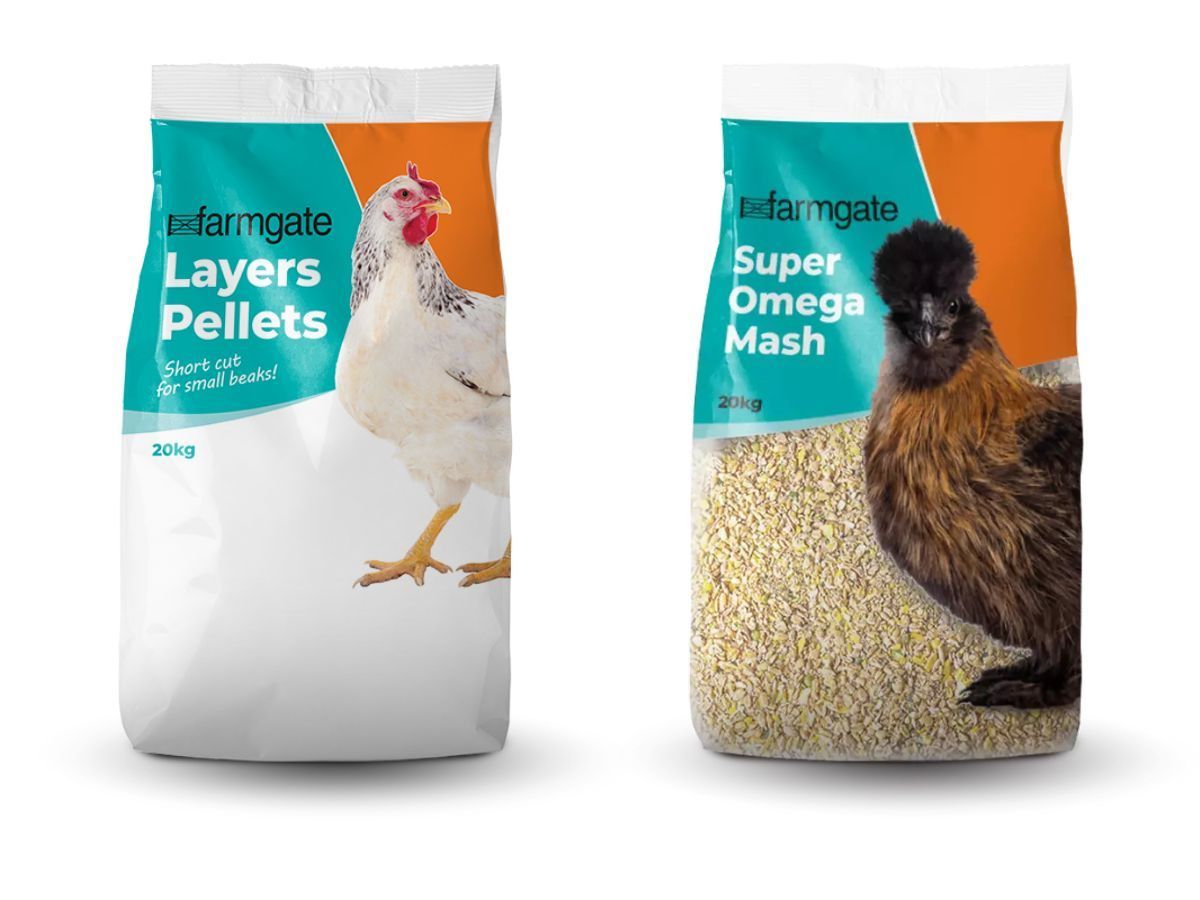
According to Andrew Fothergill, Poultry Adviser at Farmgate, pellets are the most popular choice with their customers, in no small part down to the ease of handling, reduced waste and the fact that each pellet contains a fully balanced mixture. However, there are also, he says, lots of good reasons to give your birds Mash instead.
But before we get on to them, let’s just look at the similarities. The big important one is that in terms of nutrients, there’s not much between the pellets and the mash - both 20kg bags have a 16% protein content, as well as optimum levels of calcium, phosphorus and vitamin D3.
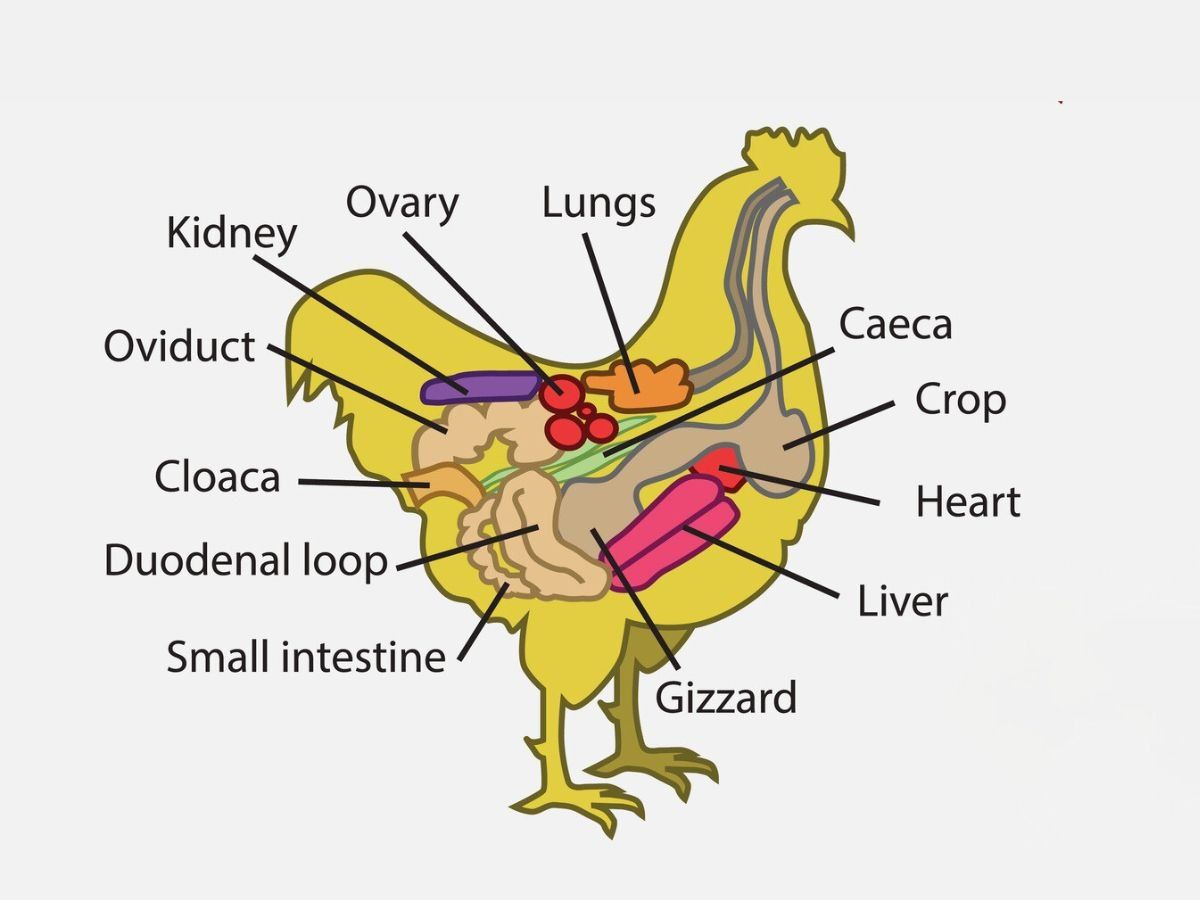
What is different is that instead of the uniformity of the layers pellet, layers mash offer a more natural texture, with ingredients like rolled wheat, cut maize and split peas. “This is important because one of the unique features of a chicken is its gizzard,” says Andrew. He goes on to explain that because chickens don’t have teeth with which to grind their food, it needs its gizzard - a strong muscular organ - to grind down food into a fine soup to aid digestion. “Providing feed texture stimulates the gizzard to develop and be an effective alternative to teeth.”
Another advantage that the mash has over the pellet is that it actually helps the physical processes of the chicken’s gut. Andrew again: “The gizzard is often referred to as the “pacemaker” of the digestive tract – so when the gizzard is busy grinding food down by its rhythmical contractions, food flows naturally along the digestive tract in the right direction to be digestived and ultimately the indigestible fraction to be excreted.”
Super charged
In addition to their standard layers mash Farmgate also offers a supercharged version of the layers mash - Super Omega Mash. This, according to Andrew, has “arguably the most appealing and appropriate texture for a hen” and is fortified with LINTEC, a form of processed linseed, which contains naturally high levels of Omega-3 fatty acids, which not only results in superior quality eggs, but has been shown to deliver health benefits in both hens and humans.
Now, I have written before that I keep my little flock mostly for entertainment, but we do get through a lot of eggs in this house. My wife is an enthusiastic baker, my kids love ‘eggy bread’ and I make a mean carbonara, even though I say so myself. Of course, this means we want great tasting eggs, but also are looking for healthy eggs. Super Omega Mash is reported to deliver eggs with great colour, taste, smell and texture, but also reduces the fat, fatty acid, polyunsaturated fatty acid and cholesterol levels in the eggs.
Winter for hens
This time of year is one when ensuring your flock’s health should be of top concern. As summer turned to autumn, our chickens, like most chickens, started to undergo their annual moult. As the birds’ systems begin to divert nutrients to replace their feathers, they stop laying. Moulting can take up to 12 weeks, and some of our girls are still looking a bit patchy even now. With a serious carbonara habit to maintain, there’s good motivation to do everything possible to speed the process up and ensure the moult lasts as short a time as possible.
.jpeg)
The good news is that Farmgate layers feeds - either mash or pellet - are high in protein, the very nutrient that chickens need to regrow their feathers, which are made of up to 80% protein. The other key nutrient is calcium.
To really support their health, keeping your birds on a diet of Super Omega Mash could be a great start. However, the British Hen Welfare Trust advises that chickens in moult should have the protein content in their diet increased from 16% to 20%, so as well as this, you may wish to consider providing your birds with protein-rich supplementary feed, such as insects or sunflower seeds.
Now that we’re heading into winter, and temperatures are dropping, nutrition is also key to keeping your birds healthy, warm and keep egg production as high as possible. The improved digestion and nutrient uptake that feeding mash can offer goes some way to helping here, but you may find that your birds eat more in the colder months than they do in spring and summer.
One of the challenges is ensuring that your birds can eat enough during the day to both keep them warm and provide enough nutrients to produce eggs. One good trick is to provide warm mash in the morning and evening in order to ensure that they warm up quickly in the morning and go to roost warm at night - just add some warm water to layers mash, and stir until you have achieved a thickish porridge. Don’t make it too sloppy or the hens won’t like it! Mixed corn provided in addition to their regular ration also helps chickens to stay warm.
How to feed layers mash
Layers mash can be offered to your chickens on an ad lib basis. You can provide it dry, or with a little water added to form a sort of porridge, which some research has suggested results in better nutrient uptake and improved digestion. Beware, however, that wetting the mash is likely to encourage mould and bacteria, so you should feed little and often if you plan to do this. Depending on the style of feeder, sometimes mash doesn’t drop through, so you may consider using a traditional trough-style feeder instead.
Explore the full range of Farmgate poultry feeds here