Moving Forward: The Evolution of Ammunition
The evolution of ammunition mirrors centuries of innovation, adapting to meet the demands of performance and safety. As the debate over lead restrictions intensifies, understanding this journey is key to navigating the future of shooting.


Lead ammunition has been used for hundreds of years, and many argue that it remains the most effective tool for the job. However, it has not always been this way. Lead ammunition has constantly evolved, with ongoing reviews and developments aimed at improving its performance.
A glance at cartridge manufacturers shows this evolution clearly – every new release often features shot that is more polished, coated, faster, or harder-hitting. Names like Megadeth Super reflect these improvements, signalling advances over last year’s models. Lead ammunition has never been a finished product, and if it were still in use 20 years from now, it would undoubtedly perform better than it does today.
[1].jpeg)
It is important to remember the journey we have been on to develop both ammunition and firearms to deliver the best outcomes for their intended uses. This perspective is particularly relevant following the recent Health and Safety Executive (HSE) announcement regarding proposed restrictions on lead ammunition.
The HSE has recommended a restriction on the sale and use of lead shot for both live quarry and target shooting, with a timeline of five years for these changes to take effect. This means that steel shot will likely become the predominant alternative, as it is the most cost-effective option currently available.

A transition under way
If this restriction were to be adopted, it would add to existing legislation. For example, in England and Wales, it is already illegal to use lead shot on foreshores, in specified Sites of Special Scientific Interest (SSSIs), and for shooting all ducks, geese, swans, coots, and moorhens. In Scotland and Northern Ireland, the use of lead shot is prohibited over any wetland areas.
Wildfowlers have been successfully using steel shot since 1999, when legislation banned the use of lead shot for shooting wildfowl and waders in England and Wales. The steel shot of 1999, however, was a far cry from the highly developed cartridges available today.

Manufacturers have made exceptional progress, creating high-performance steel shot cartridges that now include biodegradable wads, all ahead of any forthcoming legislation covering game and clay loads.
HSE’s other recommendations: pros and cons
We are pleased that airguns, which are predominantly used for small quarry and target shooting, have not been included in the restrictions, and welcome the extended timelines of five years for the restriction on the sale and use of shotgun ammunition for live quarry and three years for large-calibre rifle ammunition. These extensions will allow manufacturers to continue to innovate and transition towards viable non-lead alternatives.
But BASC is opposed to the inclusion of .243 calibre as a “large calibre” in the HSE’s recommendations.
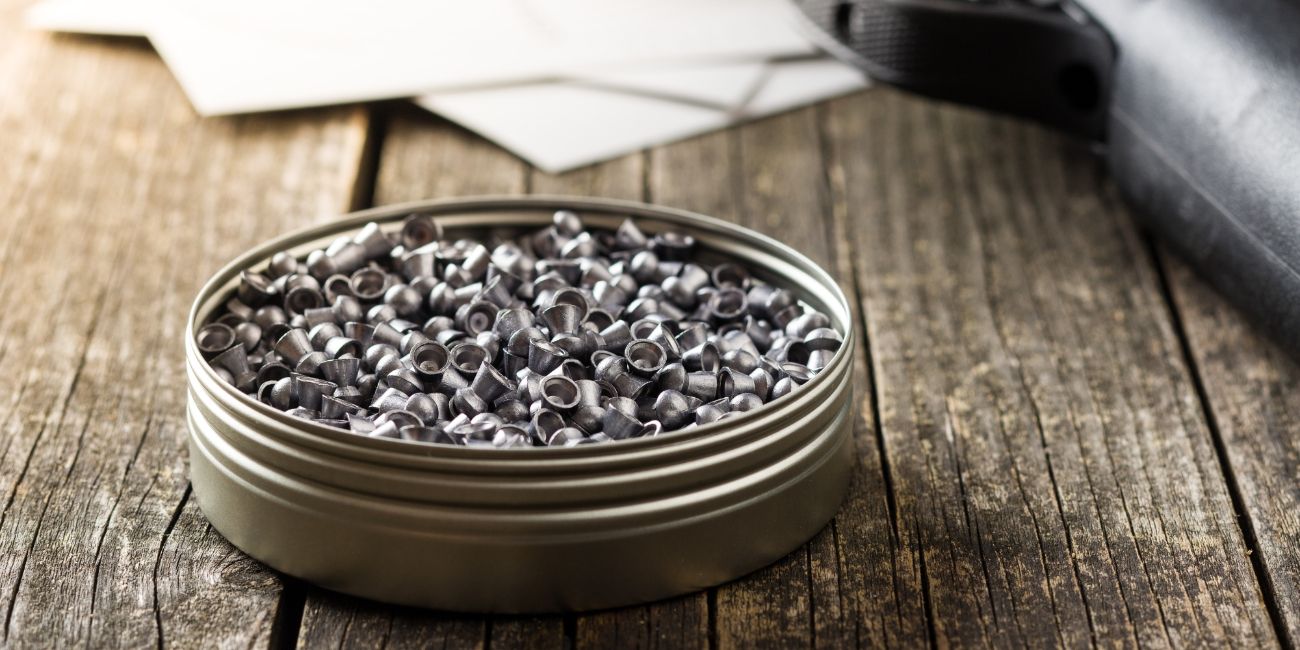
This classification would affect many voluntary deer managers who account for over 95% of the national deer cull. The work they do is a vitally important service to the country and essential for tree growth, biodiversity, and healthy deer populations. Sixty percent of those deer managers currently use a .243. Non-lead bullets used in .243 rifles cannot be guaranteed to stabilise and deliver a humane despatch of deer. The proposed timeline and classification of .243 as a large calibre rifle is likely to have a significant adverse effect on the ability to achieve the required national deer cull in a safe and humane way.
With this in mind, we will be urging Defra to disregard this recommendation from the HSE and classify .243 as a small calibre.

Next steps
Defra, the Scottish government and Welsh government now have 12 weeks to review the proposals, and either accept them in their entirety, or request more information from the HSE.
If, and when, these are accepted, the recommendations will form the basis of draft legislation to be presented to parliament. There is no fixed timeline for when the draft legislation could come into force as law.

BASC will be funding and conducting further research into bullet performance, with particular focus on the .243 calibre, to provide evidence of any potential issues and ensure the best outcomes for shooters moving forward.
We will continue to lobby and work with MPs and Ministers to ensure the final legislation is practical and based on evidence.