Nature recovery - something has to change
On the eve of the Restore Nature Now march, why are there no shooting, gamekeeping or major farming organisations involved?

As the general election campaign is in full swing and we are being bombarded with manifestos and promises from the politics of the main players. There are some major issues, some that seem to be unsolvable by any one party or by throwing more cash at them. There are fundamental issues that need to change if we are to achieve what we strive for.
The nature crisis may be way down the list of problems that the country faces, but to many it is important. On the 22nd of June a rally to ‘Restore Nature Now’ is being held in London, a sentiment close to my heart and most country folk, who live and work with nature daily.
However, when you look at the list of the 300 plus organisations that are supporting this initiative there are no fieldsports, gamekeeping or major farming organisations represented in this inclusive event. It is an eclectic mix but some of the more radical groups both large and small would happily see the demise of farming and fieldsports. This is where I have a problem.
In their manifesto, Restore Nature Now acknowledge that 70% of UK land is farmed and has a huge role to play and would like to see the support budget for nature recovery and climate doubled. The rest of their aims include:
- Make polluters Pay, end new fossil fuels.
- More space for nature, proper protection for nature and wildlife. Expand and improve protected areas and ensure public land and national parks contribute more to nature recovery.
- An environmental rights bill which would drive better decisions for nature, improve public health and access to nature.
- Fair and effective climate action as you cannot save nature without solving the climate crisis.
I think that most reasonable people would agree with most of those points, if, reasonable, well-informed folk with a realistic comprehension of nature make the decisions on how to recover nature.
I am not sure if a finger can be pointed at any particular body for the massive decline in nature in my lifetime. There is always finger pointing; farmers are always singled out as baddies. I would argue it is farming not farmers that has caused problems, but at our behest for cheap food.
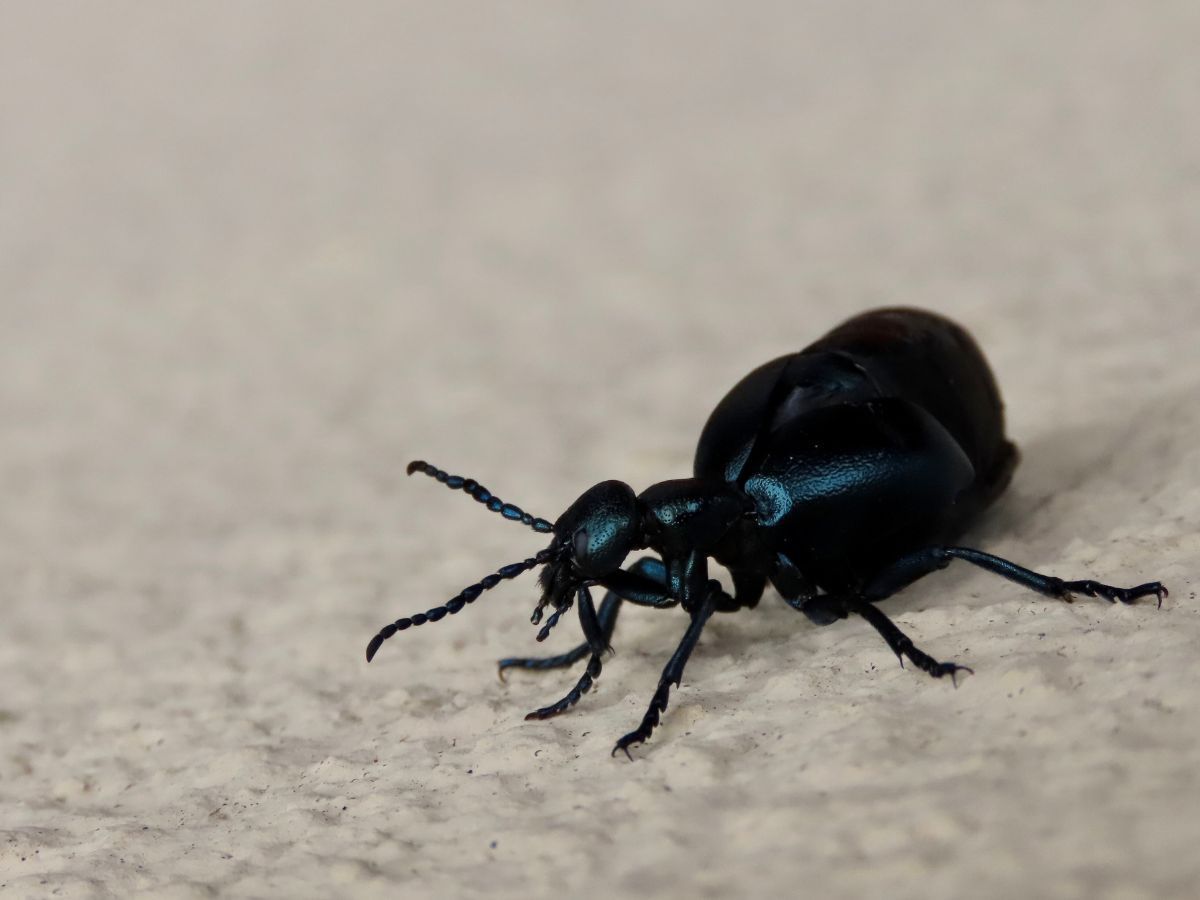
Decline is multi-faceted. Weather, predation, insecticides, food supply, habitat, most caused by human activity. The obvious ones, but there are so many more subtle and miraculous relationships between animals and plants and if one part is missing then the effect on that species is catastrophic. The red listed oil beetle for instance relies on a solitary bee to complete its life cycle and there are many more examples of dependency out there. We as naturalists/conservationists are incredibly good at monitoring decline but not very good at doing anything about it, this is where the problem lies. Inertia may be a large factor.
Over the years we could and should have done a much better job of looking after nature if we all allegedly care so much about it. There have been possibly billions of pounds gone into conservation over the last 50 years, with lots of schemes and initiatives to boost nature.
Set aside, introduced in 1988, was not designed for conservation but when 10% of land was taken out of food production, permanent set aside resulted in some really good working habitat that became home to lots of creatures.
In 2007/2008, when the EU ended the scheme, most farmers ploughed up these areas, many of which were the least productive areas on the farm. Then lo! and behold, another scheme comes along to save the nature that has just been destroyed, and the same bits of land are put back to conservation with no net gain and most likely a sink. Not the farmer’s fault but policy. Surely the government agencies should have recognised these species-rich areas and rolled them into the next scheme. We have had stewardships, ELS, HLS, Biodiversity Action plans etc., and here we are, one of the most nature depleted countries, despite the massive budget over many years.
So why is our nature in such a perilous state? Could it be that we do not concentrate on the needs of the flora and fauna, putting personal, ethical, political views that prevent us from doing the right thing at the right time for them?
Could it be that we Christen large areas of land SSSI’s SPA’s etc and hope that the designations look after themselves? The plants and animals don’t know these areas are designated. These high value areas have historically been chosen for the designations because it is how and who has managed them for generations that has made them special. In many cases that management has now ceased resulting in the tragic loss of the very plants and creatures that thrived before and not as a result of these designations.
Is it that we don’t act on the results of years of peer reviewed science, we just do more at great cost in time and money, then continue to ignore the people on the ground who work with nature every day?
Maybe one of the biggest reasons is the lack of accountability that cuts through nature conservation, from the farmer who cheats on his stewardship to the big NGO which watches their charges get eaten every year, the government bodies not monitoring or policing their responsibilities or a government that is out of touch. For far too long no one has been held to account for failing. A definition of madness is 'doing the same thing and expecting a different result.'
If we are going to stop and reverse the decline in nature, then we must deliver what we set out to do and that will mean doing the right thing, at the right time, no ifs or buts.
We must look at and learn from success, and there are plenty of examples. Elmley NNR, for waders, RSPB HAM wall for bitterns, The Peppering project for Grey Partridges, Knepp rewilding, the South of Scotland Golden Eagle reintroduction, to name but a few.
But we must also have an honest look at those projects that don’t deliver, large and small, whether it is a government body, a charity, an NGO, farming, forestry, and initiatives like biodiversity net gain, and make them accountable for delivering their prescribed objectives and have the power to put them right if they fail.
If we are going to restore nature, division is not going to help, we must have an honest, cohesive plan with clear objectives with the plants and animals’ best interest at heart.