Preserving Countryside Access: The World of Green Laning
Much maligned, and often misunderstood, green laning enthusiasts support keeping our ancient rights of way open for all to enjoy.


Green laning: What it is, and what it isn't
If you've ever spent a day in the great outdoors only to have the peace shattered by a crowd of quad bikes or highly modified 4x4s tearing through the moorland, kicking up dirt and dust, and generally behaving like something out of a Mad Max movie then you haven't encountered green laning enthusiasts who, alas, are often associated with the former rural terrorists. Green laning is a hobby enjoyed by those who enjoy exploring the unpaved roads of England in their roadworthy, taxed and MOT'd vehicles, and make as little impression as possible on the landscape or their fellow road users.
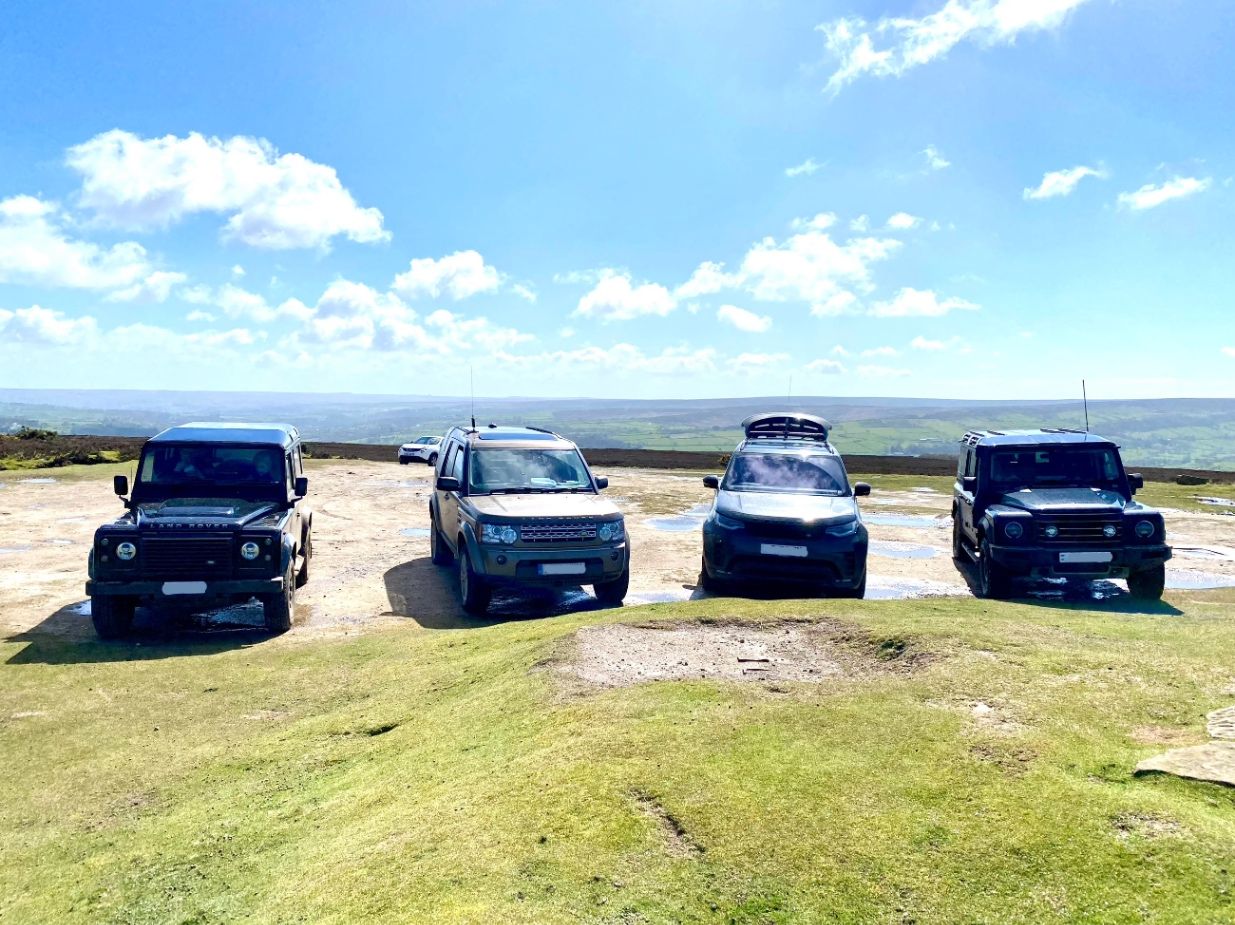
What road?
For roads are what they are. Thousands of miles of what people think are footpaths or bridleways are, in fact, unclassified roads (UCRs) or byways open to all traffic (BOATs). And, if motorised vehicles didn't enjoy these roads, they would eventually decay and become impassable to all users. Those who enjoy green laning are often members of the Green Lane Association (GLASS) or All Terrain UK whose representatives liaise with Local Authorities to keep lanes open. Members are encouraged to report early signs of damage so that roads can be proactively closed using traffic regulation orders (TROs) to prevent further erosion (often seasonal) and effect repair. Additionally, signs of 'off piste' activity are reported to the Police in an attempt to curb antisocial and damaging behaviour by the rural terrorists described above.
County Councils hold the Definitive Map of rights of way, but both GLASS and All Terrain UK have online platforms which record which UCRs and BOATs are open, and encourage members to report their use. A simple rule of thumb is to plan your route beforehand and, if in doubt, don't drive it.
Giving back
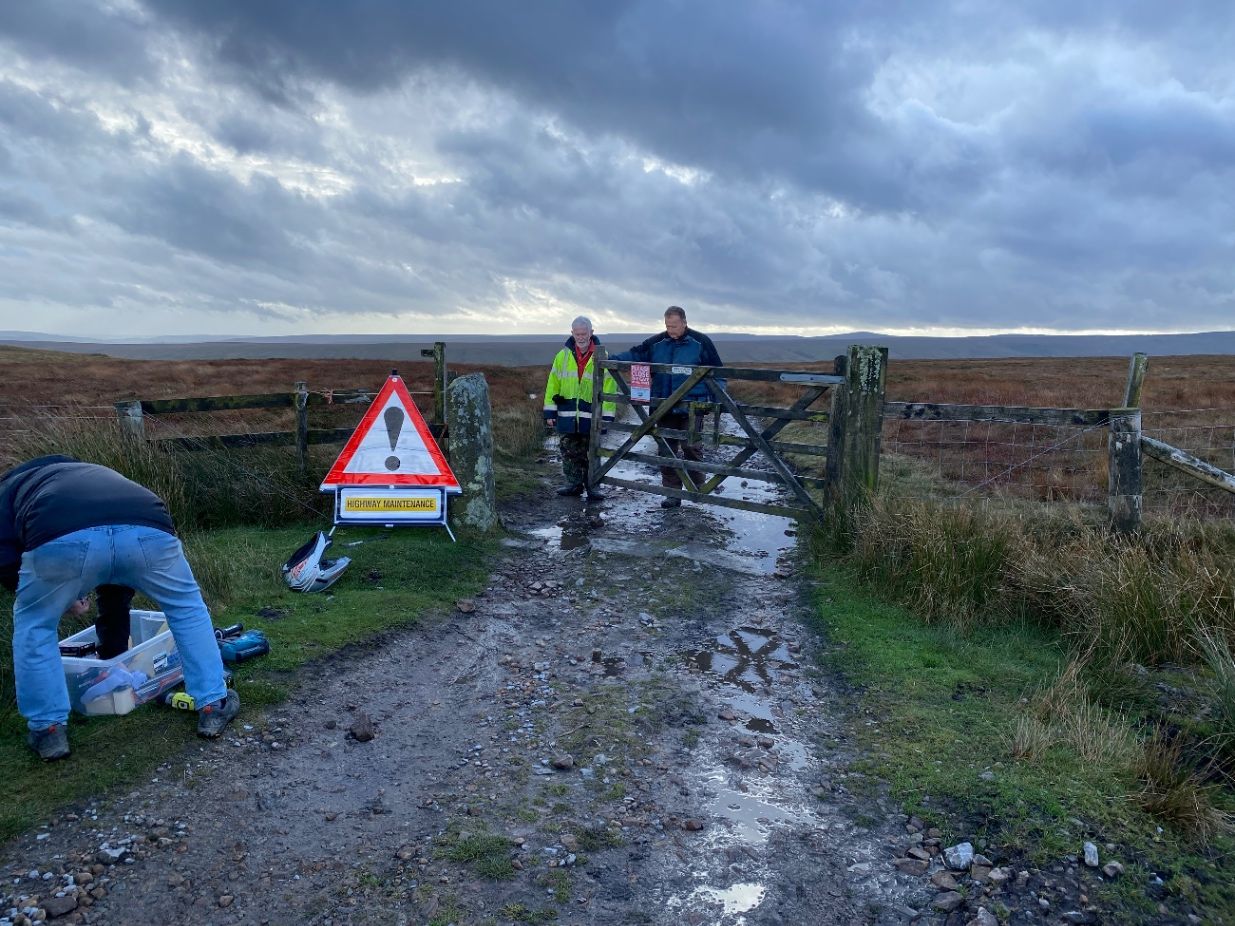
Members are encouraged to volunteer to help maintain and repair roads that are heavily used or prone to erosion. This includes repairing gates, digging out drains and grips, and cutting back overgrowth encroaching on the road. The work is undertaken by organised groups under licence from the Local Authority.
Codes of conduct
Green lane drivers are encouraged to make as little impact as possible. Drive at a gentle pace (no more than 12mph), don't leave the road to drive around immovable obstructions (such as fallen trees) but report these to the Local Authority through the associations. Obstructions can be removed using hand tools if, for instance, a branch has fallen across the road but the wood must be left for the rightful owner. Roads that have vulnerable surfaces should be walked before driving, and avoided completely after sustained wet weather. I haven't seen many (any) horse riders organise events to help repair unpaved roads, and cyclists' thin tyres dig channels in soft surfaces that the groundwater follows and causes further erosion, but it doesn't seem to stop them from riding routes in all weathers. Such codes of conduct, designed to protect our rights of way, should apply to all, not just motorised road users.
Groups should be kept small (no more than four or six vehicles) to avoid blocking a route and minimising inconvenience to other road users. It's polite to acknowledge others as you pass, and stop and chat about enjoying the countryside. It's also a kind gesture to offer to provide a lift off a hill or moor if the weather suddenly takes an unexpected turn for the worse, as British weather is prone to do.
Getting involved
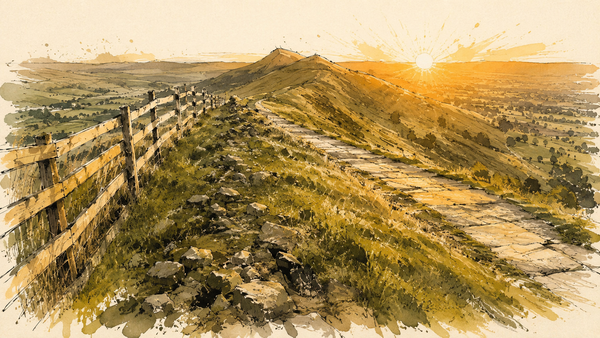
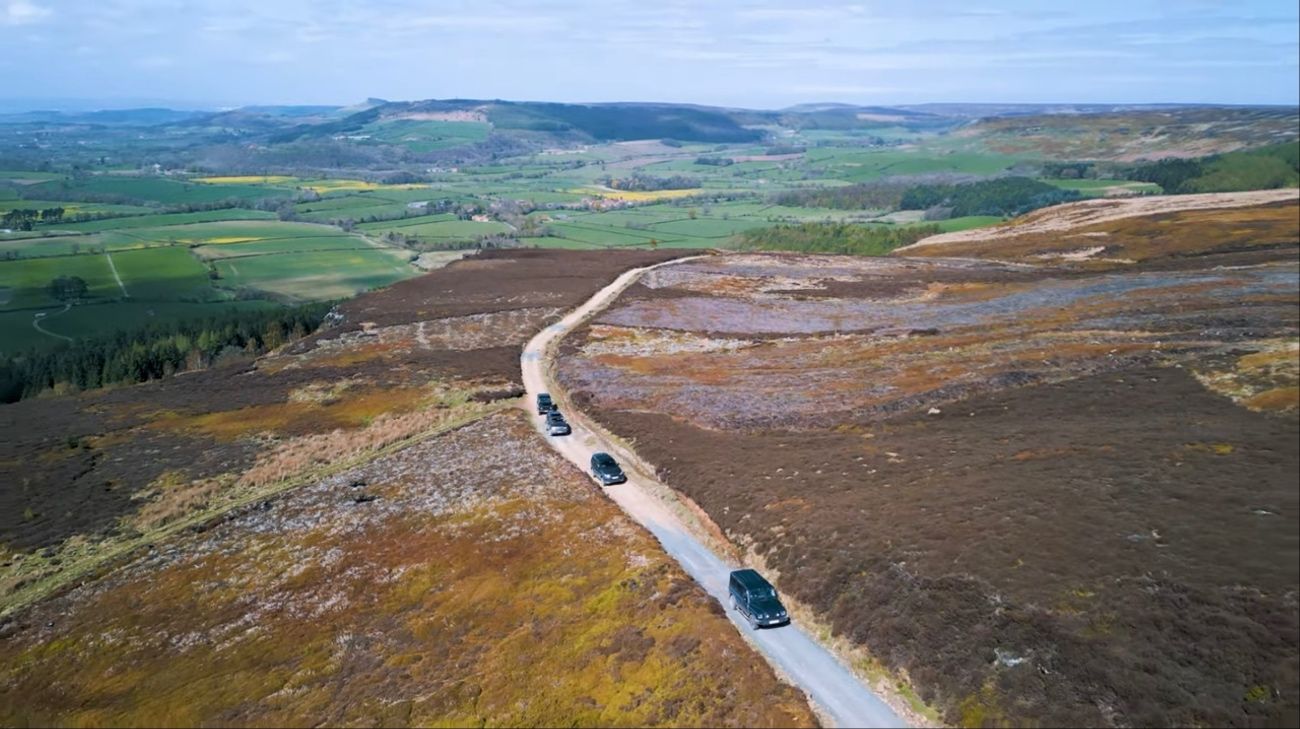
Anyone who owns an SUV can enjoy green laning. Roads that criss-cross the grouse moors and the like are often simply gravel tracks with some amazing views. Other unpaved roads can be more challenging to negotiate, with loose rocks or steep ascents, in which case vehicles with good ground clearance, low ratio transfer boxes and all-terrain tyres are better suited. There are plenty of groups on social media, such as the Yorkshire Green Lanes Non-Scratchy Group, or the Northern Greenlaners, with supportive members who will give you advice and take you out on one of their trips. Just look for a group local to you, there are plenty out there. Alternatively, choose a paid guide with a wealth of experience, like Russ of Ardventures.
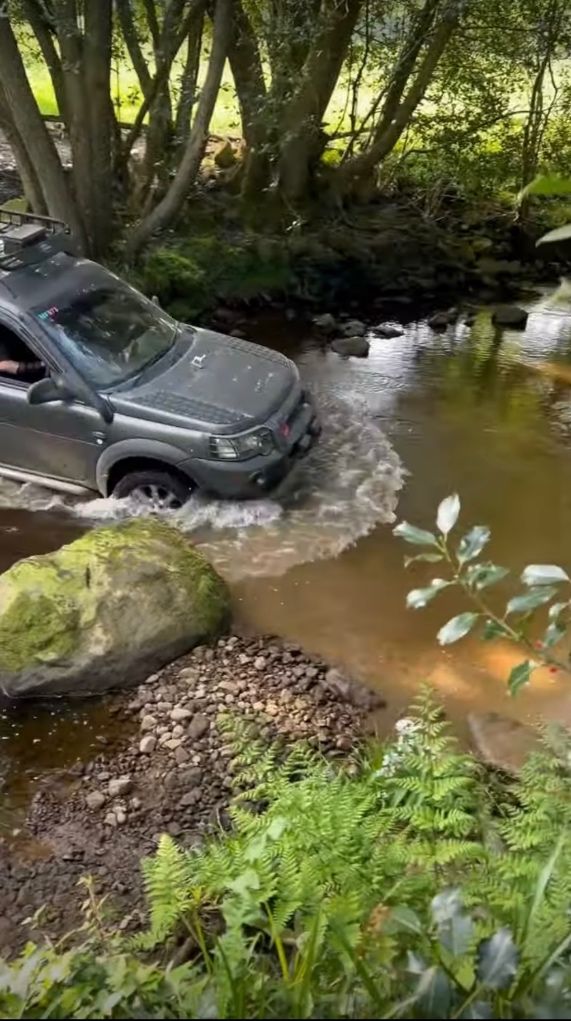
However you choose to get involved, driving the green lanes of England can be very rewarding. Just remember to treat the environment, and other road users, with respect so these ancient rights of way can remain open for all to enjoy for years to come.