The Best Chicken Breeds for Eggs, Eating and Entertainment
If you’re thinking about getting some chickens, or expanding your flock, you need to give some thought as to why you’re getting them and choose the right breed for what you want from your birds

.jpeg)
Just as there are working dog breeds for different jobs, there are breeds of chicken for different purposes. Some are egg-laying machines, others are bred for the table, some are all-rounders, while others are more ornamental. Some breeds are a bit more ‘wild’ and thrive in a free-range setting, while others need a bit more TLC and protection from both the elements and the attentions of foxes. Some breeds have a reputation for friendliness, while others can be a bit more aggressive. So which is the right chook for you?
The best chickens for egg laying
The Gingernut Ranger (Rhode Island Red x Light Sussex)
These ladies are almost archetypal - when I ask you to imagine a hen, this is likely the one that appears in your mind’s eye. And that’s for good reason: these girls are egg-laying machines, making them a very popular choice with garden poultry keepers and smallholders. Their large brown eggs arrive at a rate of nearly one a day, and they have a reputation as being very docile, friendly birds that are a good breed for anyone with young children.
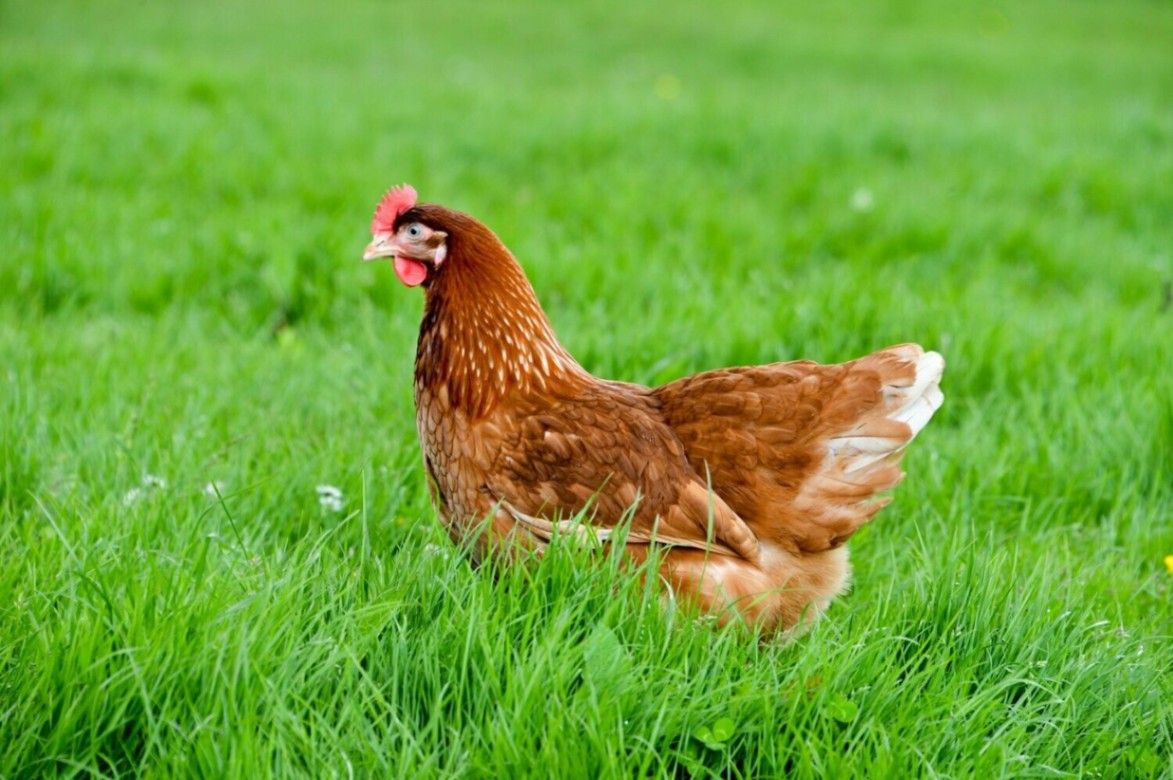
White Leghorn
These purebreeds are the standard commercial hen in the USA, in part because consumers there prefer their pure-white eggs, but also because each hen produces as many as 300 eggs per year. They’re known as strong flyers and being prone to wander, so they are best suited to a secure environment.
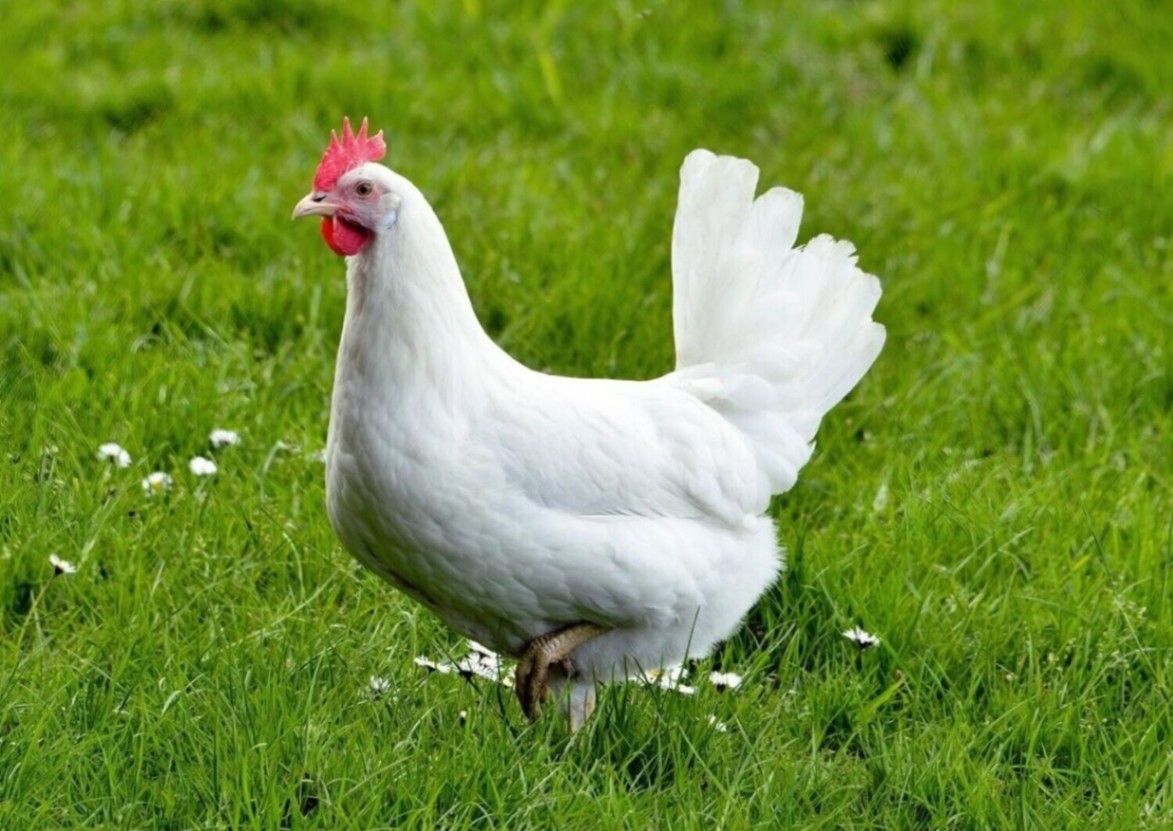
Barnevelder
These striking dark copper coloured hens may not be quite as prolific layers as the Leghorns or Gingernuts, producing about 250 eggs per year, but they have the advantage that they will continue laying over the winter when other breeds tend to slow down or stop laying. Their eggs are dark brown, and the birds are as friendly as they are beautiful.

What to feed egg-laying hens
If what you want from your chickens is a good year-round supply of eggs, as well as choosing a breed that’s known as a good laying strain, to make the most of their productivity you must get their nutrition right. As any gym-bunny will tell you, eggs are high in protein, so ensuring that your hens get plenty in their food is vital to ensure that they keep laying - if they’re lacking in protein egg laying is likely to dwindle.
There are specially formulated feeds designed to give your hens all the right nutrition. “Laying is quite a strenuous activity for hens,” says Lisa Mancell of Farmgate Feeds. “Our layer pellets and layer mash are formulated at 16% protein.”

One of the great joys of home-grown eggs is that the yolks are typically lovely and vibrant, which is often down to the hens’ diets. Feeding your hens a diet that is heavy on cereals will result in paler yolks, where as diets rich in carotenoids and a number of other compounds will have darker yolks.
Some commercial feeds include synthetic pigments, while some chickenkeepers ensure that their birds have access to plenty of greens such as kale, broccoli leaves and so forth. Free range hens which forage to supplement their feed are likely to get plenty of the compounds that give richly coloured egg yolks.
However, these are not the only nutrients that laying hens need. “Calcium is an important factor in laying hens, as it helps to promote not only strong bones, but also strong egg shells. Farmgate layer feeds are formulated with the optimum levels of calcium, but also phosphorus, and vitamin D3.”
Best chickens for meat
Most commercial ‘broiler’ chicken breeds are incredibly fast-growing, and the chances are that if you are interested in rearing your own birds for the table you’ll be looking for something rather slower growing. Traditional table breeds or crosses are likely to be your preferred choice.
Indian Game
Despite the name, these muscular birds were developed in Cornwall in the 19th century from birds imported from ASia. Their muscular stature is a result of them having been originally bred as fighting birds, but their large breast makes them a great choice for the table. They make a good free range bird as they are not particularly flighty - in fact they prefer a free-range environment to confinement. They grow fairly slowly.
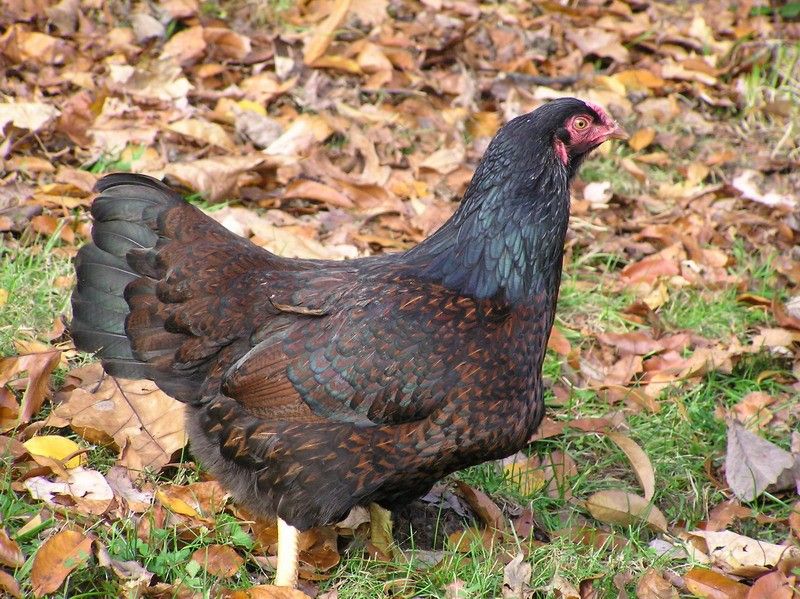
Ixworth
Named after the Suffolk village where their breeder was born, this breed was created in the 1930s as a top-quality table bird that matured quickly. When faster-growing hybrids came on the scene in the 1950s the breed nearly died out, but enthusiasts and rare breed conservationists brought it back from the brink. The Ixworth is a medium-to-large breed with a deep body and is regarded by many as giving the best eating of all the pure breed birds. Hardy, and good foragers, they’re a great free-range bird and are generally good-natured.
Best all-rounder chickens
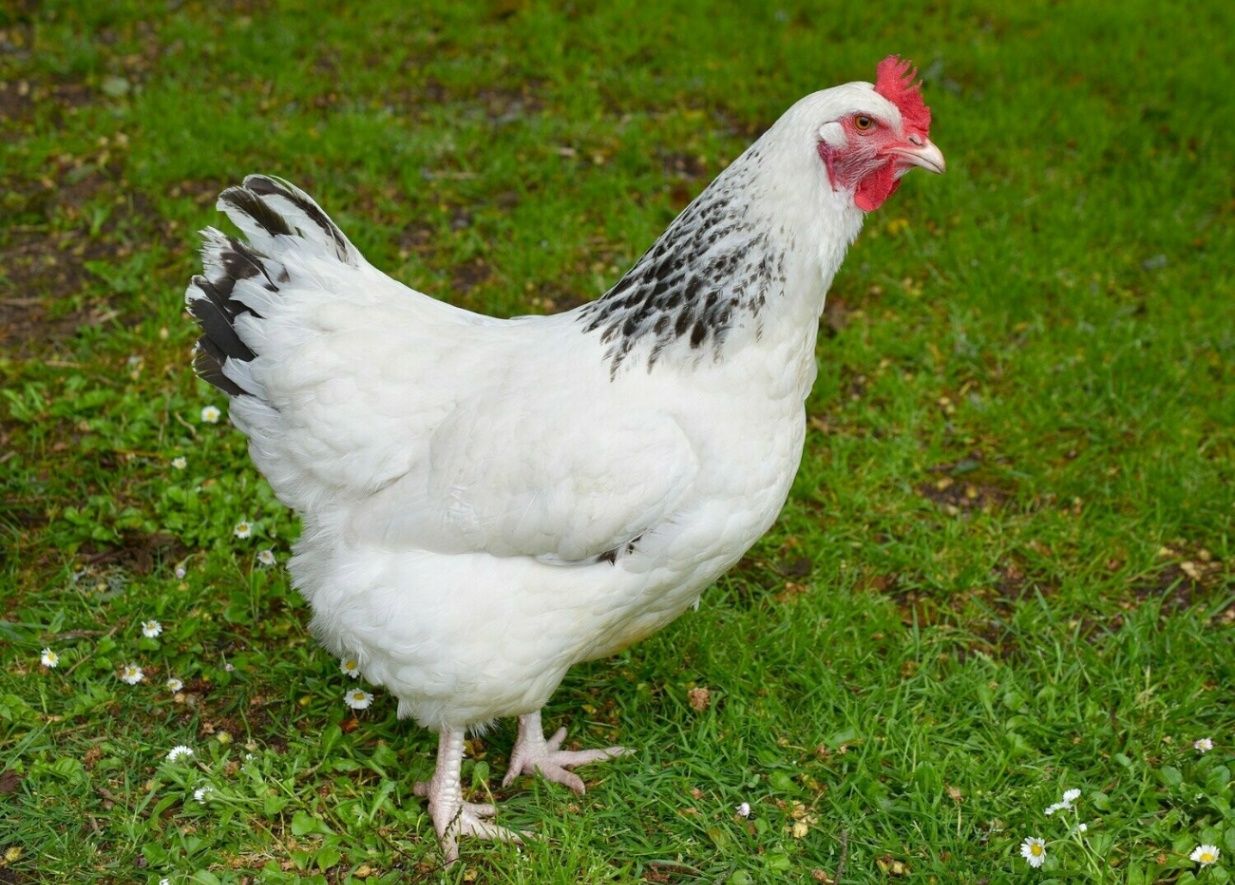
Light Sussex
Laying around 200 eggs a year, these medium sized birds are also good eaters. Digby Taylor, GunsOnPegs MD and enthusiastic poultry keeper, raises about 20 Light Sussex birds each year for the table. “We slaughter the birds at around 16 weeks,” he told me. “They don’t have the most meat on them, but they are absolutely delicious - closer to pheasant than supermarket chicken.”
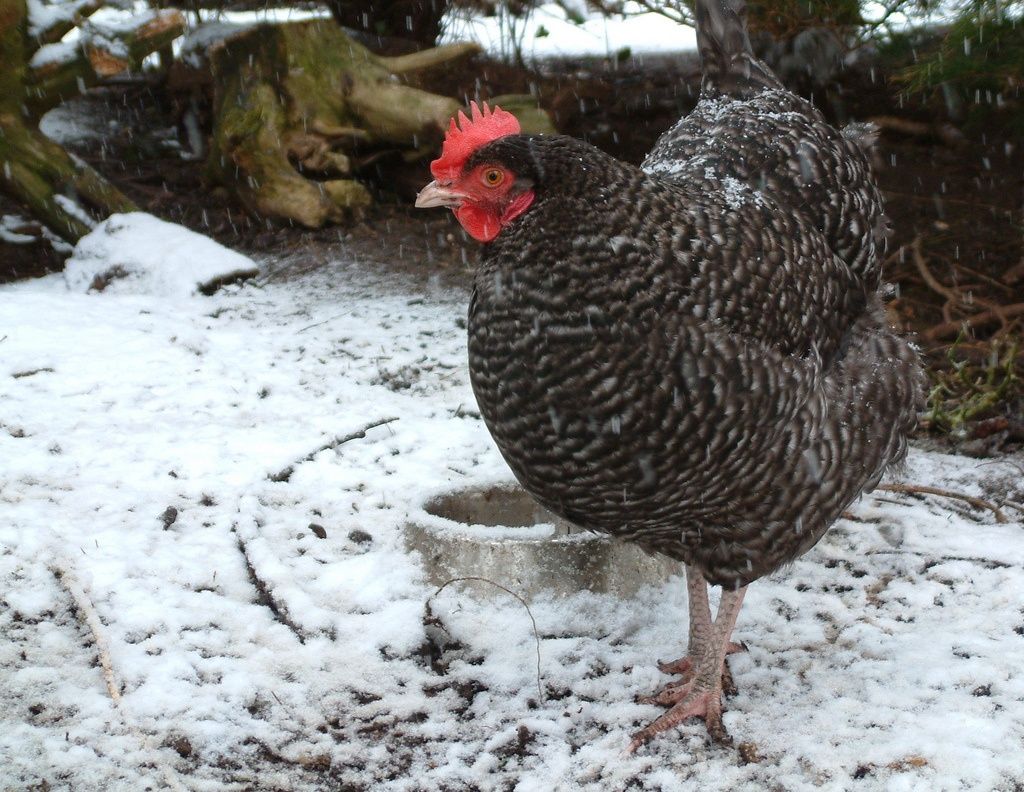
Marans
Originating in the town in S.W France from which they derive their name, Marans are not only attractive, with their dark feathers tipped in white, but they lay lovely dark brown eggs and are good eating too. They are not the most prolific layers, giving between 150 and 200 eggs per year.
Orpington
Named after a village in Kent, Orpingtons are available in a variety of colours and are immediately recognisable by their thick plumage. They are big birds, made to appear bigger owing to their profuse feathering, so if they are to be kept in a run they need plenty of space and low perches. They will produce about 150 eggs a year and being a big bird, are great for Sunday roasts if you have a big family.

What to feed chickens intended for the table
When rearing chickens for the table, getting the chicks off to a strong start in life is important. Andrew Fothergill, National Poultry Adviser for Farmgate feeds recommends that chicks are fed a starter crumb “for the first two to three weeks, until it is able to consume a pellet – and then ideally a rearer diet to allow it to construct a good strong skeleton up to maybe 6 or 7 weeks. Farmgate’s Rearer Pellets ACS are rich in amino acids and minerals to help promote strong bones.”

Finally, birds should be moved on to a finisher diet to deliver the necessary lean and fat mix to produce the most succulent, tasty and moist meat for the table.
Andrew adds a word of advice with regard to medicated feed. “We would always recommend using a feed containing a coccidiostat to control coccidia parasites, and so you need to plan to observe the maximum age that coccidiostats can be fed to (typically 16 weeks) and have a plain withdrawal period (dependent upon the coccidiostat) before killing the birds, in order that they can clear their systems of any residue that shouldn’t be in the meat.”
Best ornamental chicken breeds
There are so many breeds of chicken and so many variants within those breeds, not to mention all the crosses, that it would be impossible to choose just a handful as the ‘best’, especially since beauty is in the eye of the beholder. Instead, below I have attempted to give a decent cross-section of the kinds of ornamental breeds you can find out there, influenced a touch by my own personal preferences. There are hundreds of amazing looking chickens out there and you can have lots of fun choosing the ones that make you laugh the most.
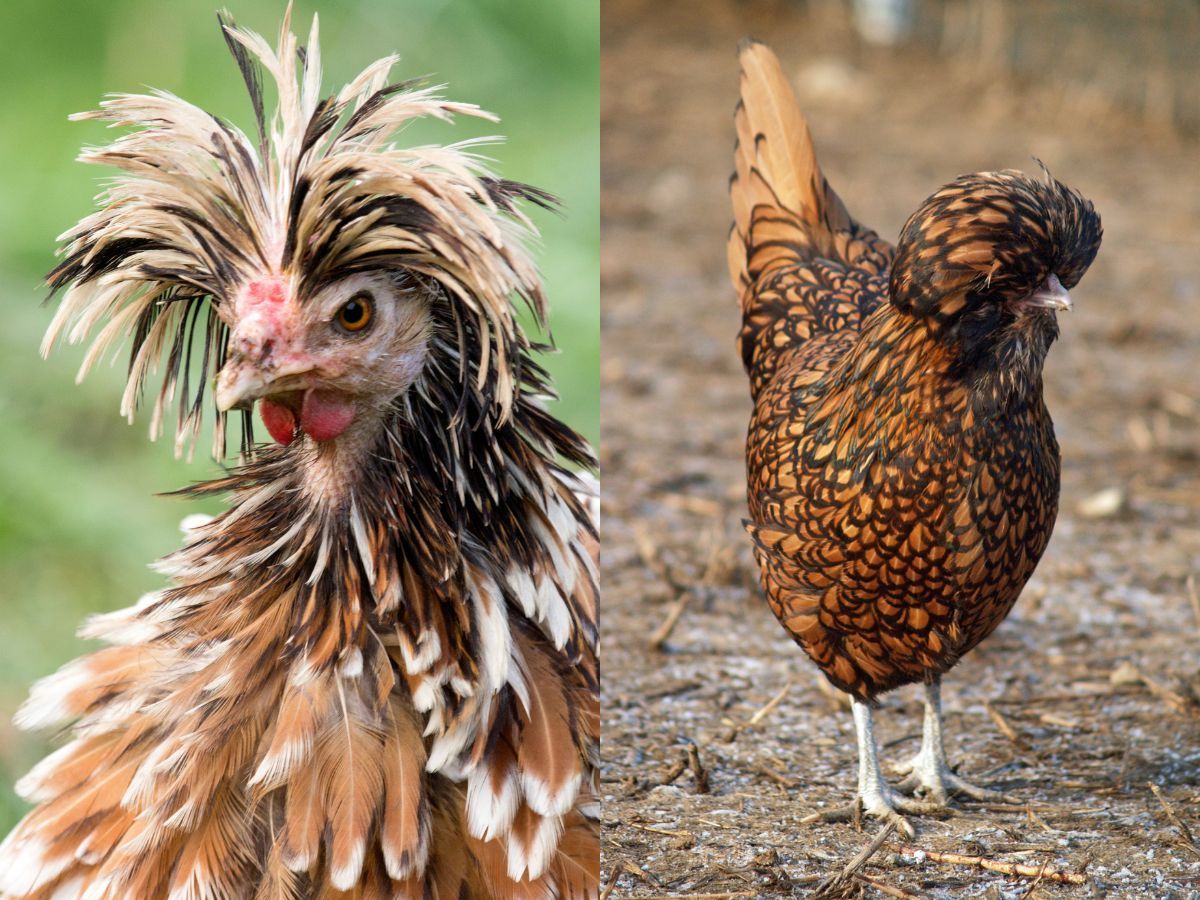
Polish
Despite their name, these birds are actually Dutch in origin. They have an extra piece of bone on their skulls that forces their head feathers into a distinctly 80s rock bouffant style. They’re available in all sorts of colours, including the striking black and white. Despite their fancy looks, they’re pretty decent layers, giving about 150 per year.
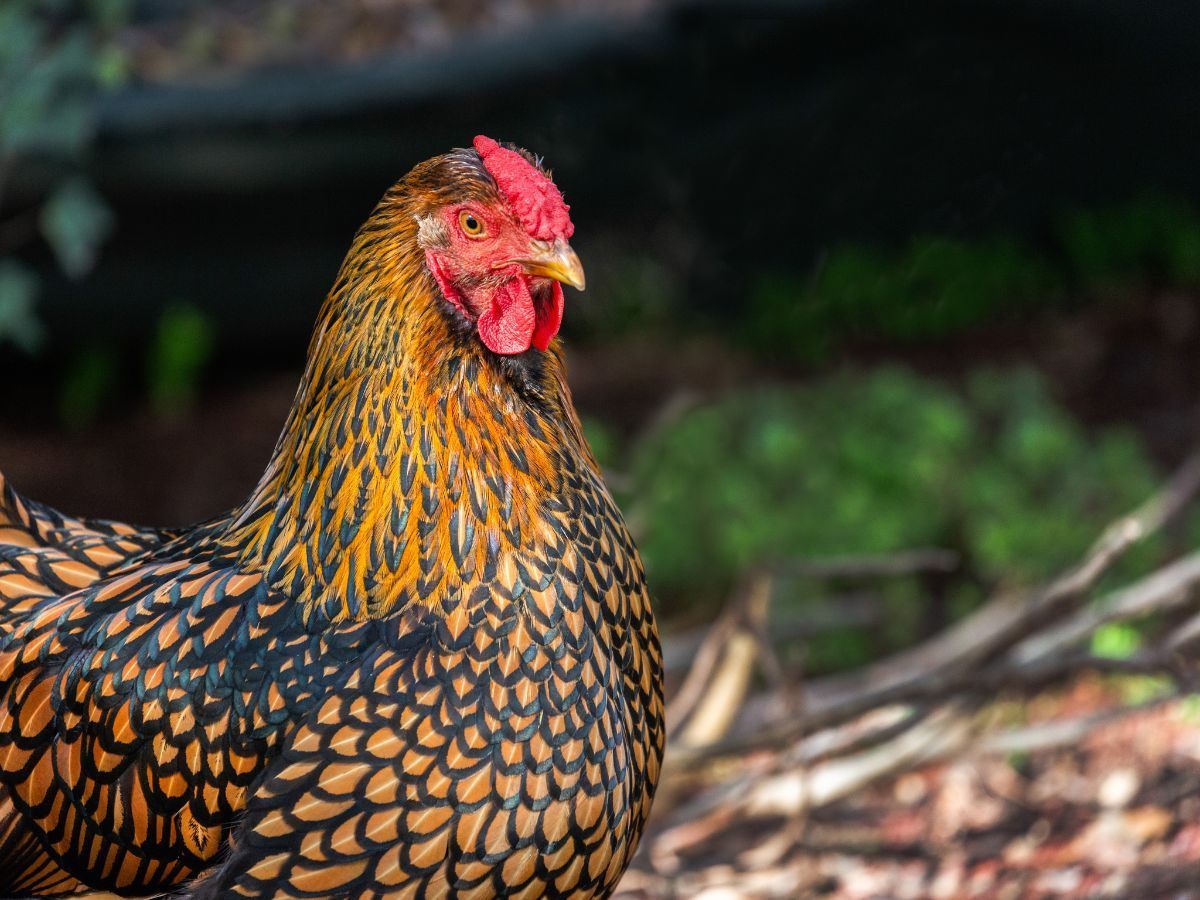
Wyandotte
As Wyandottes are dual-purpose hens they are good layers. They are also popular with garden chicken keepers because of their docile nature. But with thirteen standardised colour varieties, they’re just as popular for their looks. Among the more elaborate varieties are the ‘laced’ breeds, which have either white or black edging to their feathers, and the ‘partridge’ or ‘pencilled’, whose feathers display a herringbone-like pattern.
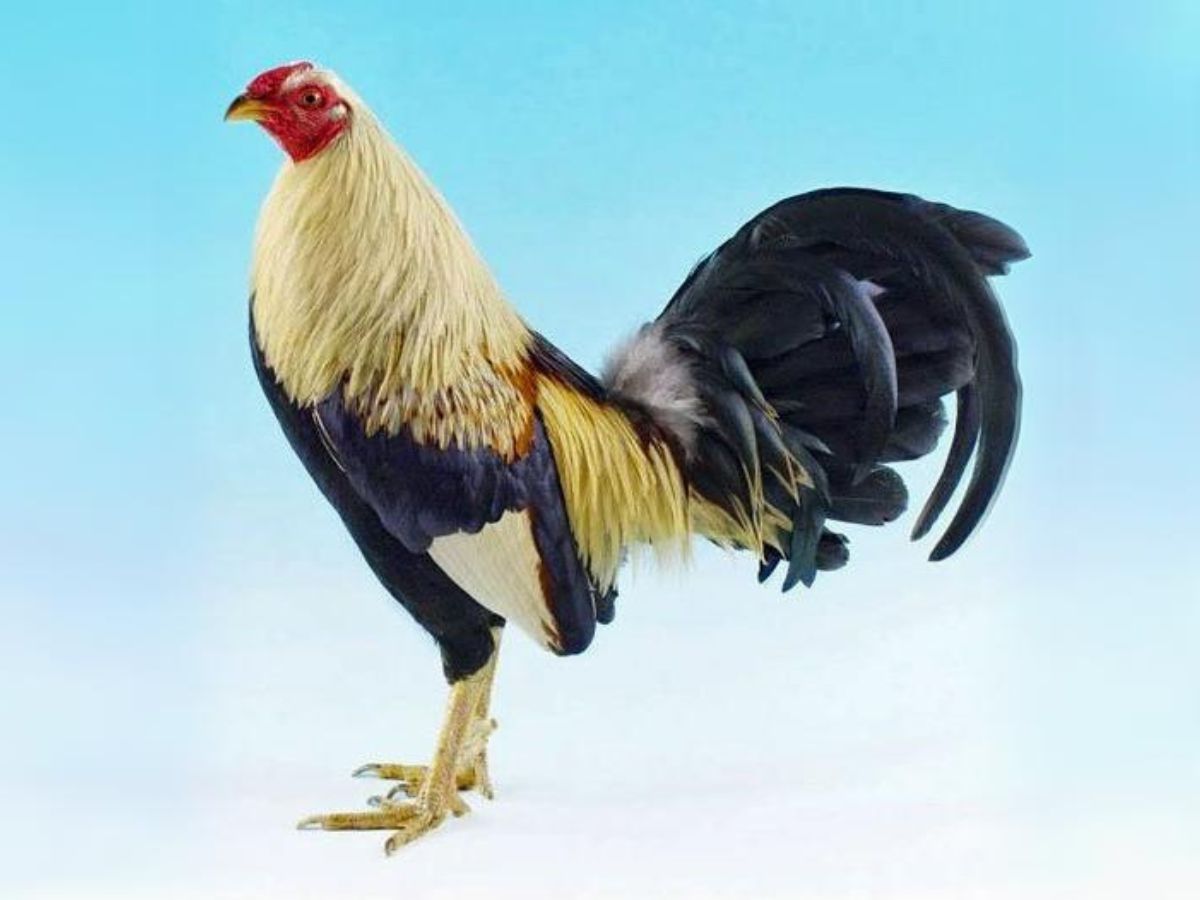
Old English Game
These leggy birds were most likely originally bred for the fighting pits, and as such they are of a fierce disposition. The cockerels in particular are especially striking, standing tall with long curving tails, powerful legs and curved beaks. This being said, the hens are also very attractive birds.
Their aggressive nature means that they are not suited to living with other more docile breeds, and you should only have one cockerel at a time lest they revert to type and have a go at each other. On the other hand, the cocks' aggressive disposition means that they’re excellent at protecting their ladies from intruders.
Silkie
At the other end of the scale are the soft-feathered silkies. With their pom-pom hairdos and fluffy feathers, they’re immediately recognisable. They come in a wide variety of colours, are docile and don’t tend to fly. They’re also reliable layers. However, they are best known for their strong brooding instincts, and in times gone by gamekeepers used Silkies as surrogates to rear game bird eggs, so if you want to hatch eggs, Silkies are a great choice.

Nutrition for excellent plumage
If you’re basing your choice of chicken breed based on their appearance, and especially if you plan to show them, you’re going to want to ensure that your birds have the best possible plumage. As you might expect, the right feeding regime is key.
“Feathers are comprised of over 85% protein,” says Andrew. “The mixture of amino acids in feather protein is quite different to that in other tissues. A properly formulated compound diet will help ensure that the amino acids required for feather growth are available to the bird. Maintenance of the feathers is through the application of an oily substance secreted from the preen gland on the rump of the bird, which the birds are able to apply through their natural preening behaviour. This keeps the feathers supple and waterproof. Provision of a suitable diet helps ensure the birds can generate the necessary secretions to support this vital activity.”
Another thing to look out for if you are trying to ensure beautiful plumage is to minimise any inter-flock pecking. To do this ensure that your birds have plenty of space and enrichment in their environment to prevent your birds from getting bored.