The dead sheep bounce
All sheep die – some more adventurously than others – but disposing of them is getting harder as new practices affect both hunt kennels and small abattoirs.


Everyone knows that a sheep’s main aim in life is to die. Sometimes they find creative ways of doing this, such as getting ensnared in brambles, or falling into a stream at the bottom of a deep and distant ditch.
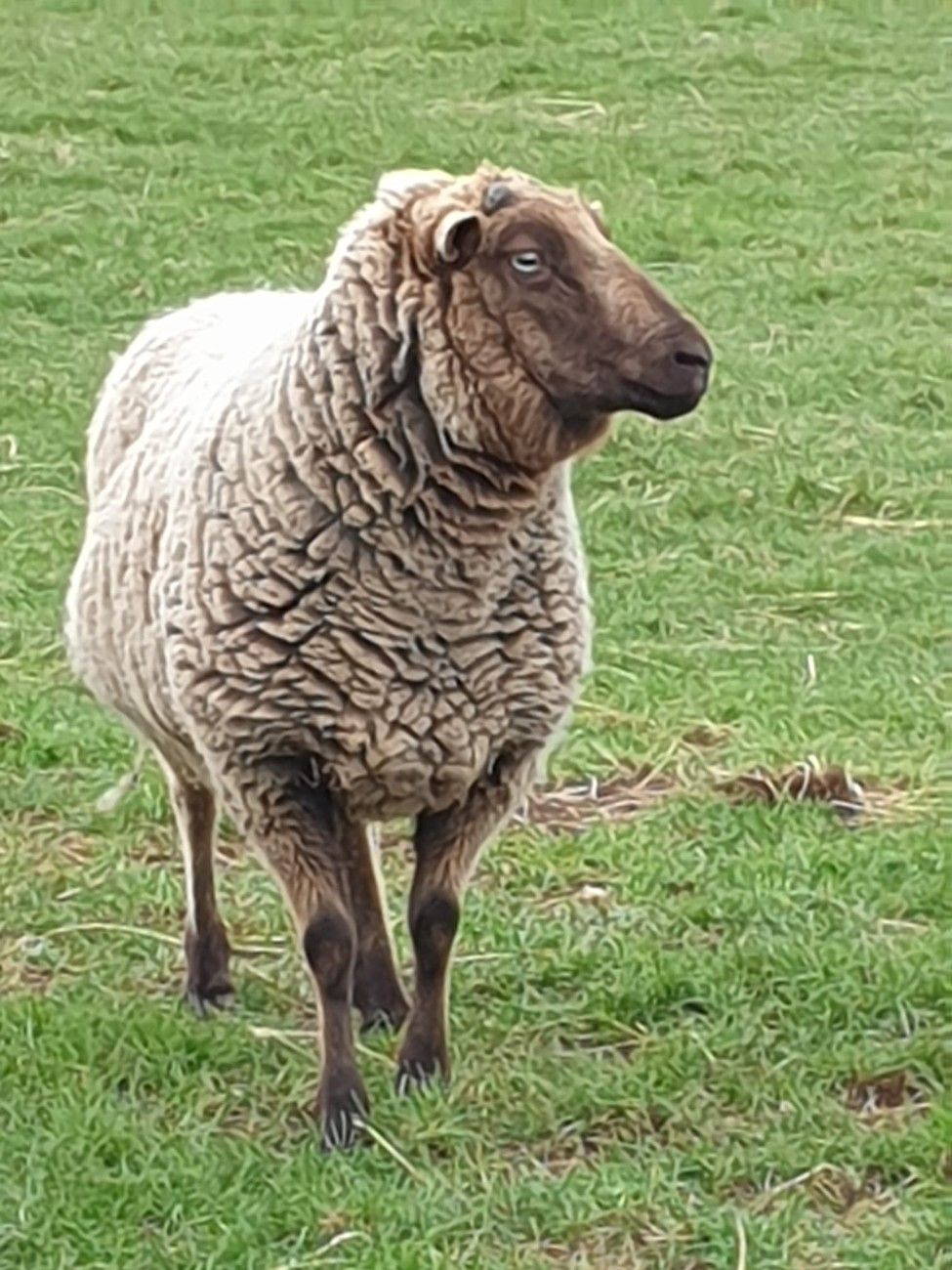
Disposing of them is part and parcel of sheep husbandry. Until recently this process fitted into a countryside cycle that included the hunt kennels. But around here this process has become a lot more challenging, even for hobbyists like me, with eight small Shetlands and an underemployed ram.
Doing the decent thing
When my oldest ewe looked like she was finally going to give up the ghost, a few months after producing her final triumph at the age of 16 – an unexpected bonus lamb that appeared, embarrassingly, in June – I rang Donald, a gamekeeper and ex-neighbour, to ask if he could do the decent thing. I didn’t want to find her the next morning barely alive with her eyes pecked out by crows.
Donald explained he was enjoying a fishing trip in Beauly with his son some 500 miles away, but within minutes he had contacted kindly Roger who turned up pronto with his .22.
Roger is not young and I am not strong, but after he’d done the necessary deed, we heaved her into the wheelbarrow and took her to the shed of rest. A year ago, we’d have put her in the back of the Land Rover and taken her down to the nearby hunt kennels: a helpful service in exchange for a small fee.

Now the hunt has moved away, and the hounds in their smart new kennels are fed a diet of trimmings from Ginsters the pasty company. I don’t know if this has boosted their performance on the trail, but I do hear that some farmers are no longer keen to have the pack on their land without the quid pro quo of having an outlet for their fallen stock.
Instead – as natural burial is not permitted for farm animals even while it is growing in popularity among humans – I called one of the numbers provided by the National Fallen Stock Company. All of them are over 30 miles away.
A few days later, during which time the local maggot population increased exponentially, cheerful Danny arrived to take her away for £35. He had in the meantime advised me to put her in a one-tonne polypropylene bag to make it easier for him to pick up ‘if she begins to break down.’ Having rolled her into his truck, he handed me back the bag to wash out and keep.
Final journey
The other route to disposal, for healthy sheep, is the abattoir. Every October we load a dozen seven-month-old lambs into our small trailer and take them on their final journey – happily, a mere ten-minute trip.
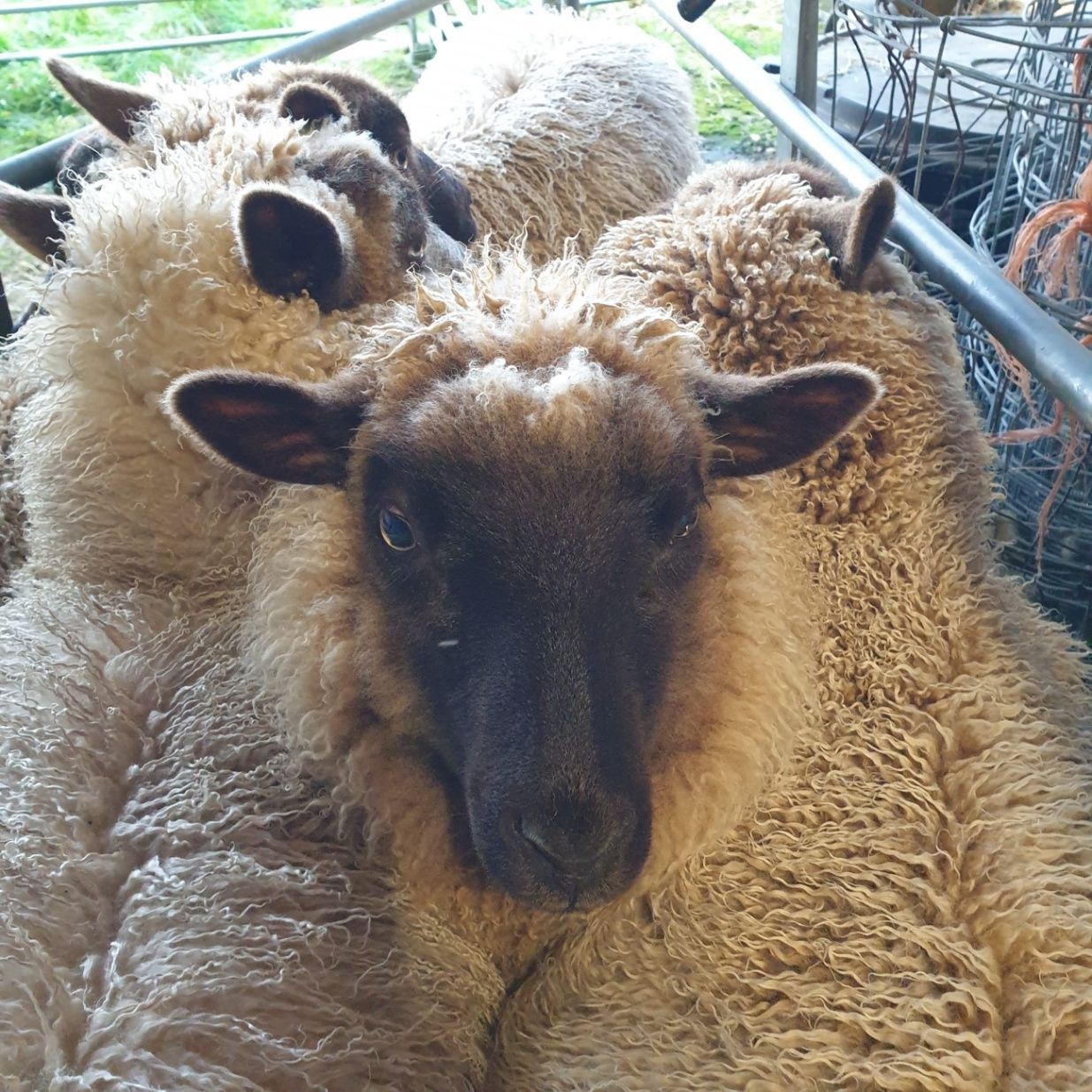
Despite the trauma involved – usually just as related to doing a three-point turn with a trailer in front of an early morning queue of farmers as it is to saying farewell to our bright-eyed lambs – we are always keenly aware of our luck in having a small abattoir so close by. Now this, too, is about to change.
Overwhelmed by a perfect storm of increased red tape, higher costs and a building deemed unsuitable for modern animal killing, and doubtful that Defra’s too-little-too-late £4 million national fund will be enough to save it, the abattoir will be closing its doors at Christmas.
Local meat off the menu
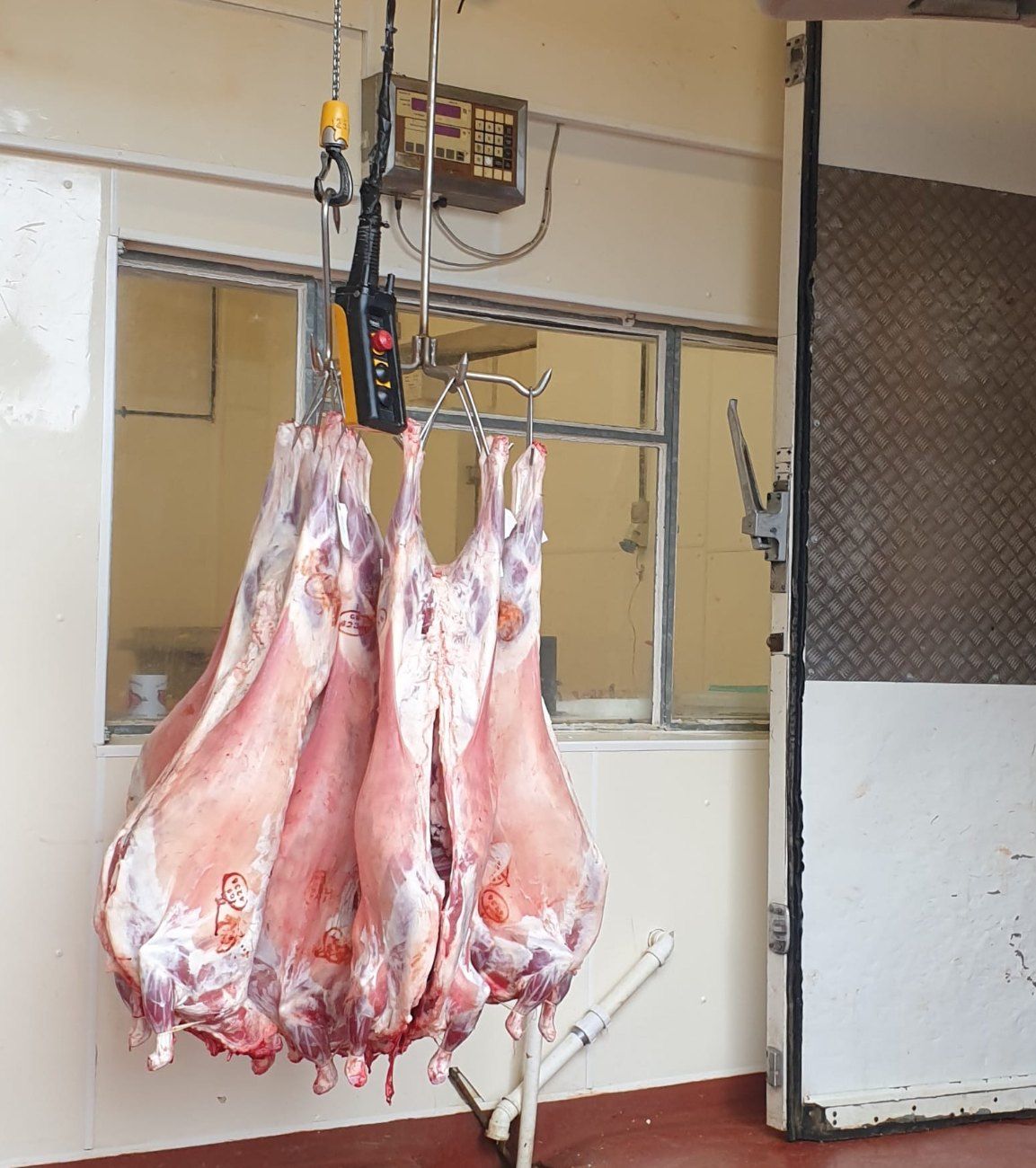
The knock-on effects will be felt in many ways, not just by the area’s gastropubs who like to promote local meat on their menu. The butcher who hangs and cuts up my carcasses – himself having had to seek freelance employment since his shop closed – suggests the nearest alternative abattoir. It’s 50 miles away. The prospect of a long-distance commute to an unfamiliar destination is too much.
I, like many others, will be drawing a line under my home-grown lamb endeavours. This means no more breeding. Unfortunately, the ram was already out with the ewes by the time I heard the news about the abattoir, but I am considering his options. I think of Roger and his rifle.
Another possibility, suggested by nearby farmer James, whose own flock is threatened by a rewilding project, is that my ram joins his cull ewes when they are picked up by a local carrier. Then at least I’ll get something for him. I ask what happens to these animals. Oh, says James, they go into pies and the like.
Perhaps the local hounds will get to enjoy my sheep after all.