The Deer Parks of Durham: Status and Rivalry.
For over 800 years the deer parks and hunting grounds of County Durham not only provided sport and food, but were symbols of high status and created intense rivalry between members of the Church elite.


During his early reign, William the Conqueror came to realise that England needed protection from Scottish invasion and decided to create deputies in the north of England with the power to impose taxes and conscript fighting men. These King’s representatives became known as ‘Prince Bishops' and effectively ruled the North East for nearly 800 years, acquiring great wealth and unwaveringly high status. As a steward of one Prince Bishop related in the 13th century;
“There are two kings in England, namely the Lord King of England, wearing a crown in sign of his regality and the Lord Bishop of Durham wearing a mitre in place of a crown, in sign of his regality in the diocese of Durham”.
During the medieval period, the deer parks and the large hunting grounds owned by the Prince Bishops became important status symbols as hunting deer was an activity exclusive to the elite in society. The Prince Bishops owned over twenty parks and hunting grounds including the 150-acre park next to the Bishop’s Palace at Bishop Auckland. Archaeologists from Durham University have recently excavated nearly sixty boxes of animal bones from an area that was once the Castle’s Great Hall and kitchen. These remains are evidence of the opulent lifestyle enjoyed by the Bishops and their guests. As well as deer hunted from the nearby park, the remains also included fish from well-stocked ponds as well as sheep, cattle, rabbit and even birds of prey.
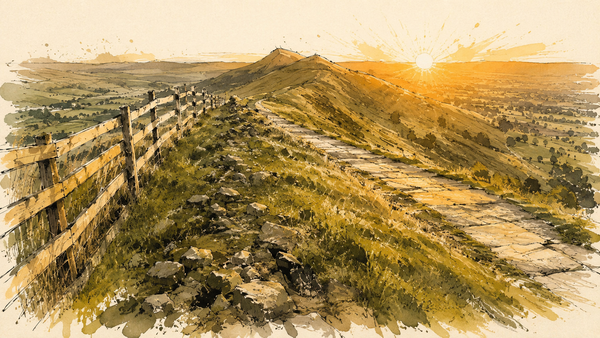
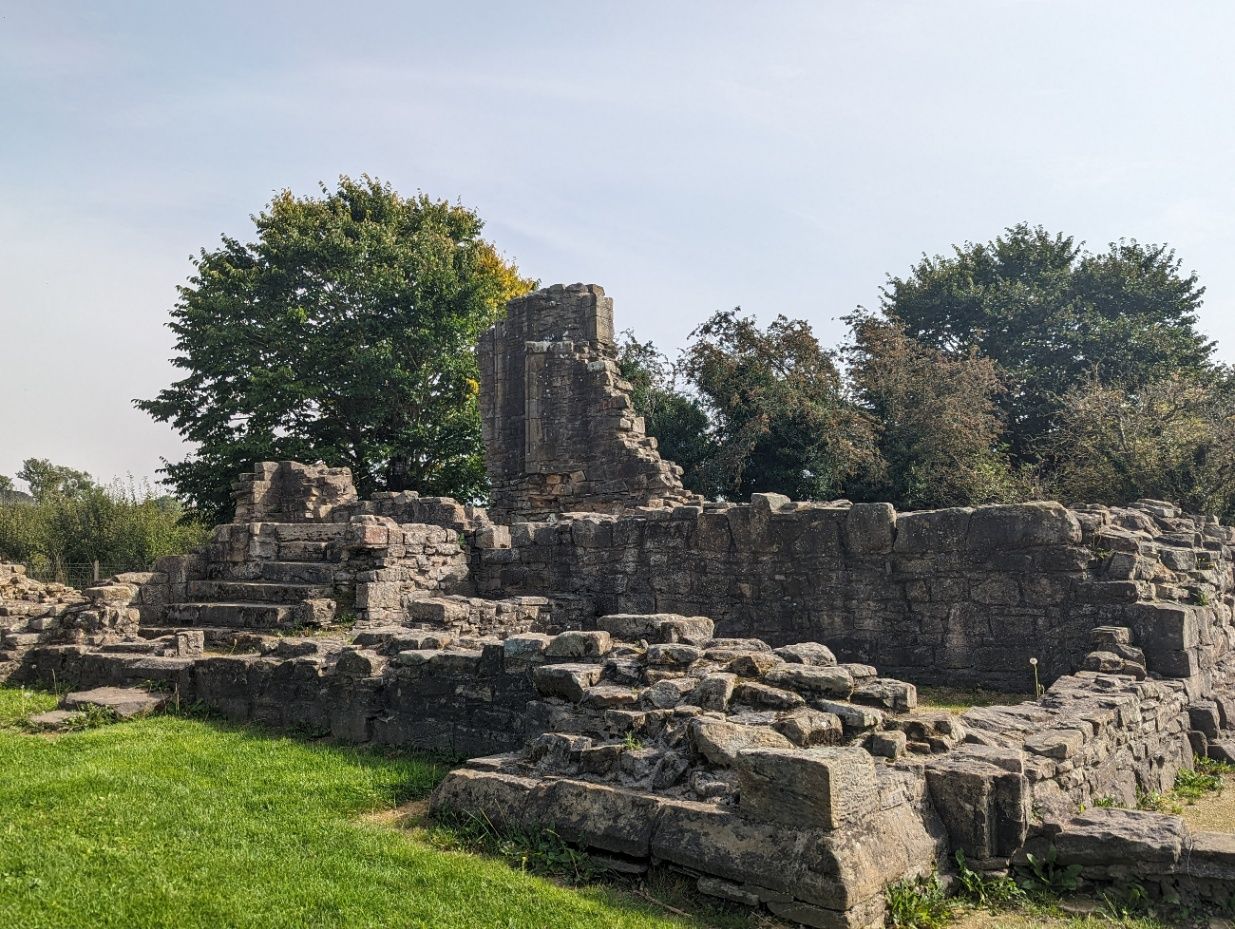
It was not just the Prince Bishops that displayed their wealth and status through their deer parks and hunting grounds. Bertram, the Prior of Durham in 1244, created “Beaurepaire” a large Manor house with a deer park and fish ponds described by the historian Barrie Dobson as “the most luxurious and most valued residence of the ruling superior”. The ruins of Beaurepaire, (“beautiful retreat”), stand on a hill near Bear Park village two miles from Durham and offer a wonderful view over the Durham countryside. Standing on the hill amongst the still impressive building remains, it is easy to imagine the Prior and his high-status guests admiring the deer Park spread out beneath them.
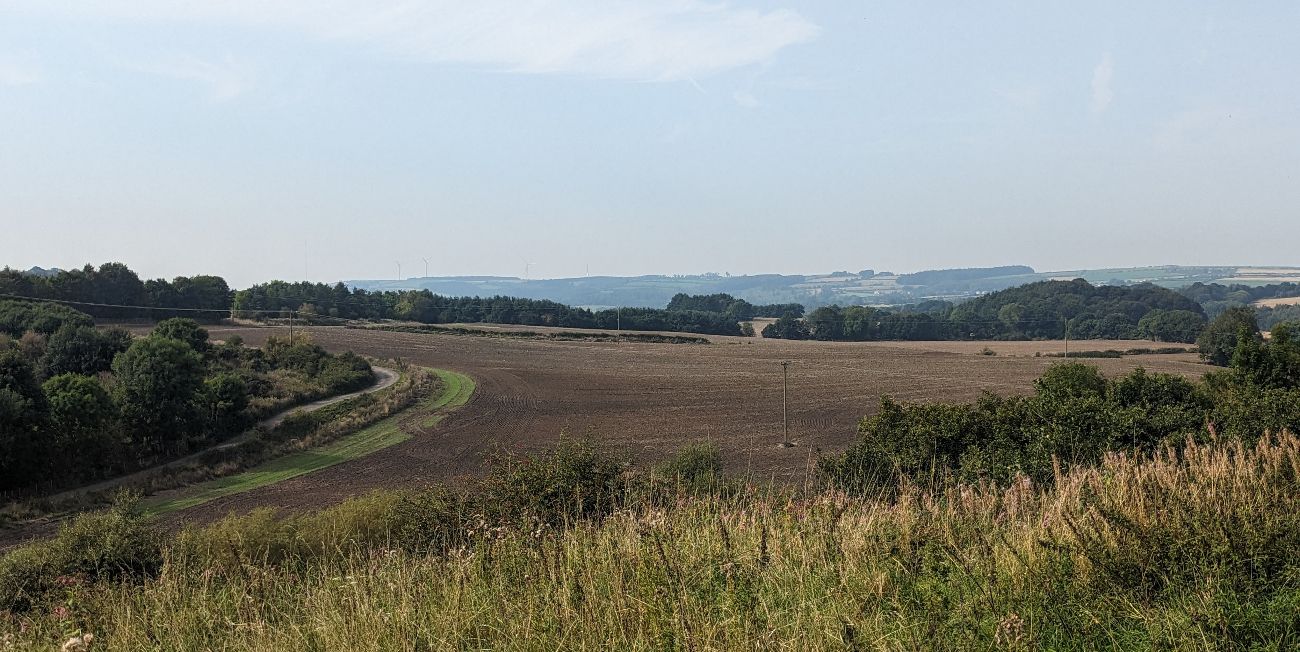
The importance of the deer Parks to the church elite created an intense rivalry between the Prince Bishops and the Priors of Durham. Archbishop Bek, (1245 – 3 March 1311), initially supportive of the Prior’s residence at Beaurepaire, attacked the retreat, taking control, evicting the monks and livestock. Chroniclers of the time speculated that this action was not only a way of emphasising the Prince Bishop’s authority. but was an act of pure jealousy because Beaurepaire was acknowledged to be superior to his deer parks and was close to Durham!
Acknowledgements: Daniel Weiss, North Peninne’s Virtual Museum, Andrew G. Miller, The Auckland Project, Discover Weadale, England’s North East, Durham World Heritage Site, English Heritage, John Langton and Durham University.