The Hunting Bans Have Been a Disaster for Wild Animal Welfare
The first investigation into the impact of the 2004 Hunting Act and its equivalent in Scotland tells a grim story. Instead of making life better for the fox, brown hare and red deer, they have done the opposite. There is now more suffering, not less

Here are glimpses of the British countryside most people won’t see in 2024:
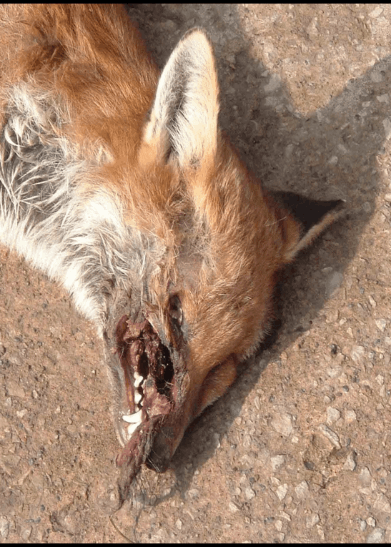
· a dozen foxes hung up on a farm gate in West Wales by the men who shot them the night before – just to show what they’ve done.
· A pyramid of fox corpses outside the back door of a gamekeeper’s house on an intensive shooting estate in Devon.
· Fox cubs starving to death in their earths because their mothers have been killed.
· Broken gates, damaged crops, terrorised farmers and a pile of dead hares on a farm track in East Anglia – the calling card of the illegal hare coursers who plague the eastern lowlands.
· Sick, diseased and injured red deer dying a slow and painful death in forests on Exmoor because huntsmen can no longer use a full pack of hounds to find them.
You can attribute all these things, either entirely or in part, to the 2004 Hunting Act, a piece of legislation that was supposed to make life better for the quarry species, but which in many ways has made it worse.
Worse welfare, not better
In a book published two years after the passage of the Act, Rural Rites – Hunting and the Politics of Prejudice, I predicted that the legislation would fail to improve wild animal welfare and would almost certainly have the opposite effect. That is precisely what has happened.
Parliament may have spent a staggering 700 hours discussing and debating hunting with dogs, but many MPs paid no attention to the facts. They simply wanted to ban an activity carried out by a group of people they despised – snobs and yobs, as one Labour MP memorably called them. They used animal welfare as a Trojan horse, encouraged and guided by animal rights groups.
Astonishingly, neither the organisations which represent hunting, nor the organisations which spent an estimated £30 million on campaigning for a ban, nor the government itself, have commissioned studies to assess the impact of the Hunting Act and its equivalent in Scotland on the fox, red deer and brown hare.

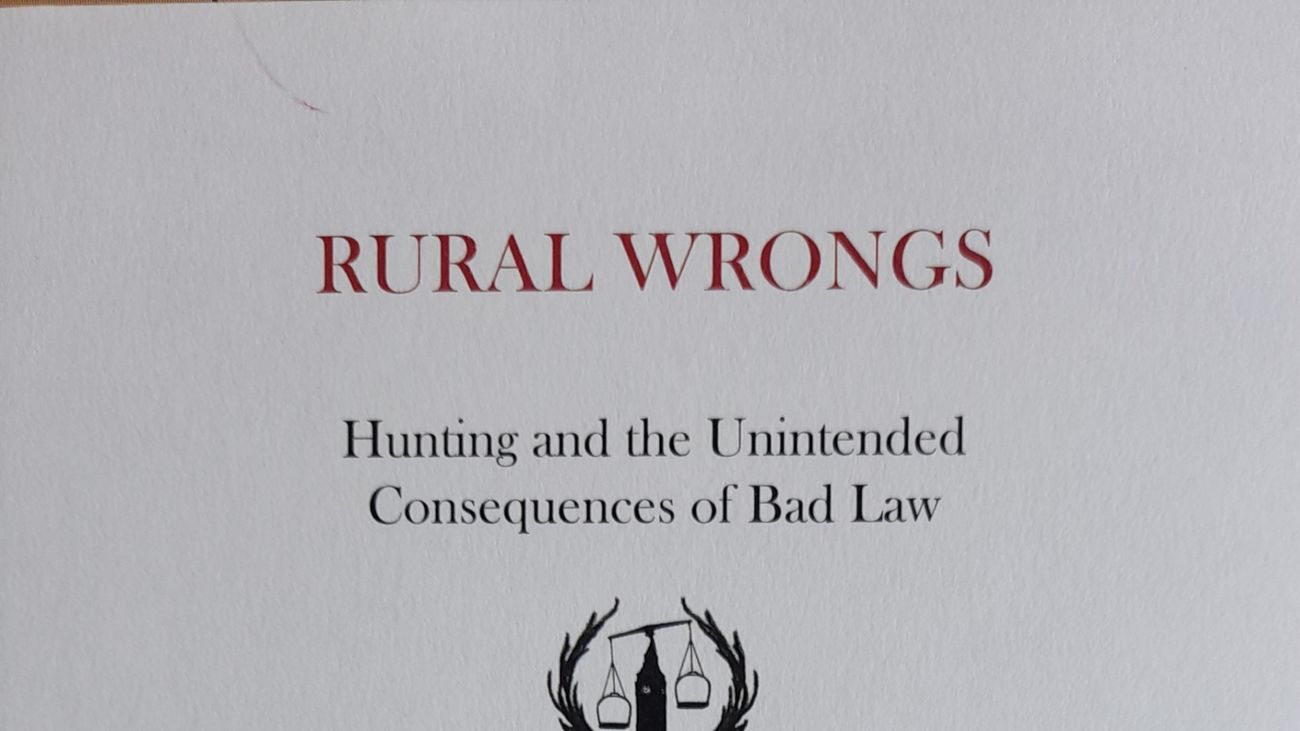
That is why Jim Barrington, one-time director of the League Against Cruel Sports and now animal welfare adviser to the Countryside Alliance, and I set up a project to explore the impact of the bans. The findings have been published in Rural Wrongs: Hunting and the Unintended Consequences of Bad Law.
Based on the testimony of people at the sharp end of countryside management – farmers, gamekeepers, conservationists, hunters, scientists – Rural Wrongs tells the story of how the hunting bans have failed. Our conclusions are stark and depressing. Instead of making life better for the quarry species, the exact opposite has often occurred. They are now being killed in greater numbers. There is now more suffering, not less.
What we discovered on our travels
Staghounds in the West Country can only use two dogs under the 2004 Act. This has made it much harder to find and dispatch deer which have been hit by vehicles or wounded by shooters than it used to be with a full pack of hounds. As the hunts can no longer go out with a full pack they are failing to disperse herds across the landscape. As a result, red deer are now congregating in larger numbers and becoming more vulnerable to infectious diseases like bovine TB. More red deer are now being shot, both legally and illegally, than in the past and an increase in poaching has led to more deer being wounded.
When it comes to the fox population it is hard to disaggregate the impact of the 2004 Hunting Act from the impact caused by the intensification of game shooting and the availability of high-tech night-vision shooting equipment. In many parts of the country “foxing” has become a field sport in its own right, practiced not just by gamekeepers but by individuals who take pleasure in killing foxes and boasting about it on social media. The scale of killing is undoubtedly greater in some areas than it used to be, leading to a significant decline in fox numbers. Yet in other areas foxes are doing well. There is no doubt that restrictions on hunting have led to a loss of respect for the fox among many landowners and farmers.
As far as the brown hare is concerned, the 2004 Hunting Act, which banned both competitive hare coursing under National Coursing Club rules and hare hunting with hounds, was indirectly responsible for a dramatic increase in illegal hare coursing. This generally involves gangs of men who have no compunction about attacking landowners, farmers and gamekeepers who try to prevent them trespassing. Illegal coursing is frequently associated with farm thefts and damage to property. During the first three days after the hunting ban came into force in 2005, over 3000 hares were shot on two estates in East Anglia, not to make jugged hare but to ensure that the estates would not be targeted by illegal coursers. We heard frequent stories of farmer shooting all the hares on their land to keep the illegal coursers away. This is a fine example of the unintended consequences of bad law.
But Rural Wrongs is not just a story of political incompetence and unremitting ecological gloom. In the closing pages I suggest how the current legislation could be replaced by a law which will effectively protect wild animals from unnecessary suffering and cruelty, while allowing hunting to continue, and at the same time – perhaps this is a pious hope – help to create a healthier countryside and a less censorious attitude towards a cultural minority.
Rural Wrongs: Hunting and the Unintended Consequences of Bad Law by Charlie Pye-Smith is published by the RS Surtees Society (www.rssurtees.com/products/ruralwrongs/). £20 plus p&p.