Unlocking the Secrets of an understated little brown bird
You can get so easily attached to certain bird species, especially when you know they are in trouble and you have found a way to help them

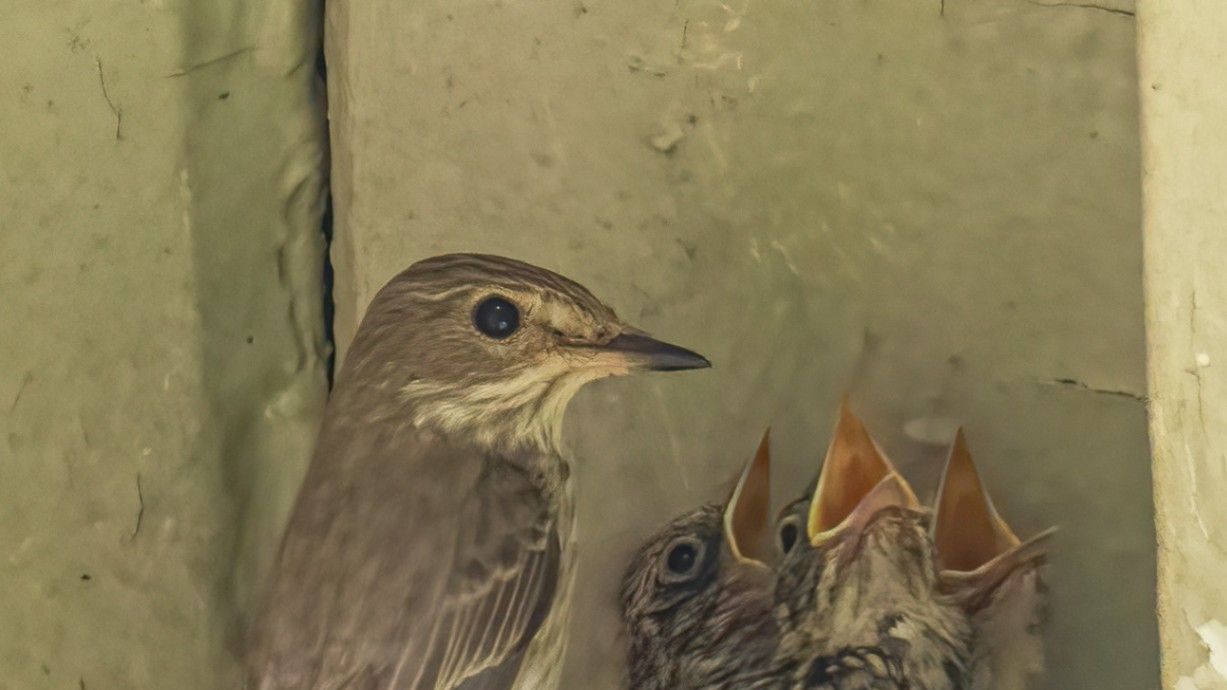
The spotted flycatcher: a most understated and underestimated little brown bird
If you are small, ‘bite-size’ with wings and feathers it pays to be understated.
Elegant but drab, modest and restrained, a mousy brown spotted flycatcher sits on the guttering of my house. If you don’t look, you will not see.
For most of the time these summer migrants fly in, perhaps raising two broods, then fly back to sub-Sahara Africa for the winter, and nobody knows. This is not a creature that pokes you in the eye, you must seek it out. They may be nesting in your garden right now, sitting tight on a second clutch, to improve the chances of some individuals surviving migration to return another year.
Spotted flycatchers (Muscicapa striata) have experienced a significant decline in the UK, with a reduction of around 85% in their population since the 1970s. I fret about their return each spring, I seek them out because they enchant me.
As I say understated introverts, but if you are lucky, you may catch one of their two very short bursts of expressive character.
The Homecoming
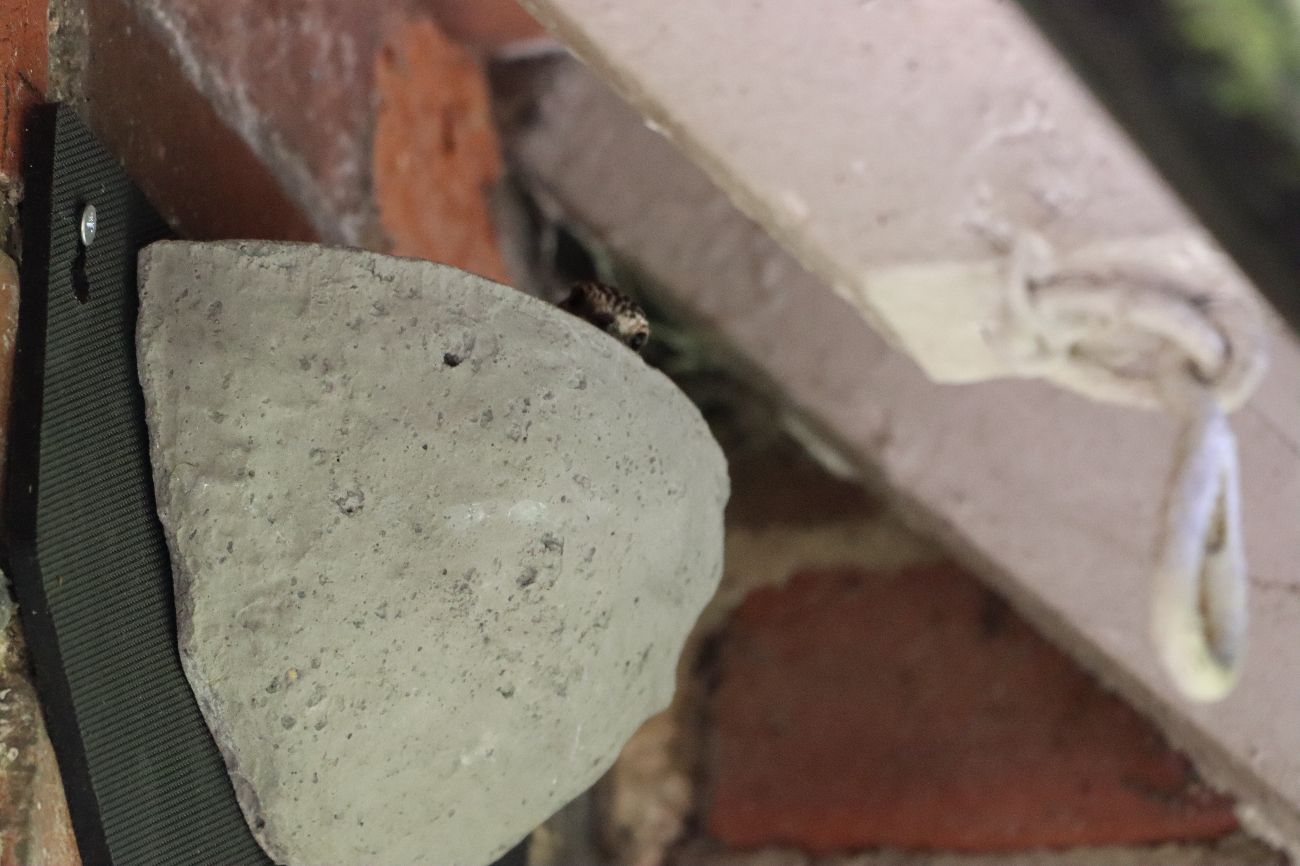
The male usually arrives towards the end of May just before the female and immediately sets out his stall with a constant rasping high-pitched, persistent, even desperate ‘tssp tseep.’ He must attract a passing female and one year I remember he was out of luck and his ‘song increasingly desperate went on for a full month until either he or his sore throat gave up. We have somehow managed to build up a fair few in the village, a point I will come to later and this year it was only 24 hours before he fell silent. A sign of success he had found a mate. Almost immediately they cleaned out their nest from the previous year and as is usually the case were remarkably sitting on eggs within a week of their arrival. Now quiet unobtrusive and back to their understated ways. This particular nest site is their favourite and has been used for six years. The books and shops all sell open-fronted nest boxes for spotted flycatchers (different from the hole-nesting pied flycatchers) But what they really want is an open-topped box, under some cover, with a good 180-degree view, ideally against a bare wall safe from climbing rats. I have found the perfect home is a man-made swallow nest cup. My traditional ‘flycatcher boxes’ are shunned and last winter I made a simple wooden platform with four small edges, to create a slight lip and attached it, under the eaves, on the opposite side of the house. Again, this was inhabited by another pair within a week of the first pair returning. For a bird in trouble, two nests with two broods each, on the one house is exceptional.
Rearing the young
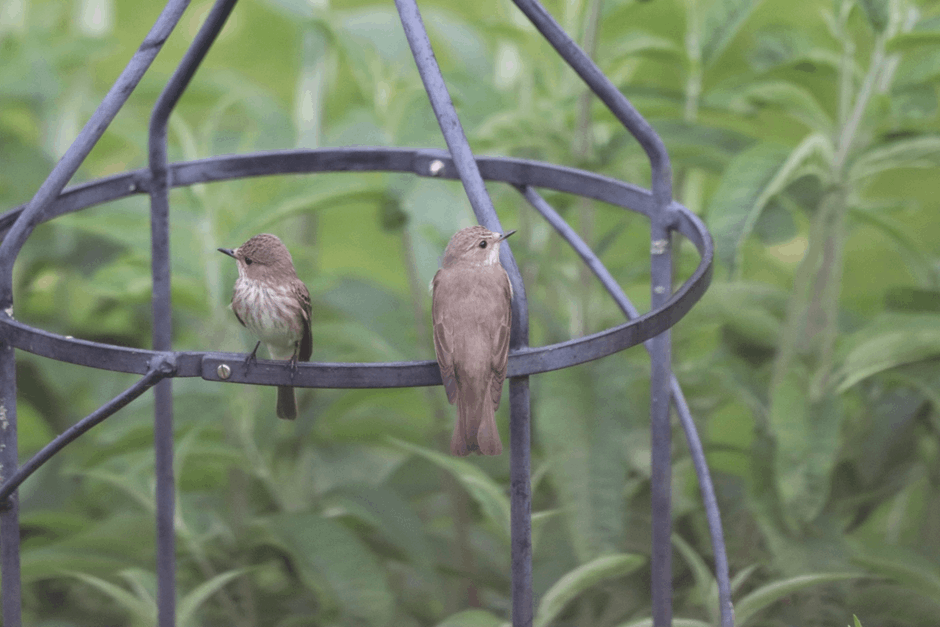
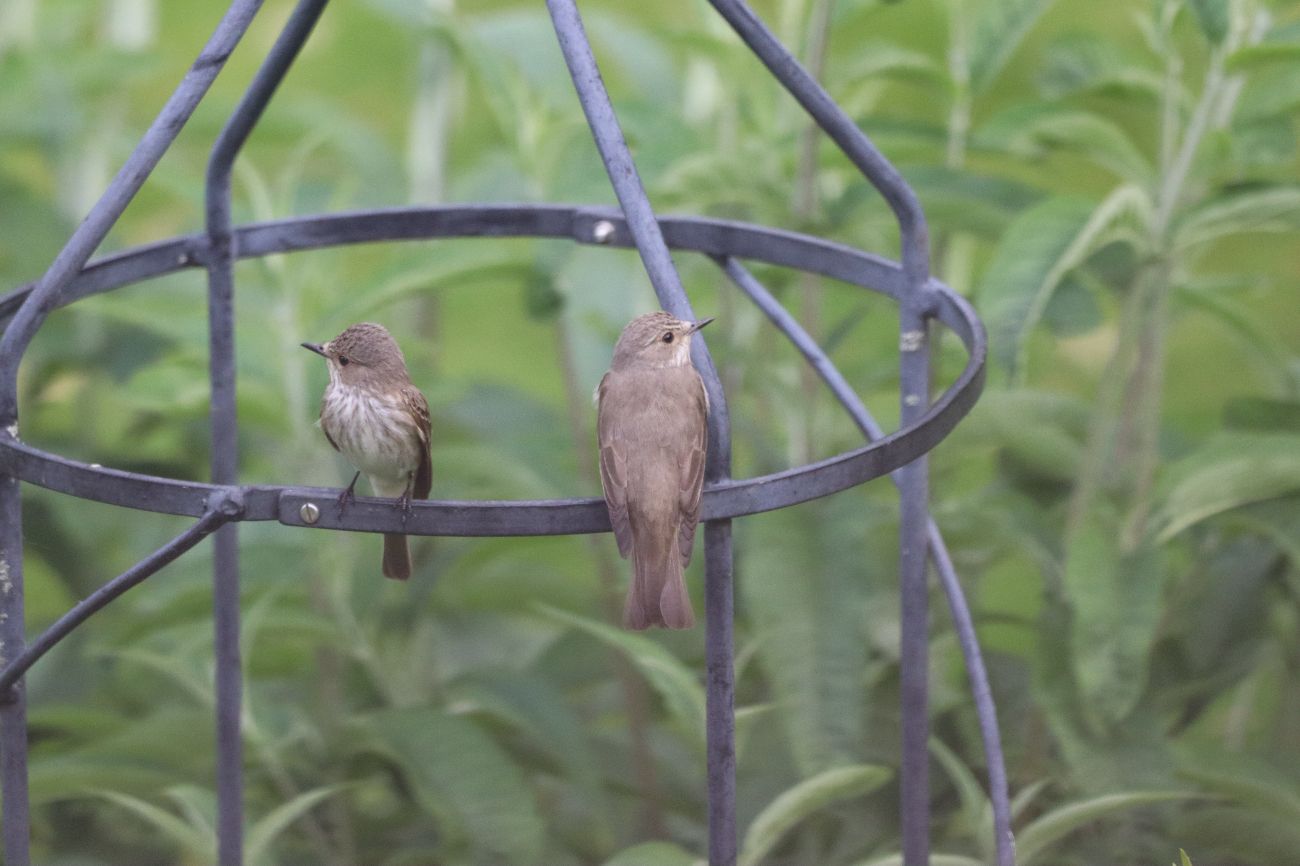
Their second awakening is when the young begin developing their wing pinions. They peer out of their nursery, frantically watching for a returning parent with a beak full of insects and that is when you can sit back and observe the hunting parents at ease. One evening this June, all four adults were in the sky at once, pirouetting, flitting like mayflies. Every now and then you will hear the snap of their beak, and when perched their heads swivel like a little owl, determining out of all the flying food which species gives them the greatest bang for their buck. And when they find that perfect fly they will chase and harry it like a hobby. They have their favourite hunting perches: the metal obelisk with the sweet peas, a bare branch in the larch tree, all the guttering of the house and various sarsen stones we have dotted around the garden. Key is an open area, with good visibility but close to cover. On windy and wet days, they will hunt closer to the ground and find shelter on the leeward side of the house. This mixed topography draws them in and of course the abundance of insects.
Fledging
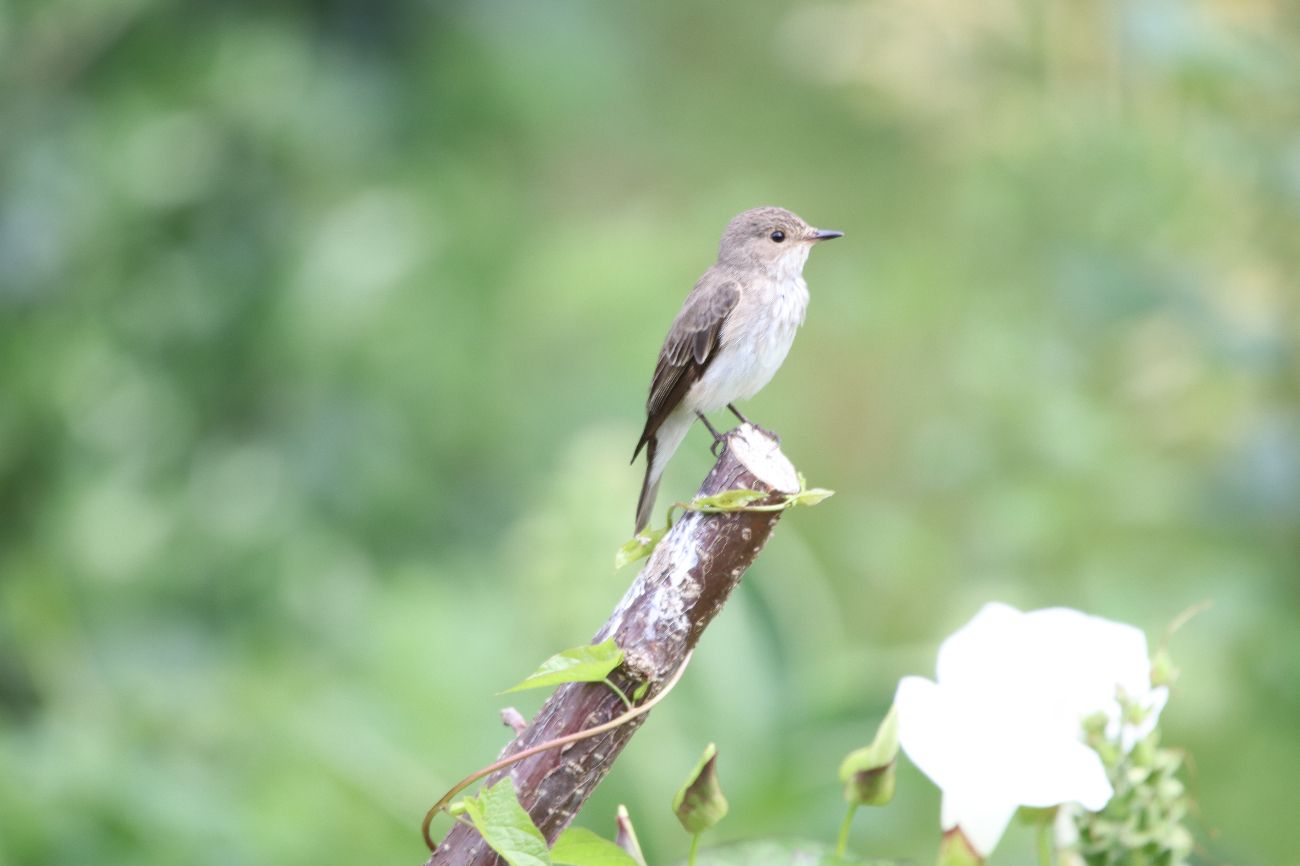
So, we have a house with large eaves where they like to nest and a garden full of insects, with wildflower turf, free of any chemicals. So far so good, and apart from occasional hungry great spotted woodpeckers, (which took one brood last year) and the local sparrowhawk, they are in a good place. The final necessity (the three-legged stool) is cover for the young when they first fledge. I was fortunate this year to witness three chicks on their maiden flights. The first flew into my office window alerting me to the event, before a wobbly wing to a large beech tree a good 20 metres away. Another flew 20 metres out of the nest to a birch tree and I saw a third erratically make its way 30 metres to a large line of lime trees. An instinctive scattering, a final release from the pressures of ‘all ones’ eggs in the same basket’
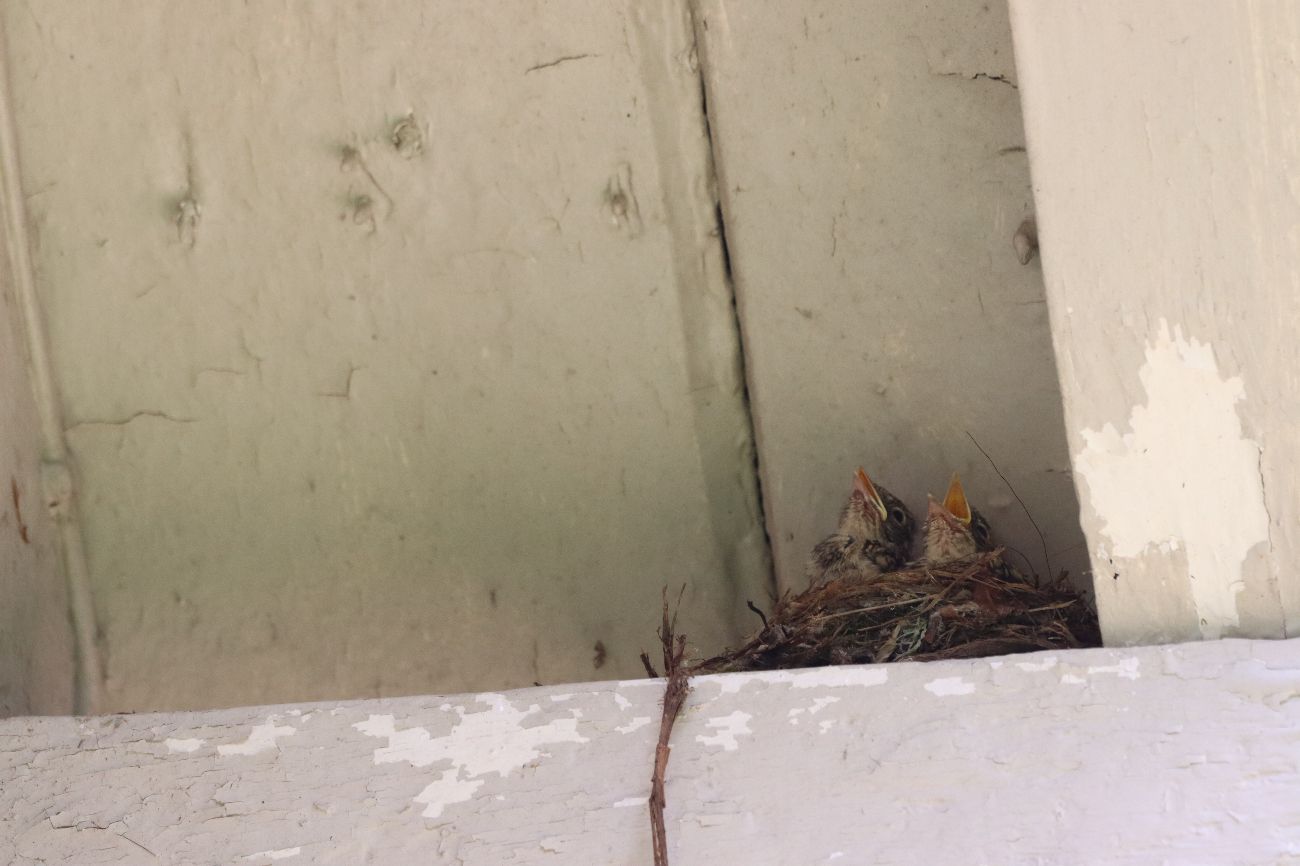
Once the initial flight is over, they sit still making a high-pitched and loud ‘tssp’ to let their parents know where they are. However, it is incredibly hard for us humans to pinpoint the exact source of these calls. This leads me to the third crucial element for their success, at the critical point of fledging, the sanctuary of large trees safe from predators and sheltered from wind and rain, while they hone their flight muscles and feeding skills.
How can you help?
Typically, ornithology books describe spotted flycatcher preferred habitats as large mature gardens, but if that is not you, don’t be put off, providing you have some nearby large trees. you can make a difference. Your job is to construct a small platform, or attach a swallow box on a building in a sheltered spot but with a commanding view. Hopefully, this understated and underestimated little brown bird will grace your summer evenings.