Unravelling Regenerative Agriculture: Hype or Genuine Innovation?
A personal view on regenerative farming

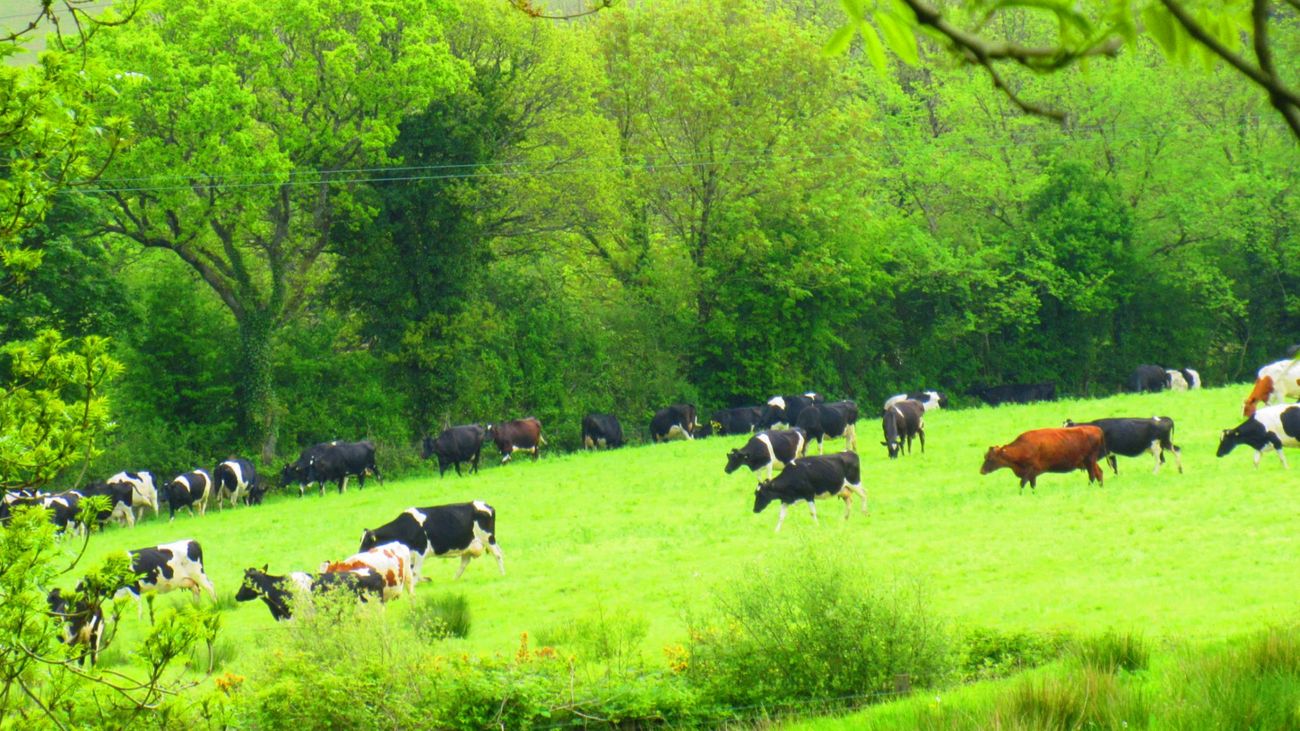
Regenerative Agriculture - What's it all about?
Regen. farming as it has become known is now something of a buzzword in the farming media and many businesses are capitalising on this increasingly popular movement. The concept is not new, it was first mentioned in 1980 but a scientific paper published in 2014 'Regenerative Organic Agriculture and Climate Change' claimed that 'we could sequester more than 100% of current annual CO2 emissions by switching to organic management practices (source; Wikipedia).
One of the advantages of labelling oneself a regenerative farmer is one can pick and choose which regenerative principles one can practise on one's farm. This concept was highlighted at a Royal Association of British Dairy Farmers (RHBD) conference last year. The host farmer, in Somerset, with his fully-housed 2,500 cows, said that by adding one new species into his leys he had thereby doubled his biodiversity. One cannot argue with his logic but it does stretch credibility given that one of the core principles of regenerative farming is about maximising plant diversity and incorporating livestock grazing and trampling pastures. Interestingly, at the same conference the Agriculture & Horticulture Development Board (AHDB) Senior Knowledge Exchange Manager (!) said 'Cattle should eat one third, leave one third and trample the rest'. It is the trampled grass which feeds the micro-organisms which in turn increases soil organic matter. Perhaps the host should have checked the speakers out before they contradicted the farm's practice.
The term regenerative does have benefits, it is a compelling word creating optimistic images of repair and renewal after damage done by industrial farming but also that farmers can be perceived as a solution to climate problems rather than part of the problem. It has undeniably become another marketing ploy.
Having been farming organically for over 30 years I find the regen. movement somewhat odd...is someone reinventing the wheel? Organic standards are rigid, legally binding and audited with consequences for non-compliance. In summary, organic farming is the definitive regenerative farming giving the customer secure knowledge that a raft of production methods and principles have been met.