What is it really like to move to a small Scottish island?
Seeking a nature-rich life, I moved my kids from our city apartment to a croft in the Hebrides.
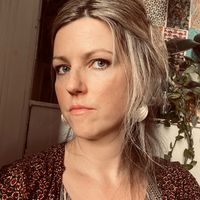

Several years ago I decided to move to a small island in the Hebrides with my two young children. Having spent some time there in my twenties, I felt I knew the place well enough to make a good home for my family. Based in Edinburgh, with one child in nursery and another in primary school, I was so tired of living in a tenement flat without a garden. I grew up in the countryside and wanted to give my children the same freedom and access to nature that I had had.
Deciding to move
One day, I heard from a friend that a cottage was available to rent on the island. The rental market is extremely limited in the Hebrides, so I knew I needed to decide quickly before missing this opportunity. I contacted the landlord. The cottage is on a small croft and I knew would suit us well.
It took three months and many hours of planning to organize the move. Finally, everything was ready. A friend hired a van for all our belongings and then drove it to the west coast, while the children and I took the train. Ten hours later, we arrived. The house is on a hill, at the end of a rough track, with a view of the ocean on both sides of the island. I went inside and discovered that there were no carpets on the concrete floors, and no bed frames in the bedrooms, only mattresses. The multi-fuel stove, our only source of heating, needed to be fixed. But I was elated to be there and knew that everything would be sorted out.
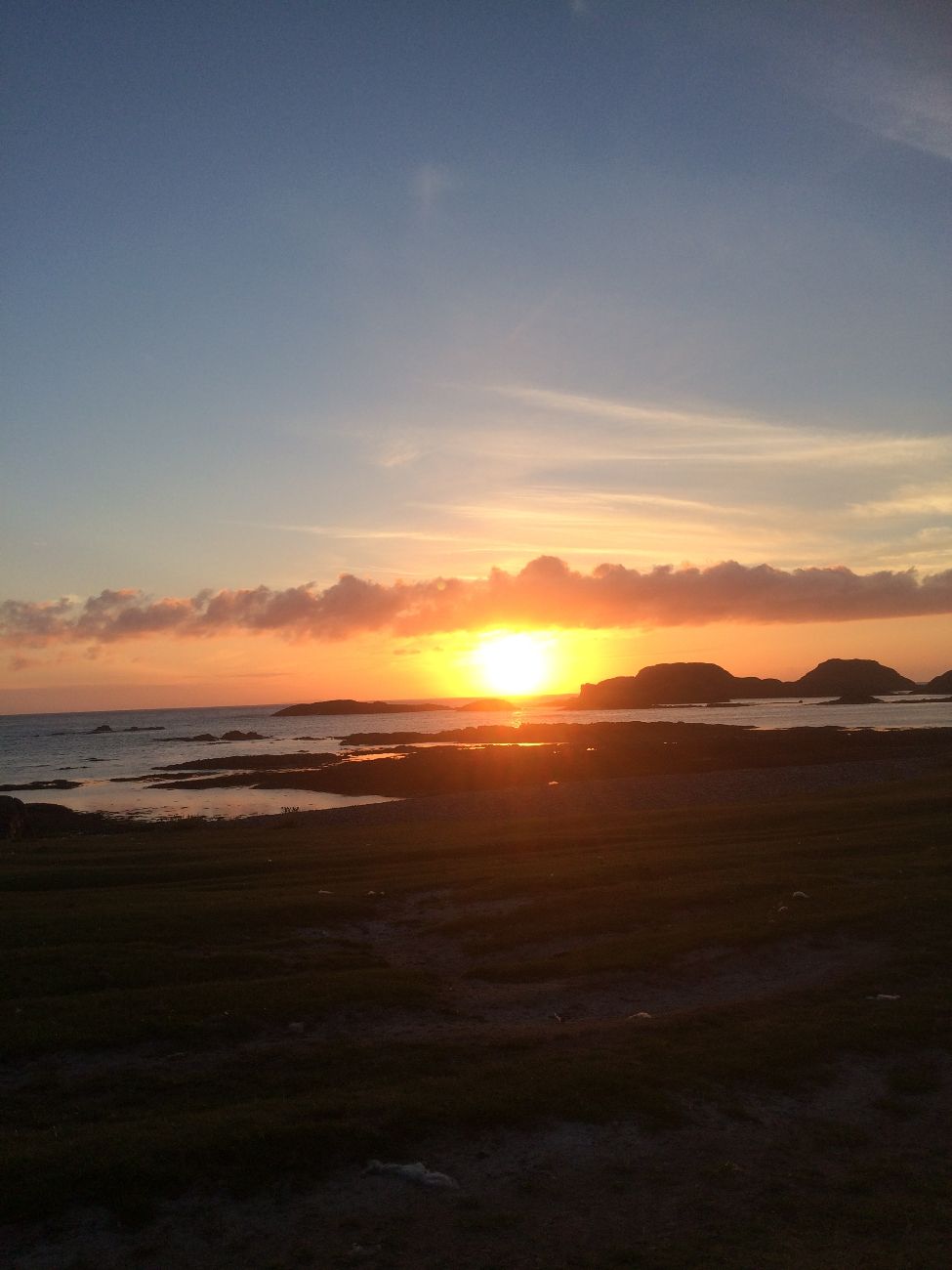
While the children ran around exploring the croft we unloaded the van, searched for bedding, and put groceries in the little fridge. I was relieved to have had the foresight to buy milk, bread, and coffee on the way over. There is only one small shop to buy food from on the island and it closes early. The cottage felt cold and had stood empty for a while. I managed to locate lamps in the van and made up the beds with lots of extra blankets and hot water bottles. Bats flew overhead when I stood outside, calling the children in. To the west, the sun was long set and the horizon growing dark.
Settling in
It took a few weeks to settle in. Every time I looked out the window and saw my children playing in the sun and wind (more often rain), I knew I had made the right choice. I began work in one of the small island hotels. My landlord arranged for carpets to be put down, and bought us new beds. The stove was repaired and the coal bunker filled. Now we had heating and hot water. I placed a weekly supermarket order; they delivered right to the cottage, as long as the ferries were running and not cancelled due to storms.
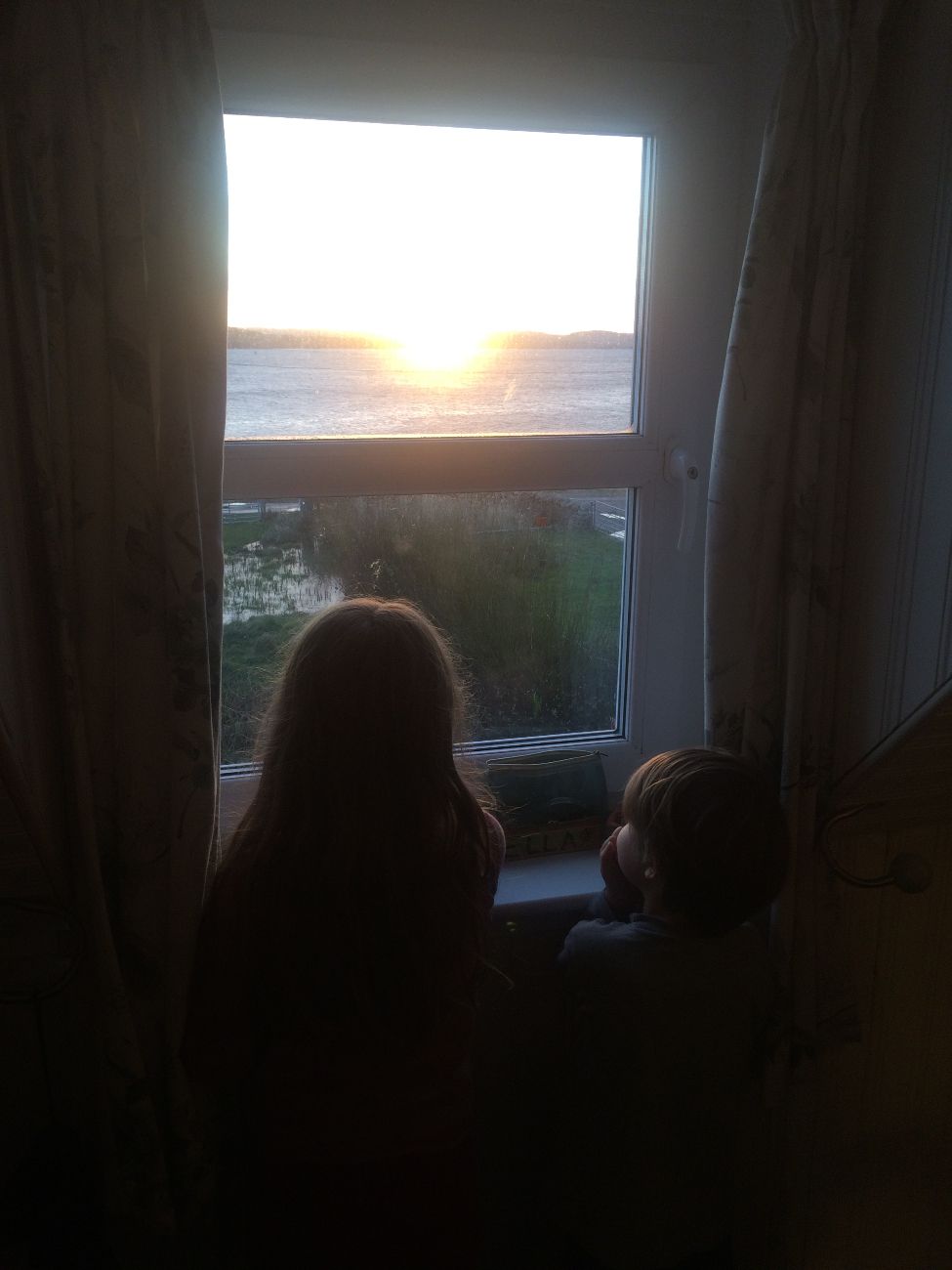
During that winter, there were many gales; sometimes the ferry did not run for a whole week at a time. There were power shortages. With the electricity disrupted, we still had the stove for heating and cooking on. I loved the really wild weather; after years of feeling stifled in a city it was exhilarating to be so close to nature and the elements again. The children wore waterproofs and thermal layers when we staggered down the hill against the wind each morning. The school and nursery catered for the island children, at that time fewer than fifty pupils. This was a big change from the Edinburgh school my daughter had attended, and she liked the quieter classrooms and grassy playground.
I had friends on the island from when I lived there in my twenties. The kids' father lived nearby, and looked after them while I worked. I had many visitors, in fact, a constant stream of people wanted to visit once they discovered I had moved to a Hebridean island. When spring arrived and the gales receded, life opened up even more. Every day, after school, we walked along the narrow track to the beach, a ten-minute walk away. With white sand and turquoise water and so much space and peace, we relished our time. At weekends we took food and swimming things and spent whole days on the beaches, choosing different ones each time.
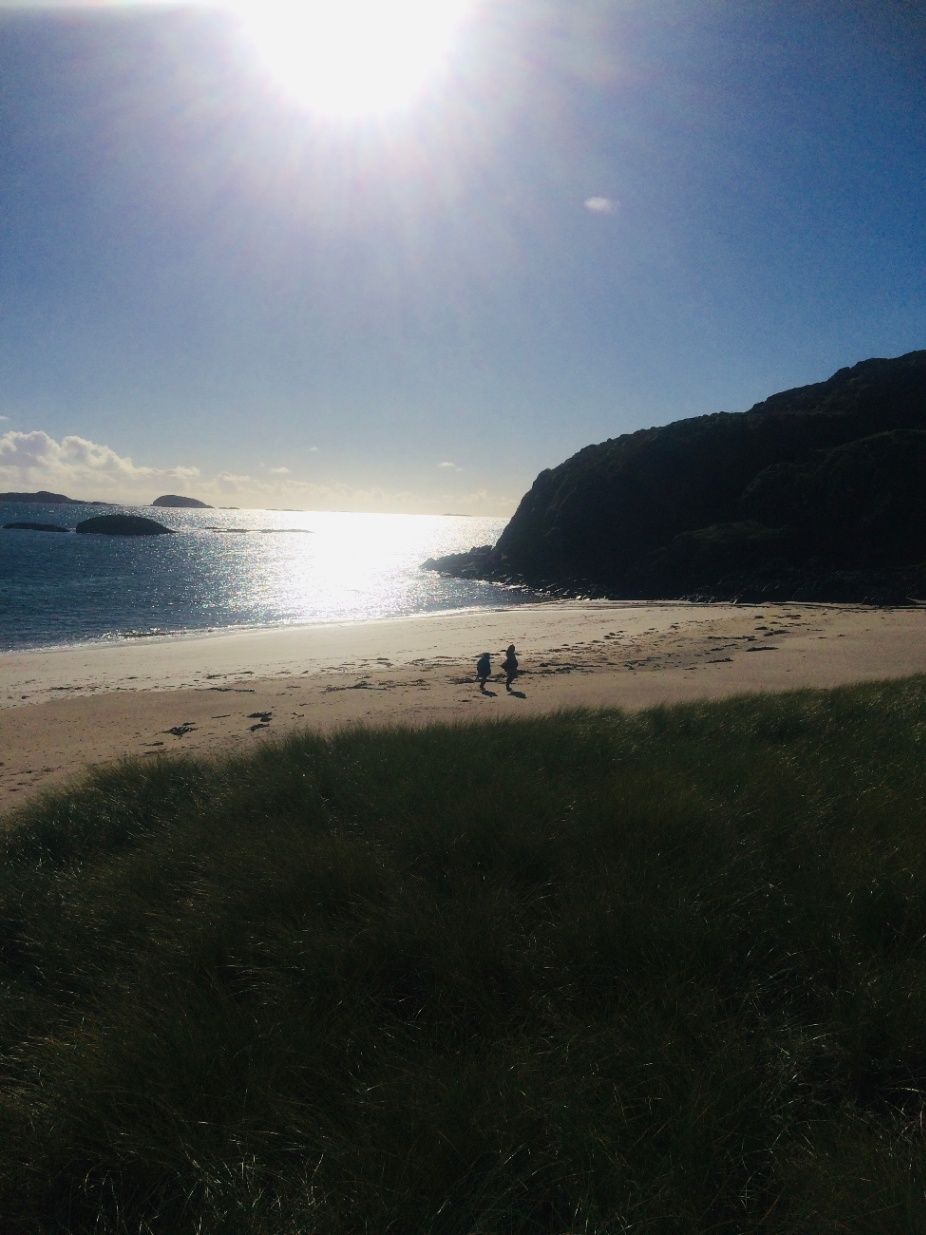
It was the hottest summer in a decade. Every morning the skies were clear and the sun streamed through the little windows of our cottage. I filled the rooms with plants, books, and paintings, and baked bread. Some days I went down to the pier to see what seafood was available, straight off the fishing boats. I taught myself to play guitar, sitting on the front step of the cottage, coffee cup beside me, the children making dens in the garden with the chickens.
If this all sounds idyllic, it was. Although I had little money, it was possible to enjoy a very high standard of living. Instead of being stuck in a small city apartment, we were outdoors most of the time. Without local shops to buy convenience food or takeaways, I cooked everything from scratch and bought local fruit, vegetables, and honey. The children grew strong and healthy. We were very happy.
Problems begin
The problems began with the school before the summer holidays. The island struggled to find professional teaching staff who would commit to staying. I eventually discovered that the school had attracted some troubled individuals, who perhaps had been unable to gain employment on the mainland. It is not always easy to recruit in such remote areas, and this particular school was no exception.
Having to leave the island
One year after arriving I made the very hard decision to leave. As much as I loved living there, my children had to come first and their school was not viable. I cried as I packed up our belongings and emptied the cottage, back into a rental van. The first gales of October lashed the thick walls and the horizon vanished in great sheets of rain. I lit the stove for the last time, knowing the only choice was to move away, but feeling utterly heartbroken about it.
Years have passed since then. I often wonder how we would have managed on the island during the pandemic and lockdowns. The world has changed so much, small communities along with it. My family is now settled; the children recovered from the upheaval, and life became good again in many different, unexpected ways.