Why do we stalk? - Unravelling the Enigmatic Passion for Deer Stalking
The question of why we stalk is different in every person. This article explores what motivations I have and how perhaps you can relate to them too.


Why do we stalk?
How it began.
I remember during my younger years seeing only a handful of deer and thinking that they were very rare indeed. Growing up in rural Devon, I’d seen the occasional Roe and a glimpse of Red deer in the fog when taking an evening walk up at the local forestry or the surrounding moors. On one very rare occasion, I was fortunate enough to find a cast Roe buck antler and I haven’t found one of those since. Deer to me were an unobtainable goal of which you must have been of significant wealth or stature to enable you to pursue. It turns out that once connected, deer management can be wholeheartedly more attainable.
Cast your mind back nine years to the year 2015, pre-covid days, where life was simple, and people weren’t plagued with social anxiety. I decided to embark on my deer stalking journey. Opting to complete Deer Stalking Certificate 1 (DSC1) from the British Deer Society (BDS). I was thrown straight in at the deep end.
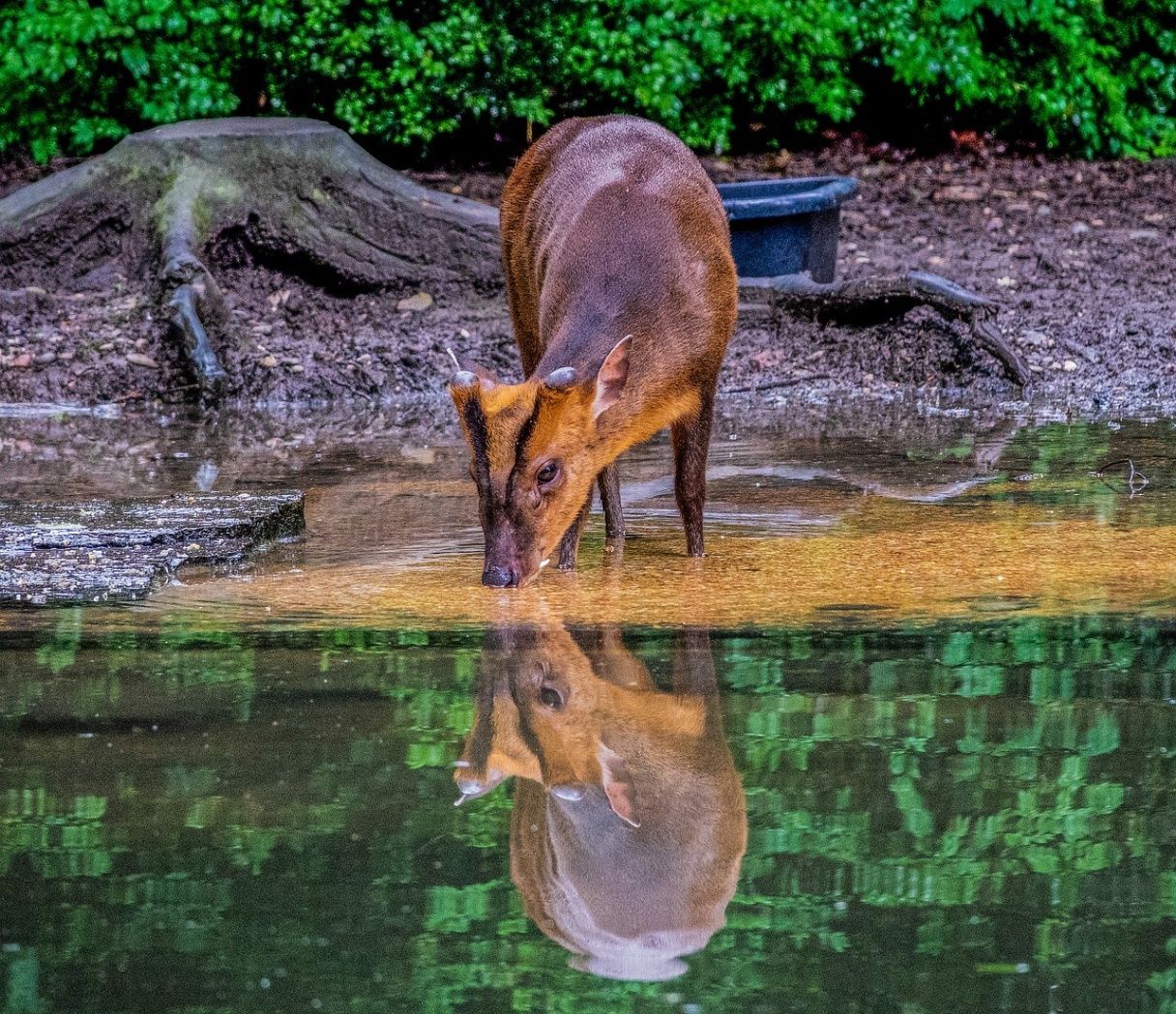
At the time, the BDS offered the course via distance learning, which although fitting my circumstance, I must admit was an eye opener. Not only were there more than two types of deer, but six?! Worse still they all have different characteristics, shapes, sizes, origins, and national distributions. "Do-Re-Mi" from the sound of music wasn't going to help me this time. I remember seeing Muntjac for the first time and thinking how excellent these would be for stalking, transporting and eating.
During the countless hours I spent studying, I learnt a huge amount and wondered how I would apply this theoretical knowledge to when I eventually got to pull the trigger. The learning curve was likely to be horrendously steep, like learning a new language, but as with most things, with sustained effort, you will eventually yield the goods.
During my studying, I had various people ask me “Why do you want to shoot Bambi?!”. My typically pedantic response never went down too well;
“First off, it’s important to note, that at no point during that famous Disney film did Bambi actually get shot. It was very obviously Bambi’s mother. Secondly, according to best practice it is not only preferential to shoot the fawn/calf/Bambi first, but then also to ping Bambi’s mother with fearless accuracy.”
Having spent the last 9 years studying, admiring and learning about deer, my response has now changed somewhat. Normally I simply answer the question with more questions.
“Did you know that deer levels are now higher in the UK than they’ve ever been?!”
“Are you aware that grown deer have no natural predators in the UK?”
“Did you know that if not predated in any way, most deer will starve to death due to teeth erosion?”
“Did you know that up to 20 people a year are killed in the UK due to deer vehicle collisions?”
These questions are normally just met with stunned silence. Of which then I am more than happy to explain in detail the complex ecology and diversity that UK deer have and exhibit. I make it clear to people that my profound respect for deer is the exact reason I shoot them. I take no pleasure in taking the life of an animal. Nearly everything humans do has a negative impact on the planet and biodiversity, but by controlling deer numbers, I can have a truly positive effect on nature and the countless tree planting, wildflower, and other regeneration projects in the UK, or certainly around the area which I live. I tell myself and others that I am doing a good thing.
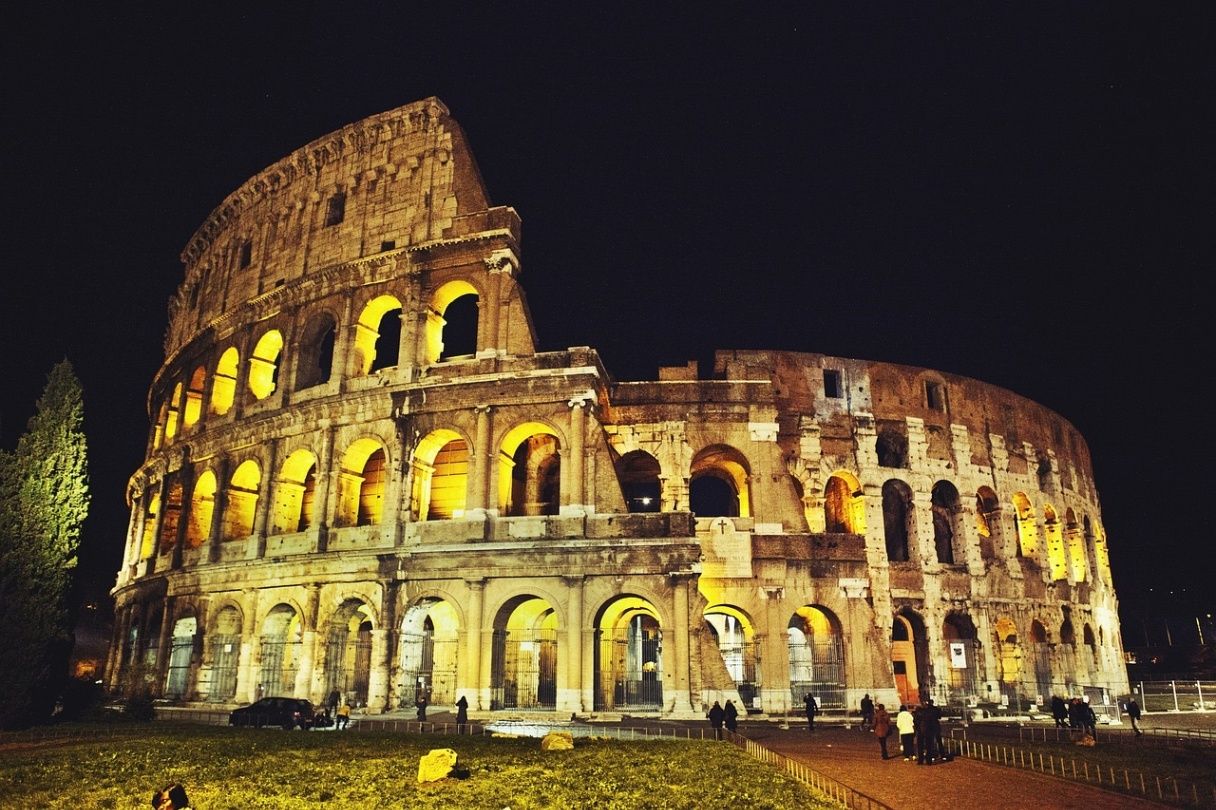
The Romans are partly to blame, of course, for the exploding deer population we now have in the UK, having captured the vast majority of the large predators from our island as well as the continent and taken them to the Colosseum in Rome for slaughter. You can probably blame Emperor Titus or Trajan who killed 9,000/11,000 tame and wild animals respectively, for some of the longest-held Colosseum games Rome had ever seen.
When we’re not thinking about ancient Rome, the motivations that make us go out deer stalking vary from person to person, I meet people who do it for the huge adrenaline rush they get just before they squeeze the trigger, others who simply enjoy the outdoors, and then people like me who love the “field to plate” notion of shooting, skinning, butchering and then eating something truly wild. With modern reliance on ultra-processed foods and the health implications of consuming them, it appears that I am not the only one who enjoys the purity of the act of stalking. I recently watched a YouTube video of a young female (Katie Hargreaves) who is vegan, but only because she didn’t like the methods by which modern meat is raised and processed. She subsequently went deer stalking with Paul Childerley and admired the system of dispatching and processing a deer from start to finish. Her attitude towards deer stalking was renewed.
So why do we stalk?
Perhaps the cave dweller in me remains and the modern world simply fails to scratch the itch of that of my ancestors, way before we had our present luxuries. In a world consumed by greed and social media, mental health amongst young men is becoming a serious issue and my belief is that we have become detached from our hunter gatherer instincts. We are losing that edge that once made us the very best at providing for our families from the wild.
With life as comfortable as ever, there is something curiously addictive about getting up in winter in hours that normal people seldom see to glance upwards at the stars, to pack the car with kit and equipment while your fingers feel sore, chapped in the icy breeze. You strip off your layers in the car for the journey. Like mum used to say “you won’t feel the benefit if you wear your jacket indoors”.
On the way to your stalking permission, you review in your head if you’ve remembered everything since you were tip toeing around the house wearing a head torch. You get to your destination, don your kit, and allow the cold embrace of fresh air to hit you. You begin your stalk, you pause, you watch, you scan, you pause again hoping for a fleeting glance of your intended target in what ends up being a fruitless stalk. Yet, as the sun starts to rise and the frost starts to thaw, your hungry belly reminds you of your early start and how you now crave a hot brew and a sturdy breakfast. As you get home, your partner looks and says, “how did you get on?”. They look you up and down and know you’ve been unsuccessful because the blood of your target species is not strewn across your trousers and boots. The simple offer of a cup of tea is enough to mend any memories of the unsuccessful stalk. Yet a week passes, and you spring up out of bed, ready to do it all over again.
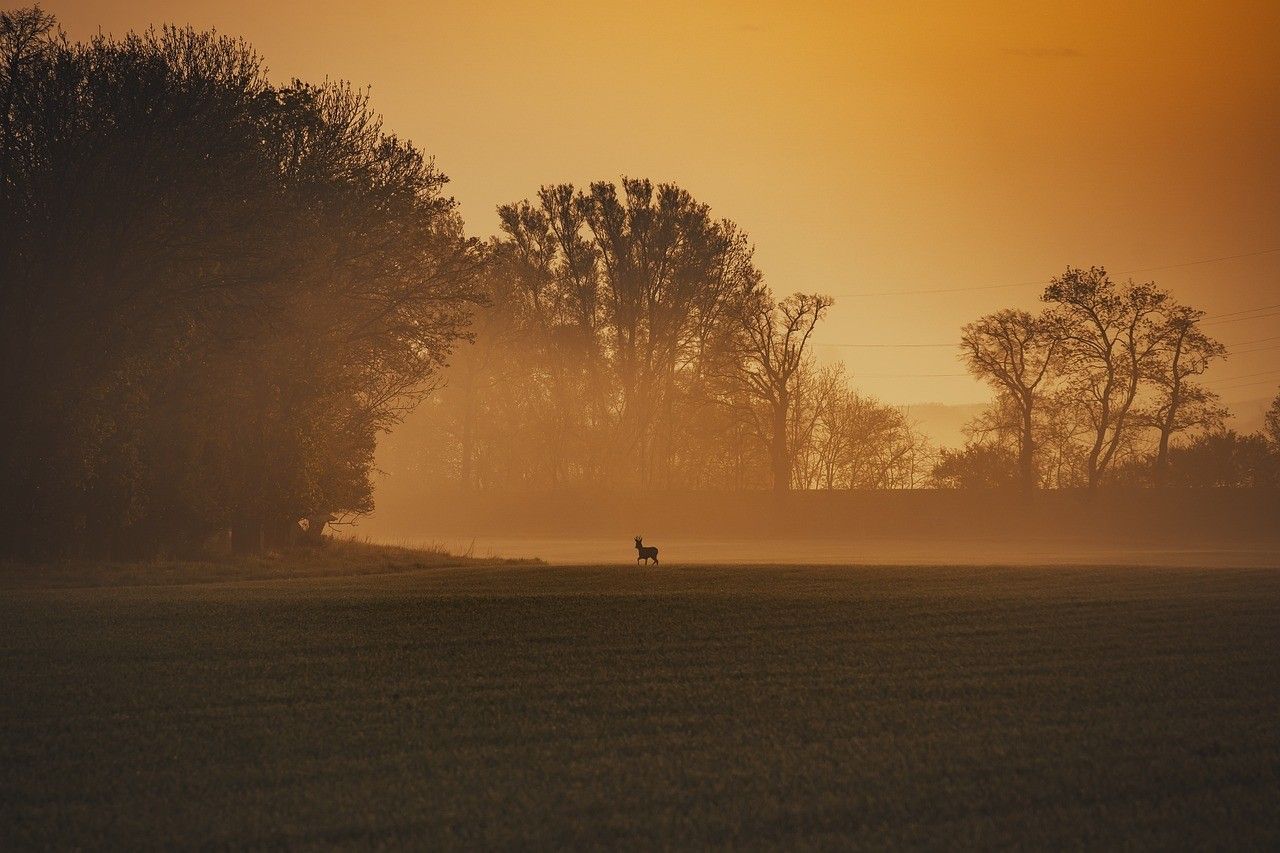
The thrill of stalking is not in shooting anything at all, but instead the process.
So why do we stalk? I don’t really have the answer, but what I can say is that in the madness of life, technology, and expectation, I find my solace in nature and amongst these wonderful animals. If for just one moment I am relieved of the burdens of modern life, then every hour I spend hunting is worth it.
God, I love stalking.