Woolly Wash Out: Sheep Shearing Amid Relentless Rain
It's July and it's still raining! But what impact is all this wet weather having on the shearing season?

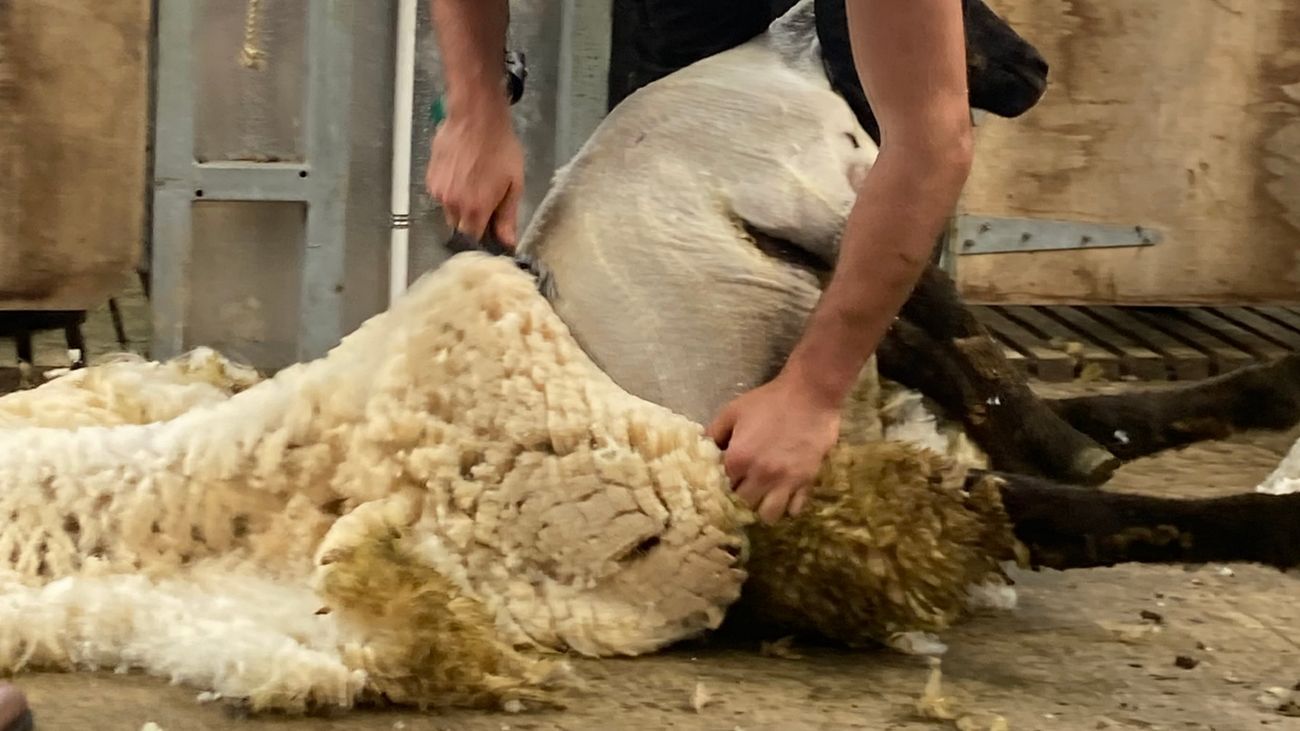
In a couple of weeks it will be the 'height of summer'. We hope.
You'd be forgiven for thinking we'd skipped summer altogether. That somehow, like in spring, we skipped forward to the overcast mizzle that awaits us in the autumn.
We are in the thick of it.
June, July and August look like a patchwork quilt on our living room wall where the academic calendar hangs.
Day after day blocked out for shearing, agricultural shows, shearing demonstrations, shearing and wool handling competitions, an ag workshop here, prep for the new merch launch there and somewhere squeezing in a day or two of sheep work.
Although thankfully, as I am discovering, the sheep here are so wild and hardy that they thrive on a 'less is more' approach to shepherding.
Shearing takes priority.
A single shearer could be looking at 15,000 sheep to shear over the summer months, so it is very much a 'make hay while the sun shines' affair. Long days and late evening are fueled by copious amounts of tea and bacon sarnies.
Except this year, it hasn't stopped raining.
Sheep need to be dry for shearing. Not just because packing wet wool degrades its quality, but also for the safety of the shearer and those, like myself, working around them.
Electrocution while shearing in the rain, a fall off a wet slippery shearing board, or being impaled by a shearers hand-piece are not stories I ever want to have to relay to an A & E nurse, no matter how badly you want your sheep shorn.
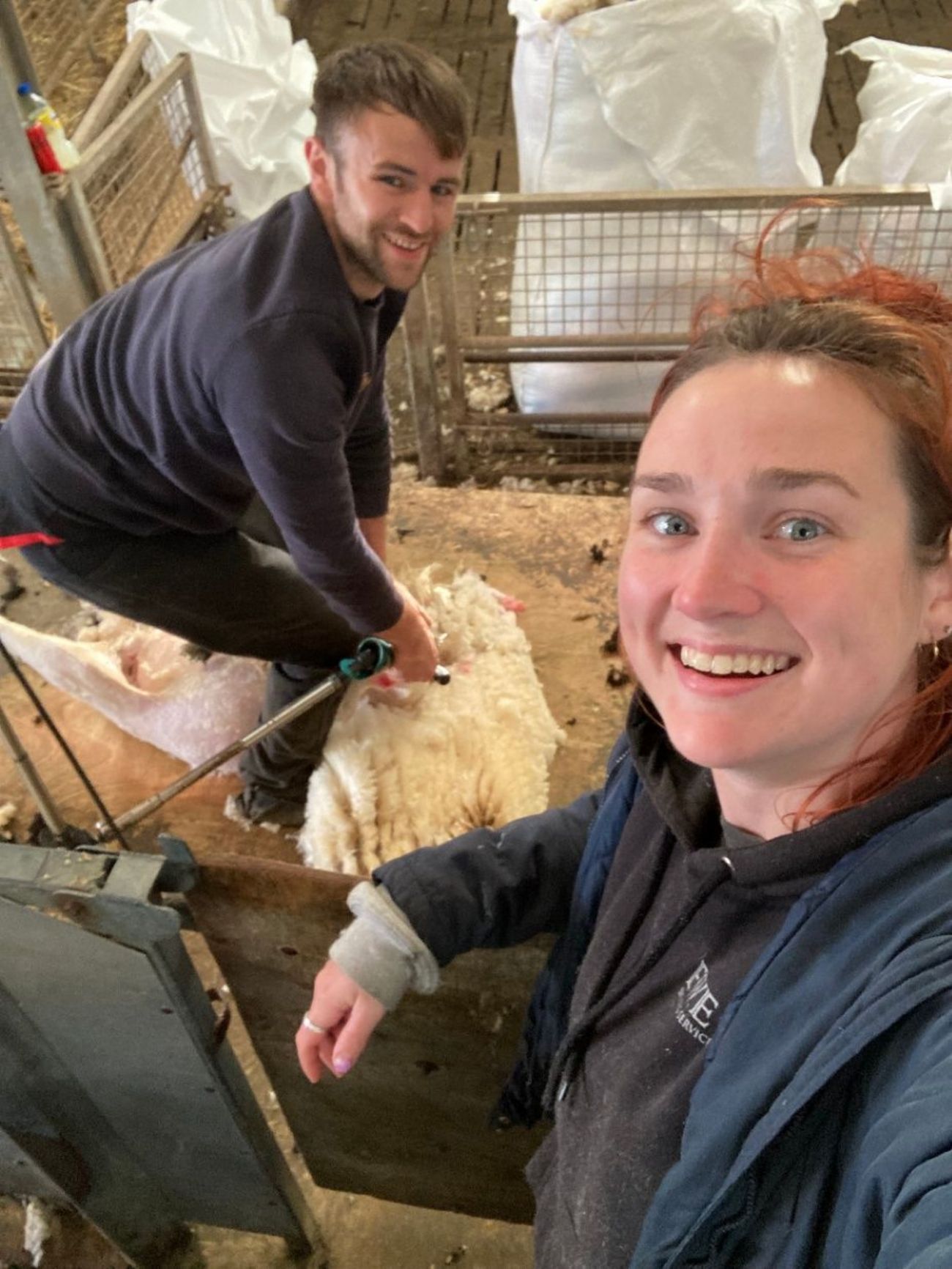
It's now July and it's still raining!
In June, at the start of the season, the rain isn't so much of a problem. There are plenty of farmers to choose from and many of them have sheds to bring their sheep into to keep them dry if wet weather is forecast.
But it never stopped raining in June. Now all of those farmers who have a shed, also have shorn sheep.
So glued to the local weather forecast on our phones, we now find ourselves 'on call'. A problem in itself when you have so much to do, but they are not the sort of jobs you can start, stop and pick up again another time if the phone call with dry sheep came in.
Stalemate!
There is a knock-on effect for farmers too.
The rain isn't just an inconvenience for a shearing team. Many will be all too aware, after the delays caused by the rain in the spring, that when a job can't be done, dusted and out of the way on time, it doesn't take long for the workload to pile up.
While overheating is currently a humorous far-fetched consequence of a delay to shearing sheep, there are other problems. Sheep can easily get themselves cast (stuck on their backs) at this time of year while carrying a full years worth of wool and maggots can become an issue when weather conditions are warm and damp.
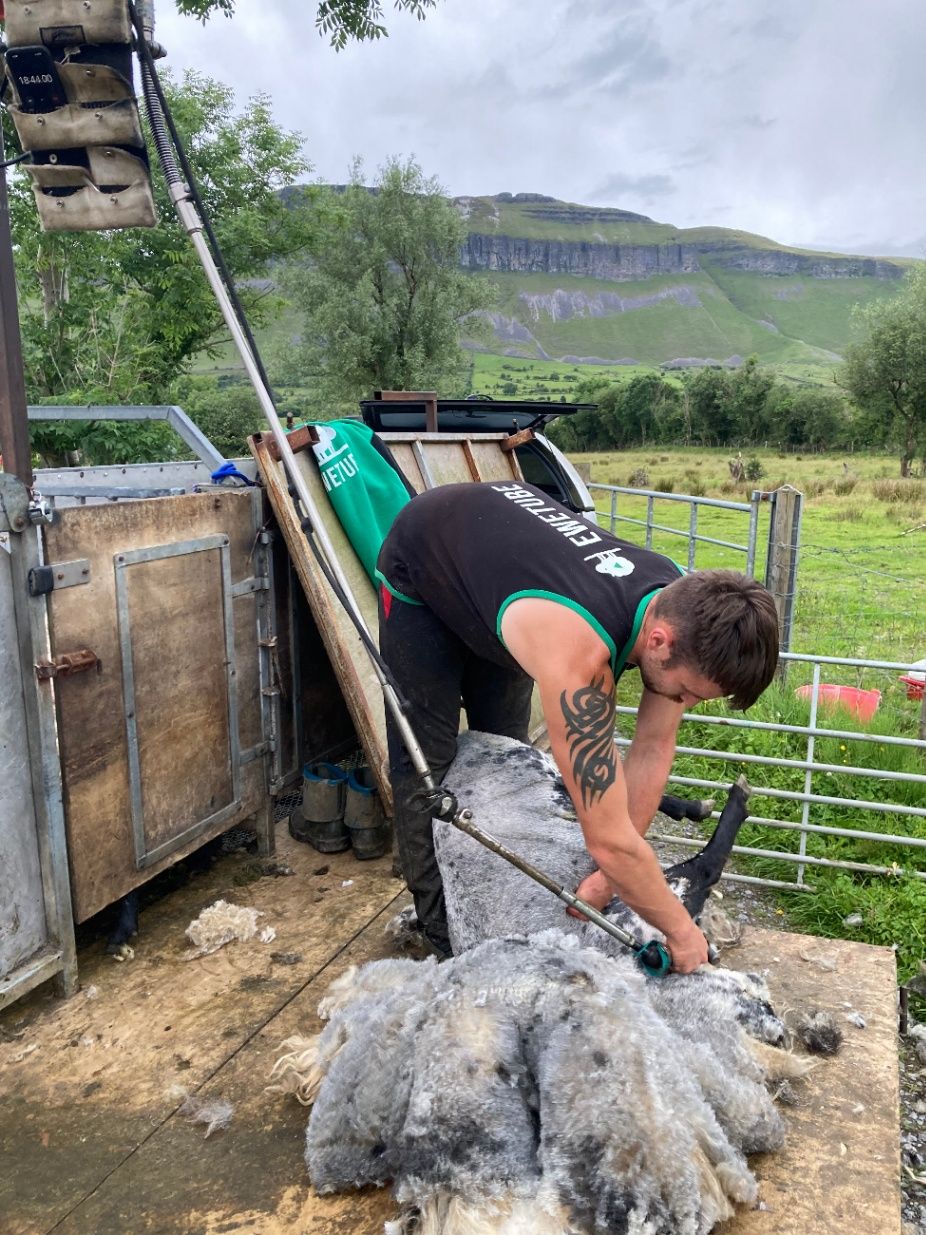
The long-term forecast
We can't control the weather.
All we can do at the moment is improvise, compromise and pray. The sheep will get shorn, eventually.
Although, if anyone knows of an anti-rain dance, now is the time!
It looks like extra time and expense for any farmers having to carry out additional fly cover precautions, while they wait for shearing to be possible. Meanwhile the stint of long days and late evenings for shearers will continue as they find themselves running around, ironically, like a blue-assed flies.