A small sad cry from a special habitat
The short life and death of SFI GRH6 Shorter lived than the seasonal plants it was supposed to support.


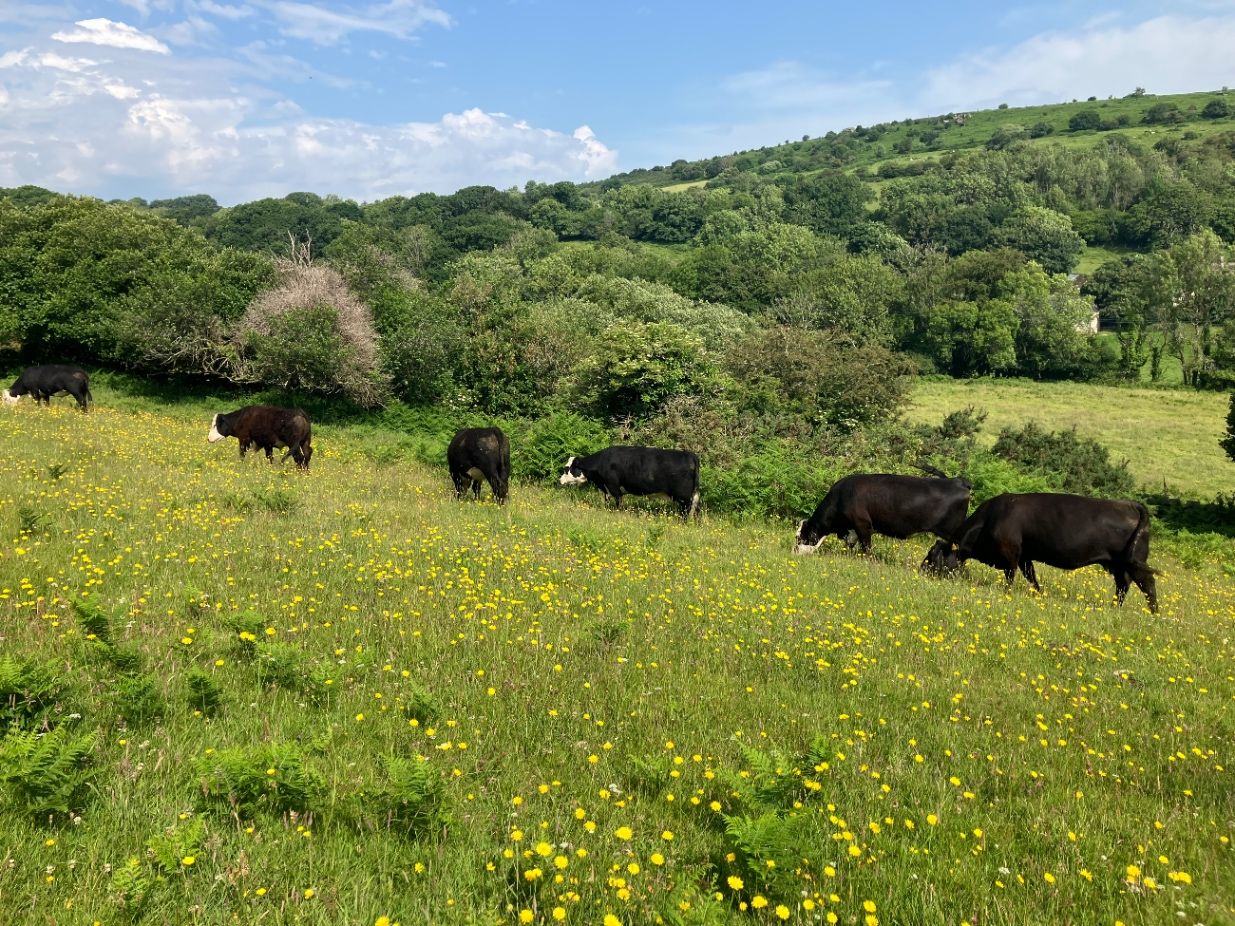
Species rich grassland, underfunded, overlooked and in danger of disappearing
We have all heard, I presume, that our meadows are in danger. A 97% decline in wildflower meadows since the 1930s. Seed packets sold in National Trust shops to encourage the gardener to help, the rarest orchids found on road verges rather than pastures.
We have lost an enormous acreage of species rich hay meadows to ryegrass leys for silage, fields have been ploughed and reseeded, old pastures have been planted up with trees, wet meadows have been drained, low input grasslands have been ‘improved’, rough grazing has been set stocked for years, until all the good has been grazed out of it. We have thrown fertiliser on almost everything and are in the process of concreting over what’s left. Our semi-natural, species rich grasslands are in trouble.
Plants, insects and birds that were once common as muck are now rare. Some orchids and cowslips are now a special sight, visited, carefully, in season, by enthusiasts. Rare bees are sought out, as are skylarks. The idea of having 15 different species of plant, growing naturally, without reseeding, in a square metre of pasture seems an impossible dream to many. We have done away with so much.
It’s not that farmers looked at flower rich meadows and thought ‘hate that, all that vibrant life, let’s get rid of it asap,’ none of us deliberately set out to hollow out our pastures, yet here we are. The ‘improvements’ were gradual, a bit of fertiliser here, a reseed there, more stock fed, more food for a hungry nation, more beef, more milk, more silage, then a little bit more, and more, until here we are, living in a place where chalk hill blue and wall butterflies are in big trouble, and skylarks are red list birds.

Fragments, mapped and managed.
What’s left of the semi-natural grasslands is supposedly all mapped and fitted into the usual little boxes that DEFRA and Natural England love. Lowland dry acidic, upland hay meadow, floodplain meadow, lowland calcareous… They each have a list of plants that can be found, like a biodiversity bingo card, with strict rules about what is, or is not considered a priority habitat, and there are strict management protocols that would have made most pre-war farmers raise a sceptical eyebrow. Hay cuts after a certain set date rather than when the weather is right, muck spread under strict conditions and cows rather than sheep used to improve the sward…madness to the folk that walked to work through clouds of butterflies, (but mowed the corncrakes nigh to extinction). They would have fully understood the grazing regimes though, looking to move stock before the ground became ‘sick’ and wormy, leaving enough time for it to become ‘clean’ again before putting the livestock back in, unintentionally giving the land the long rest periods needed for the flowers to set seed. Medicine fields, pastures often close to the yard that were deliberately managed to be species rich, were used to help sick livestock, herbalism and hope instead of antibiotics and ivermectins!
Now such fields are rare the government has made maps, lists and set management criteria, which were then used for subsidies and keeping tabs on the remaining fragments. Have the goods? Great! You get the money! Countryside Stewardship payments to undo the damage the drive for ever more efficient food production was doing was an integral part of the old system of (English) farm payments. The mapping of priority habitats into Magic Maps that went along with the payments was done, as far as I can see, by some slightly overly excited tech enthusiasts, who didn’t fully grasp the concept of ground truthing or contour lines, (mapping as they did some of my steepest land as fen, marsh or swamp…) but it was done with good intentions. Priority habitats were seen as, well, a priority!
Species rich grassland had a fighting chance.
Then came the great change and (in England) SFI payments reared its head. Public money for public goods, and what could be more worthwhile than species rich meadows? Biodiverse wildlife filled areas that help with water filtration, clean air, food production and bees. Definitely worth the money to keep them safe from the awkward need farmers have to pay the bills by producing ever more low cost food.
And so GRH6 was born…
GRH6
Launched on the 19th of August 2024 along with an array of other options, part of a pick and mix approach to biodiversity subsidies, the future for species rich grassland suddenly looked, not just better, but actually very good indeed. A high payment to look after, or to try to restore the old and rare habitats that supports so much.
As with most things, particularly government related, the devil was in the detail, but even that was not too bad. To claim the cash you had hoops to jump through. Soil analysis for restoration so the new seedlings had half a chance, various management practices that should hinder the thuggish plants and help the delicate ones, you needed the right type of land (not a wood for example) but most importantly you needed an ‘endorsement’.
The ‘endorsement’ meant that you needed a Natural England advisor to confirm the plan was a good one, that you either already had the goods or had appropriate land to work with. If you were thinking of restoration you could crack right on gathering evidence that your land was suitable, soil analysis is not a seasonal game, nor is talking to an advisor on land that doesn’t yet have the plants in place. Some people jumped at the option. The large landowning eNGOs like the Wildlife Trusts could get straight in with it having all the information to hand. Others needed a bit more time to work out which bits of their farms may be suitable, and some took time to make decisions because plants in meadows are often annuals, which makes checking to see if you have the right plants tricky in the autumn and winter.
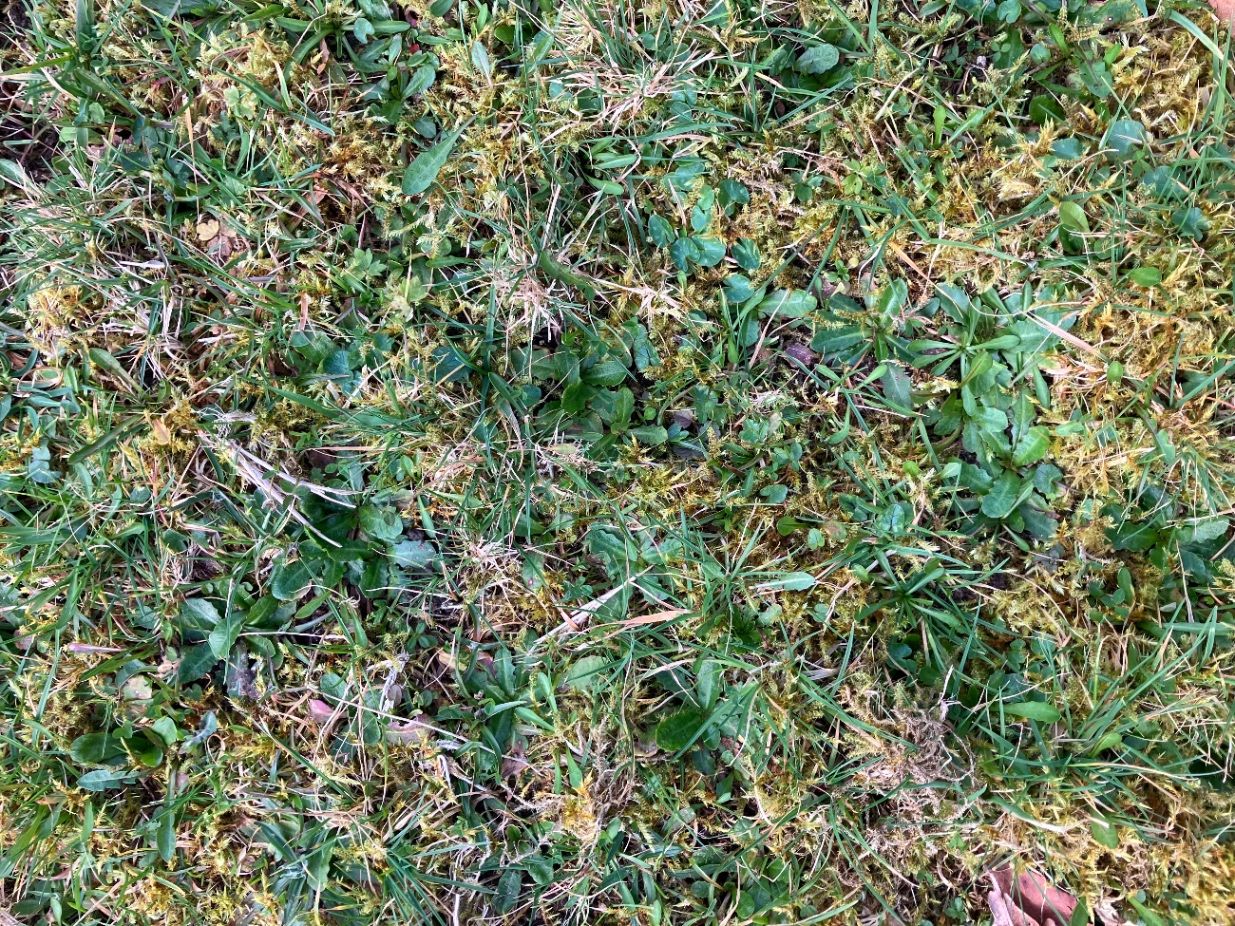
The advice on the government’s website said that the Natural England adviser may
“contact you to visit your land to endorse this action. They may only be able to do this when there are flowering grasses and wildflowers. This will be from late spring and during the summer months (usually between May and September).”
So, to recap, we have an option that requires:
- A Natural England adviser that’s probably going to visit the land between May and September so they can see seasonal plants (so they can be checked against lists)
- Maps and soil analysis, or a vanishingly rare habitat
- And the option opened mid August, too late for most to get surveyed that year.
Right, this is doable….imagine it is spring 2025… The SFI schemes are set to run for a while, the government has promised that the options won’t close without a six week notice period, so if necessary you could ditch the difficult options and go for a more straightforward one for less money. Now all you need to do is wait for summer for a survey and advisor visit. You may not even have started your application, because if you can’t do the GRH6 you may need to rethink other things, and there is no real rush…
And then comes the the 11th of March 2025.
The SFI scheme is closed overnight without warning.
A good month and a half before the earliest you could reasonably expect your meadow to be looked at by a Natural England adviser your chance of getting money for your rare habitat care is gone.
Still, DEFRA and the ministers in charge say that the options will be back with some adjustments, so you wait, playing biodiversity bingo (meadow plants edition) as you do, or you do as you are told by Mr Reed, and get quietly on making more with less, a quick reseed on land nobody knows was full of meadow ants and a few more cows bought to help pay the bills. Another scrap of biodiversity sacrificed on the altar of mortgage payments and council tax bills.
A long wait… and then what?
Those that waited, hopeful that the sensible GRH6 would return (and the scrub creation option would be made workable) had a long wait. The promised summer announcement rolled around to autumn, then winter… then finally on the 24th of February 2026 an announcement was made. The SFI options were coming back!
Changed and amended, a slimline version of the scheme was thrust into the limelight. To be available firstly to smaller farms and land not already in an agreement its various pick and mix options had been pared down by about a third, low uptake options were amongst the culled.
GRH6 was dead.
The option supporting a very rare habitat that needed a summer visit by an adviser to endorse its existence, (which couldn’t happen due to the abrupt closure of the scheme) OBVIOUSLY had a low uptake.
IT IS RARE! That means (to the hard of thinking) there isn’t that much of it. It couldn’t be endorsed because the plants that grow in the RARE habitat are SEASONAL, so uptake was low… so it must be got rid of because people don’t really want it…
This reasoning, while probably seen as sensible in some overly air conditioned office, is devastating for the people (and plants, insects, mammals and birds) that were looking for a lifeline while teetering on the brink.
Now, to be fair, options for grassland exist in the pared down scheme. One option is to join the Countryside Stewardship Higher Tier (CSHT) scheme. A scheme that you can’t just sign up for, but which you need to be invited by Natural England to join, Natural England who mapped the priority habitats and therefore know exactly where the priority habitats are… except where the maps are wrong. Natural England… who you can’t ask to be invited to join the CSHT if you know your land has priority habitats unmapped, because, well, who knows! You just can’t…
In the SFI options the highest paying action for grasslands now is scrub creation. Take off the animals and plant some blackthorn. Ecologically a death knell for most species rich grasslands, but nobody is going to check your pasture, so you’ll get the cash just fine while the cuckoo flowers die.
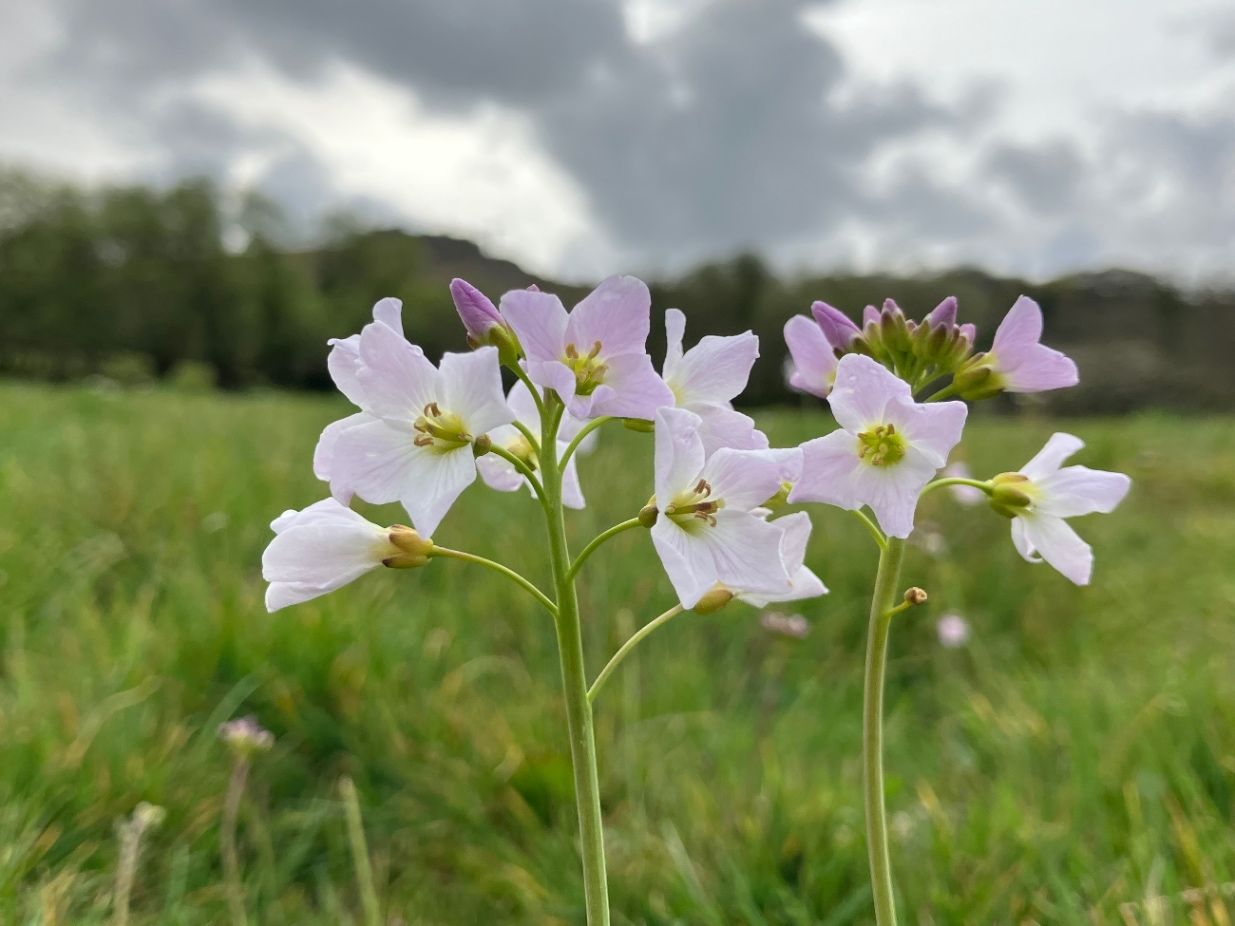
The other SFI options for your unimproved grassland mean a drop in payment from well over £600 per hectare to well under £200. If you had already damaged the pasture with ‘improvements’ you could get more… over £500 for helping the birds after you’ve harmed them, once again payment for undoing damage rather than not doing it in the first place. This feels deeply unfair.
Did no one in DEFRA, the RPA or Natural England say “hang on a minute, this stuff is rare, maybe uptake would always have been low…” did not one of those many stakeholders consulted look at a packet of wildflower seeds and think ‘seasonal… from seeds… grows each year…. This may have needed a SUMMER of surveys to be a workable scheme…”
Or was this, high paying, high biodiversity scheme always meant to fail? A simple way to reduce the overall bill. On a blustery bleak day in early spring it feels like that, when so many cards have been stacked against it from the start.
So here we are, a year on from the devastating closure of a very hopeful scheme. No shining Whitehall knight to our rescue, no pot of gold to help the green and pleasant remnants. The rare under more pressure than ever, while woodland and scrub creation pay far better than quiet low pressure grazing on old fields, and have less red tape if you know the right boxes to tick, and farm intensification is pushed as a good way to pay the bills. 97% of wildflower meadows gone. The remaining 3% too small to be considered valuable after too few of them were able to join a chaotically closed scheme.
Onward without support.
To say I am disappointed is an understatement. To have such a good thing just within touching distance and then it be taken away because not enough of us could reach it because it’s both Rare and Seasonal, is pretty destroying. We now have to keep doing the good pasture management without the support promised, as some of us have done for generations. Not because of the subsidies but despite them. Like having a bit of scrub in the CAP BPS days. Done for the sake of the wild, not the bills. Biodiversity bingo is becoming a game only the wealthy can play. The old quiet well-kept pastures of England deserved better, as do those who have cared for them over the years.