Ban banning stuff
A ban is a lazy and crude way to deal with complicated issues and doesn’t solve the thing it was intended to. The consequences though, especially for people in the countryside, are huge.


I’m writing this a few days after New Year - happy new year to you all! - and I’m not going to lie I’m in a grump. I spent the few hours when 2025 ticked over into 2026 with my dog who doesn’t like fireworks much. I kind of get why the ooh-aahs are so well liked as a way of marking the new year but surely 10 or 15 minutes from midnight is enough? It started around 10pm and went on till about 1.30 in the morning here. Just ban them if no one’s going to be responsible.
'Civilised' debate
It’s been interesting to observe the recent debate around the government’s ban of trail hunting. Setting aside the ignorance, name-calling and hate, it is obvious that it’s a very polarising issue. You’re either for - defending your livelihood in some cases, tradition in others - or against - defending an ideal or attacking something you don’t like. There’s not really a middle position. That’s the social media insight of course. I actually think 90% of the nation is either completely ambivalent or if they do have an opinion, it’s a passing one and no further thought is given to it.
I discussed this with my wife. She is one of the 90% that hasn’t given it much thought. She is against animals torn up for ‘sport’; dog fighting or cockfighting for example. We all should be. The difference between that and trail hunting is that it is criminality and takes place in the dead of night, away from prying eyes. But as for trail hunting, she thinks chasing a smelly rag is just, well, chasing a smelly rag. Drag hunting the same. I described the clean boot, she thinks that could be a laugh. At the end of the day it doesn’t really affect her world much, she has more pressing matters to attend to. Would she see it banned? No.
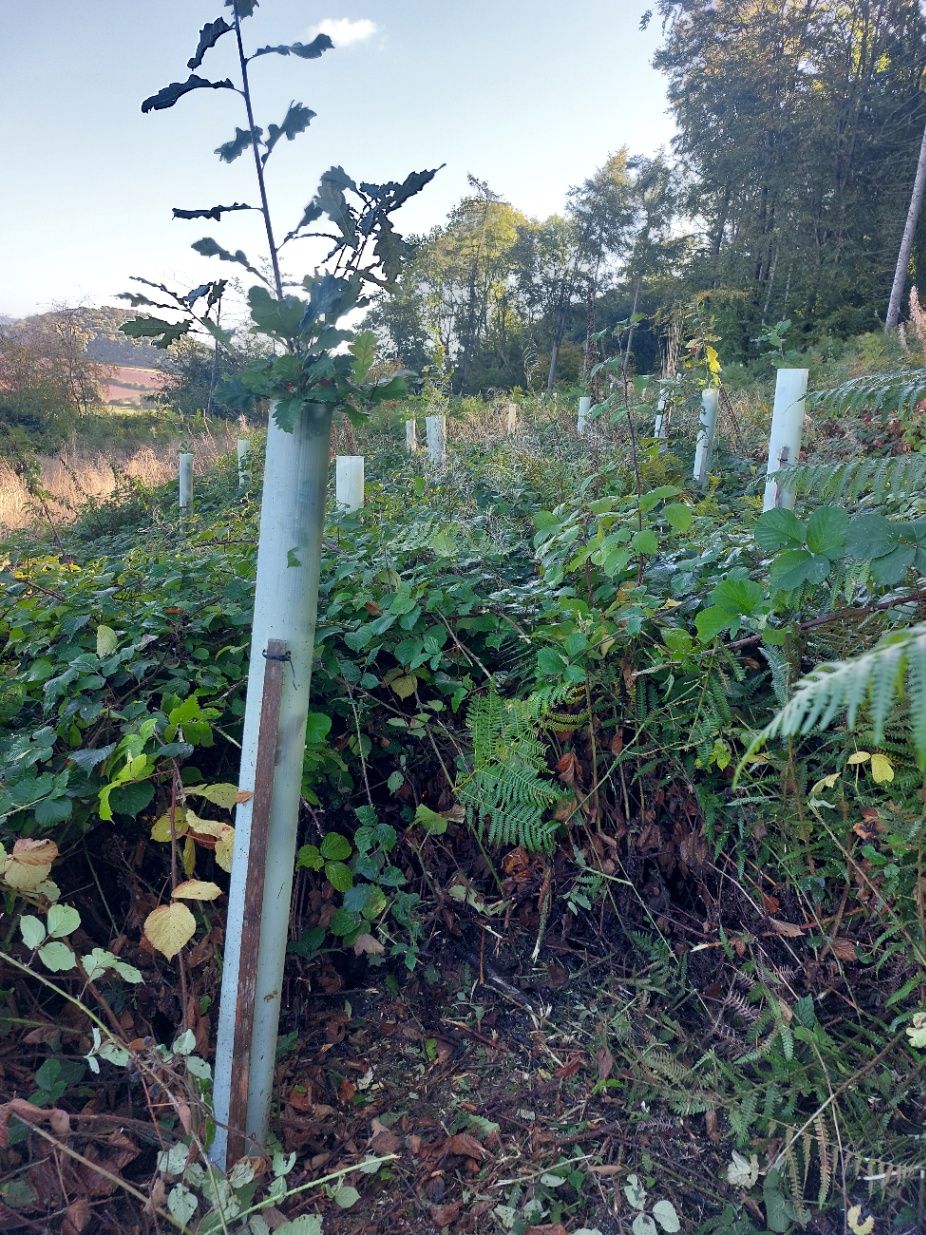
Banning, partial bans or just attempting to ban stuff in the countryside is endemic. Just a few off the top of my head - hunting, shooting, wood burners, plastic tree shelters, pesticides, lead ammunition, and badger culling. Rarely is something else put in place to do the job of the banned thing. Don’t think governments do this for any other reason than to cling to power, and in the case of the current one desperately. A ban is an easy headline grabber and can play very well to the gallery. One thing governments are very good at is caving under pressure from well resourced lobbying groups and celebrities.
(Un)intended Consequences
First and foremost, even the rumour of a ban is enough to cause problems. Uncertainty kills economies as businesses put plans on hold while they wait to see what’s going to happen. Shall I mention mental health again? It’s a concern, isn’t it?
Since trail hunting and wood burners are at the forefront of our minds – the list of the banned is endless - let’s see what the consequences of potential bans are.
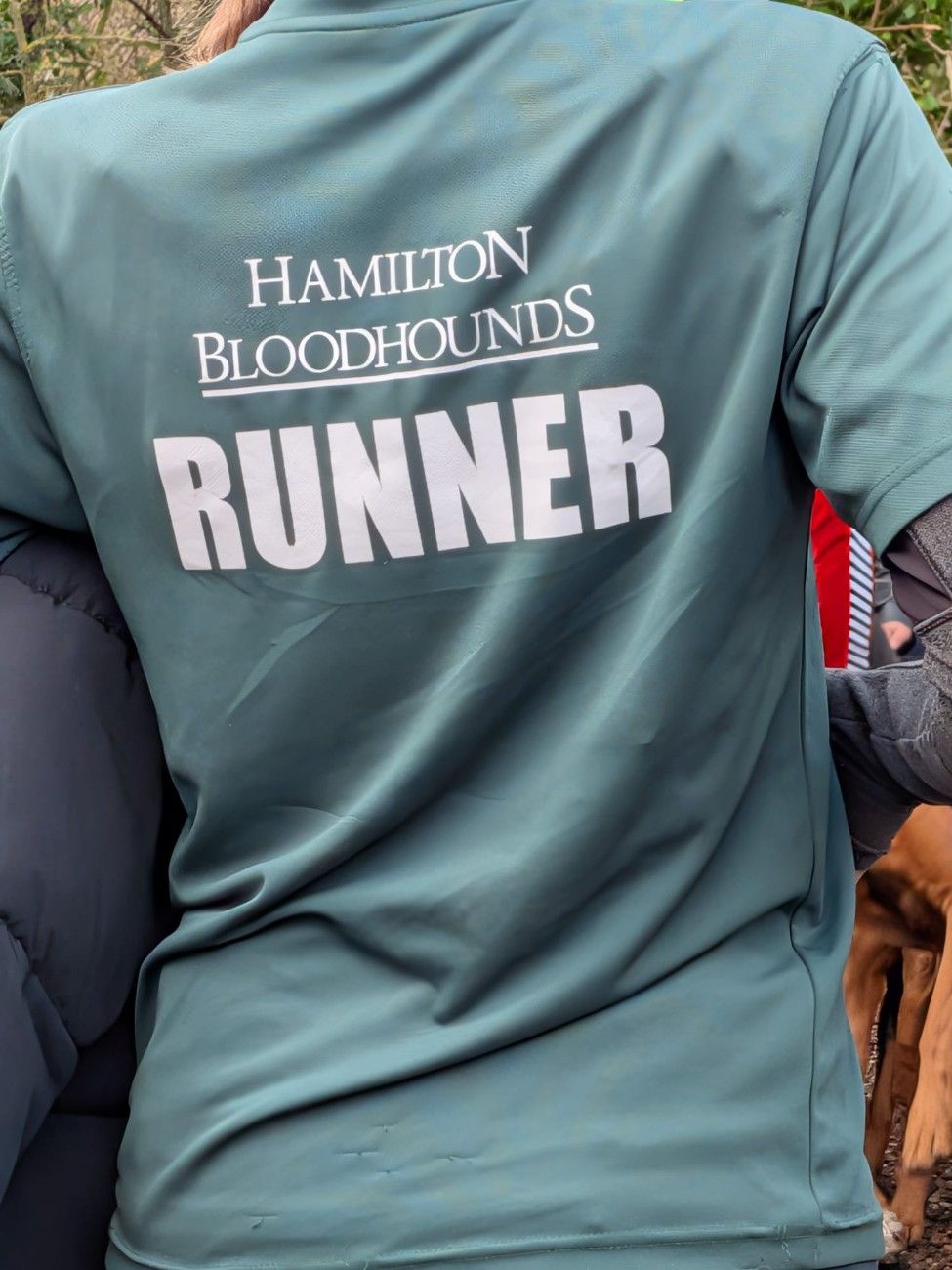
Trail Hunting
Loss of livelihood. The human impact will be catastrophic. Hunt staff, livery yards, tack and feed merchants, tailors, kit suppliers, vets, farriers, horse dealers, there is a long list of businesses that will be affected. Some will go out of business entirely, some will be forced to scale back with the inevitable redundancies that will go with that. This will have a knock-on effect on other pastimes particularly point-to-point racing.
Horse and Hound. I don’t know what will happen to the hounds but I can’t imagine it’ll be good. Speaking to a few people in the know, the informed guess is the best will be drafted overseas, one or two might go with hunt staff but a good proportion will have to be euthanised. It is said in some quarters that they can be rehomed. For one they’re not pets but think about this; according to the RSPCA, at any one time there are approximately 100,000 dogs in rescue centres across Britain waiting to be rehomed. There are barriers to rehoming; I wanted to rehome a dog but was told I couldn’t because I had a child under 10 and I wanted to take it to work with me (out in the woods every day! What better life can there be for a dog?). If we can’t find dogs a home, then what chance a hound? The good news is horses are unlikely to suffer the same fate as the hounds; they can be turned to other activities or retired if need be. Good job too, because the RSPCA say there are currently around 7,000 horses in need of rescue or new homes and rescue organisations are already at full capacity.
A social event.
One of the most important (the most important maybe?) aspects of trail hunting is the gathering together of people who might live very isolated lives. Rural areas don’t have high population densities, and it is conceivable people may not see another soul for days on end. It can get lonely, especially in the winter. I am involved with a mental health drive to identify and tackle the causes of poor mental health in forestry. Isolation is one of the biggest problems and is the same for a lot of rural people. Taking away a social event, any social event, is going to have a negative effect on people who really need that human contact.
Charity fundraising.
Hunts raise a lot of money for charity, all worthy causes. No hunt, less fundraising. I spoke to a hunt master whose job it is to fundraise. The job is two-fold; raise money to enable the hunt’s activities and social events, see the points above as to why that’s important. But the other part of the job is to raise money for local charities. Of particular note, one of the recipients of regular donations is the Air Ambulance, an organisation totally staffed by volunteers and vital for the area. As someone who works in remote areas this is a service that could save my life and I have a lot of appreciation for that.
Wood burners
Loss of livelihood.
The human impact will be catastrophic. Of all the points I raise here about the loss of livelihood, this one most clearly shows government and lobbyist indifference to people. Take away a business’ market, the ability to sell its product, it will inevitably have to cease trading, as will the support businesses such as machinery dealers. As will the businesses that manage Britain’s woodlands, particularly harvesting contractors. It’s not a hard concept to get your head around.
Loss of managed woodland.
Woodlands have to be managed to maintain their health, the same as anything else. In a lot of cases firewood production pays for the costs, if this outlet is taken away then management becomes unviable. Habitats will suffer, leading to declines in wildlife. Like it or not, firewood is a sustainable source of heating. You can grow trees again and again, you can't do that with gas.

This is all covered in much more detail in the livestream myself and Richard Negus did in December.
Each of those two examples have a common theme. Loss of livelihood. The human impact will be catastrophic. That’s the third time I’ve written those two sentences and I make no apology for repeating it because that’s the inevitable outcome of all this. What will these people do for work? Where will they go? It’ll be a migration to towns/cities that no one wants. The countryside will be empty, services will dwindle alongside other businesses. You wouldn’t want to own a pub, shop or garage in a village full of second homes.
Most people in the countryside love their job, are consumed by it. It is fair to say it’s more than a job, it’s more than a vocation in fact. It is life. How many people will go to the village pub to relax and still want to talk about their job and furthermore enjoy that conversation with people who have exactly the same mindset and a genuine interest in what you are saying? Could you say the same for someone working in a factory who can’t wait to retire? I’d say not. What we are talking about here is not just jobs but an entire life. Imagine having to give that up?
A ban doesn’t fix the issue
Of course there are reasons given why a thing must be banned; a smokescreen for illegal hunting, a build-up of a certain type of a particulate in the air, a pesticide having adverse effects on wildlife. Banning these things though, is like using a sledgehammer to crack a nut. Or to use an analogy I made up as a deer wandered across my path the other day; if you wanted to cull that deer we can all agree that what you need is a stalker that knows how to shoot and can dispatch said deer without causing undue pain. There is also the added benefit that the carcass can be turned into food. Banning stuff is akin to using napalm. Everything around it gets destroyed and I might not kill the deer, just horribly maim the poor thing. There won’t be a lot to eat after either.
What is needed is precision. This means managing a situation for the benefit of those people involved in it. Think about trail hunting again. The reason given to justify banning it is that it is used as a smokescreen for fox hunting. Really? During every hunt the master makes sure there’s a fox to chase? Give me a break. In every walk of life there are people who can’t stay within the law and you’d be naive to think otherwise, but they are a tiny minority. We already have legislation to cover that. Trail hunting is not the problem, a lack of enforcement of the law is. If fox hunting is a problem, give the authorities the tools to confront it. And while they’re at it they can do something about hare coursing and fly-tipping which really are problems.
Likewise, there may be a high level of a certain kind of particulates in the air but any worse than diesel fumes for your health? No, obviously not. Is it so bad as to justify the decimation of an entire industry? No. But you could look to make sure firewood is good quality. We’ve all seen bags of soaking wet plastic bags of ‘firewood’ in supermarket foyers. Deal with that, not punish a small business selling a good quality product. Yet again, we have regulations in this country to ensure firewood quality and Defra have appointed a not-for-profit organisation called Woodsure to run the ‘Ready to Burn’ scheme. If a ban is on the horizon is this an admission that Defra’s own scheme has failed? If so should both Defra and Woodsure be held to account first?
Back to my fireworks
I said at the beginning I thought fireworks should be banned. I don’t, and of course they shouldn’t, but it does neatly illustrate why banning stuff is not the answer. Why should all the people who enjoy the displays at the London Eye, and in Edinburgh and anywhere else have that taken away from them because a tiny majority can’t control themselves? Why should I, again in the minority I’m sure, be able to dictate to the majority just because I don’t like it?
I haven’t really written this for the benefit of the majority of people who are likely to read it, you already know about it and in all likelihood agree, if not with all I say, then most of it. I’ve written it for the benefit of the vast majority of the population who may not have an opinion either way but are overwhelmingly exposed to a negative viewpoint. This is a different viewpoint, one that is balanced, written by someone directly affected and I hope will inform. Mostly I have written it for the diehard ban everything crowd, particularly those who resort to name calling, insults and violence all in the name of an ideology. And, even though I have put forward a balanced point of view and set out the ramifications, won’t care.
I hope you can accept the consequences of your actions with a clear conscience.
I couldn’t.