Cornwall’s Quiet Return: Tourists, Litter, and Lost Curiosity
People flock to the countryside to relax and get away from it all but they bring with them noise, chaos, litter and a troubling lack of curiosity or respect for the land around them. Is education the answer?


As September draws to a close and with it another tourist season, the roads around us in Cornwall are all of a sudden driveable again. The villages feel empty and quiet and the beaches are once again clear of screaming kids and throngs of noisy happy people huddling behind their wind breaks, enjoying their Cornish holiday. There are still holiday makers here, rather unkindly known colloquially as the ‘Newly Weds and Nearly Deads’, taking short breaks or giving the caravan one last run out before it sits on blocks at home for the winter. It’s as if the county breathes a sigh of relief as the population, swollen by visitors to some 4.5 million, settles back to around half a million and everyone connected to the tourism industry hopes they have squirreled enough away to last the winter months until the A30 once again swells with caravans and roof-boxes. Our village on the North Coast is inextricably tied to the legend of King Arthur and this myth brings hundreds of thousands of visitors every year. School trips from France, motorcycle groups from Germany, extended families from the Midlands and sporty couples from the South East fill the only road through the village, mingling with organised touring parties from China and independent travellers from the USA, all keen to absorb the magical effusions from the spiritual heartland of chivalry, witchcraft, mythical swords, fudge, pasties, right way up cream teas and fast melting ice creams.
Restless Natives
It is easy to understand the frustrations and irritations of the locals who need to get to work but find a camper van parked in their drive or the elderly lady trying to get to the Spar shop to buy some groceries but having to negotiate thronging masses of dawdling visitors milling around blocking pavement and road but these visitors bring much needed income to what is an otherwise impoverished economy. Tourism brings an estimated £2 billion pounds to the county every year and is the biggest single sector of the economy. The frontline people in retail and hospitality are well aware of this but often, the hinterland can lose sight of the fact that the money to repair properties, buy produce, maintain outdoor areas and so on and so on often stem from this river of money coming seasonally to the county. It is easy to curse the “bleddy emmets” when you can’t park your car, get to the bar, visit the beach or get stuck in long traffic jams, I’m guilty of blaming the shed draggers for my missing a train or the walking dead for not being able to park outside the local convenience shop as I do, on double yellows, in the winter but I have to temper that with the fact that our little car park wouldn’t be the miniature goldmine it is or that my brother’s pub in the village would be struggling to survive or that Cornwall has become a foodie heaven, a true gastronomic destination because of the visitors.
Grinding my Gears

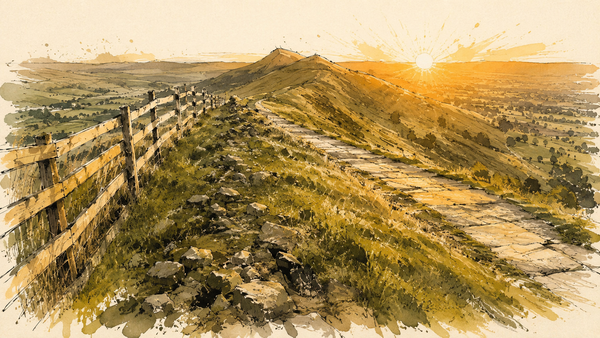
What really bothers me is none of the inconveniences I’ve so far mentioned, what really bugs me and being crude to illustrate the level of my ire, grips my shit, is the absolute disrespect the majority of visitors have for the countryside itself, the filth and mess they spread and leave in the very place they spend considerable amounts of their precious time and cash to visit to relax and enjoy the wild coastline, unspoilt beaches and pristine moorland. Every single day throughout the season, cars park up and armfuls of detritus is scooped out and just dumped beside them. Empty coffee cups, plastic bottles, half eaten food and my particular nemesis, rolled up nappies, surreptitiously poked behind the back wheel only to be mashed into the tarmac as they leave.
Sadly I cannot claim my fellow residents are not litterbugs, I know from lockdown that the minute we were allowed to travel a short distance, the hedges were instantly festooned with fast food packaging and tossed Monster energy drink cans, but the sheer volume of trash in the summer is overwhelming. Early morning beach walks reveal piles of empty beer cans next to the remains of benches, smashed and burned for that hashtag beachlife photograph for the ‘gram. Broken beach tat, plastic buckets and spades, broken kites and failed windbreaks are just left where they fall and the blackthorn and sea buckthorn hedges that line the coastal paths hang festooned with green and black dog poo bags like ghoulish baubles on some dystopian Christmas tree!
Tourist Invasion
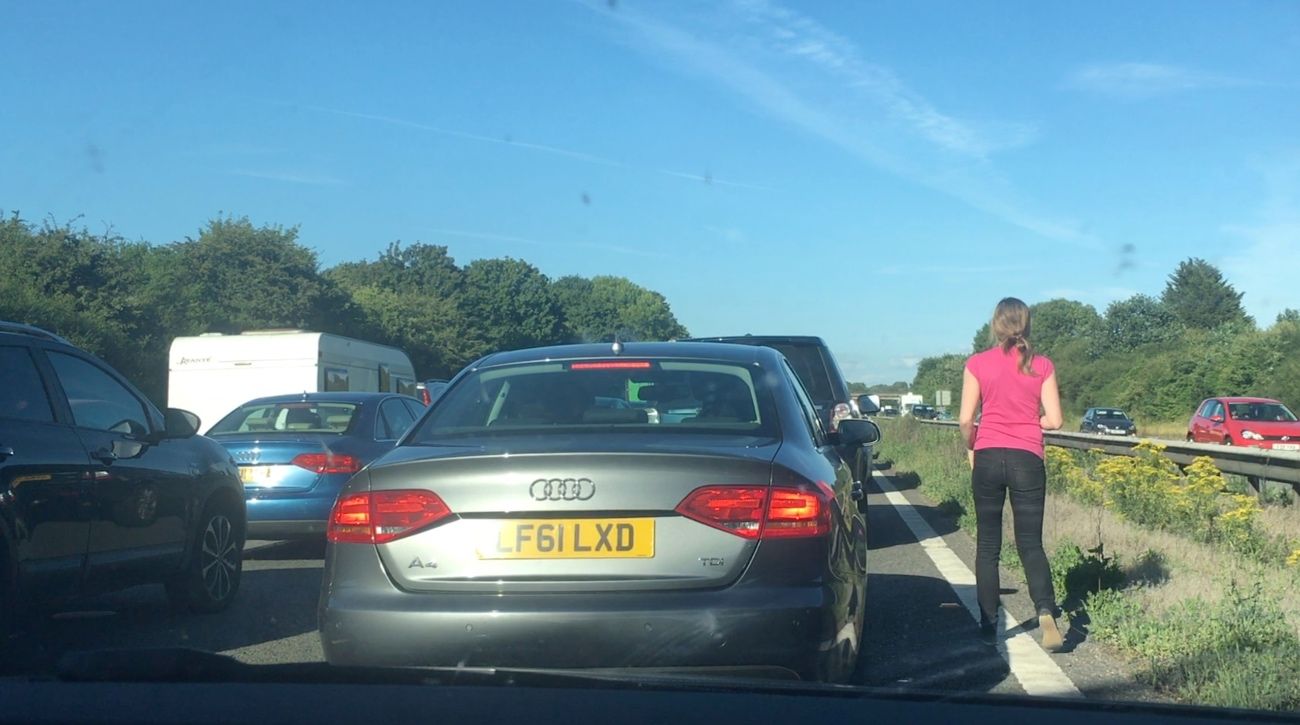
This story is played out in many destination areas around the country. This annual invasion of people, often with very different lifestyles and attitudes to those of us who live in more rural, remote areas. We’ve seen in the press this summer the Spanish resort towns turning against tourists and tourism itself as the pressures on local life, resources and infrastructure reach a tipping point, where local populations are effectively closing for business. There seems to be a growing sense of entitlement amongst the population, an attitude I have heard called ‘giving main character syndrome’, and I think this is at the root of some of the emerging problems. There is a sense that being on holiday removes inhibitions and civil responsibilities. In the village, we see people enjoying a picnic in what is obviously a residential garden simply because they liked the view, walkers disregarding signs and leaving gates open, letting dogs run unmanaged in fields of stock animals or over sensitive nesting areas, people who, when challenged, either stare dumfounded that their individual right to do whatever the hell they want is called into question or become aggressive towards anyone has the temerity to question their actions. Mountain bikers careen down narrow footpaths, wild campers pitch tents and light barbeques and fires in corners of fields or amongst ancient stones on open ground, and families park wherever they see fit to get selfies with the pretty cows or views of the coast.
There is much clamour for access to the countryside, Right to Roam are strident in their calls for unfettered passage, wild swimming, wild camping, green access and blue access, off trail hiking and biking are the buzz words, the lived experience of the wilderness is craved and the interaction with nature seen as an inalienable right regardless of the consequences or on whose land such activities occur. Much is talked about in country circles about the thousands of miles of accessible footpaths, of the open spaces and facilities provided for such activities and the efforts being made to make it easier for people to enjoy and respect the country they live in but I believe they may have missed a very important point.
Education, education, education

Most of the visitors I see in the countryside simply don’t know how to behave in this environment. By this, I partly mean that too few have any concept of the old countryside code, the basics of how to respect the countryside, to leave gates as they find them, to observe signs and stick to paths, not to leave litter and to maintain close control of dogs (and kids!) but more worryingly it seems that there is very little situational awareness.
I’ve seen people blithely walk into a field of cattle and young calves, marching right through the middle of the herd as if these half ton fiercely protective mothers will realise these bipedal vistors with wolves on strings are only having a stroll to walk off a fine pub lunch and that they pose no threat to their offspring, only to react with sheer panic and terror as a large Friesen rounds on them.
I’ve watched in alarm as well-meaning dog walkers toss sticks or balls into swollen, coffee-coloured streams and look on gobsmacked as they realise their cockapoo cannot scramble out of the steep banked stream and is swept away. People emptying from cars, staring intently at the nature boards informing them of what wild creatures live there and yet returning an hour or so later disappointed that they have seen nothing and that it’s all just a con having just marched around the lake, chatting and joking, checking phones and smoking or vaping. People at the beach, standing on wet rocks as they take pictures of the sunset blissfully unaware that the seventh wave myth actually has some kernel of truth and they are in imminent danger of being swept into the ocean.
How can I explain what I see in this behaviour?
To my mind, it’s the equivalent of shouting in a library, swearing in church, talking in a lift or standing on the right on an escalator. It’s putting your feet up on train seats, touching a stranger or jumping the queue. I don’t think it’s malicious or deliberate, wilful ignorance nor plain stupidity. I think it stems from two sources, a lack of education and a loss of curiosity.
That there is a growing disconnect between people and the countryside manifests in many ways.
From the stridency of advocacy groups for all manner of causes, be that veganism, rewilding or banning fishing to social media driven misinformation about the natural world and an overall sense that everything should be preserved, the wedge is being driven wider and deeper.
Just the facts,
The facts about the natural world are no longer being taught. People are creating their own versions of what nature is, cobbling together fantasy scenarios of misty-eyed harmony with claxon alarms of looming devastation which is producing an oddly surreal perception of nature as a perfect Eden oppressed by ‘bad people’ and only a crusaders zeal can restore natural balance. Over and over, these narratives put human beings squarely in the role of being the problem and creating a scenario where the answer to the problems is less people, or more accurately, less OTHER people.
The new GCSE in Natural History, due to be rolled out in September, will hopefully start turning the tide on this void in knowledge but my cynical head fears that it will be co-opted and used as yet another soap box to promote ideologies and dogma, not the generalist ,unsensational grounding in being aware of the natural world around you and a pragmatic, fact-based approach to nature I dearly hope for.

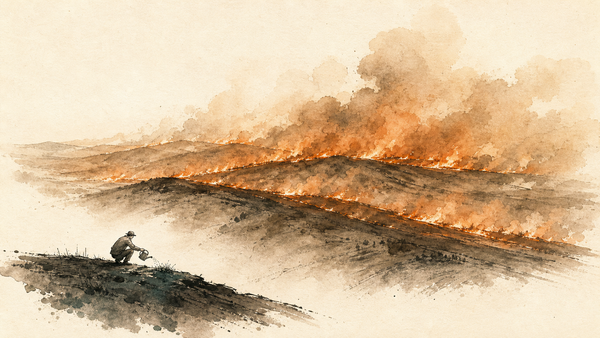
I want to be wrong, and I want the realisation that people need to have a general education in natural history to succeed beyond all ambitions as I think this will tend towards solving that other problem, the seeming loss of curiosity. I want to believe that many people, armed with some rudimentary knowledge about how, for example, a woodland works or what badgers eat, might be quicker to recognise subtle changes, to see things they haven’t noticed before and to perhaps wonder what else they haven’t seen or cannot identify. It may mean that they are more reluctant to ride rough shod across the land, to hesitate before picking armfuls of bluebells in spring only to dump them by the car as the sticky stems and wasp like hoverflies spoil the initial joy. Perhaps people will spot the signs pointing out an area favoured by nesting skylarks and pop the dog on a lead or realise that there is a bin by the car or even one at home where they can dispose of the poo bag.
Maybe they will spend quiet time in the countryside, engaged by what they see and thrilled by how much more reveals itself when the loud voices drop to a whisper and the wafts of Lynx Africa aren’t being blown in front of them. It may be that people would put up with a messy car interior until they get home, preferring it to hoiking their rubbish out of the window and conceivably they might instinctively realise that lighting a disposable barbecue in a bone-dry heathland is beyond the pale. Such change will be glacially slow, there won’t be a Damascene moment but small incremental changes in attitude and behaviour would be a delight to see.
The odd person looking inquisitively around at the sound of unfamiliar birdsong, an unscheduled stop at the recycling bins to empty the road snack detritus from the car, animals observed, not selfied with and the urge to touch or stroke or pick everything unfamiliar, resisted. In time, it might begin the lengthy process of reconnecting people with where their food comes from, how their water gets to their tap, how some places need to be left undisturbed and how much management is actually required to keep our countryside healthy, diverse and a pleasure to be in.

More education can only be a positive thing but it musn’t obfuscate or pull punches. The often harsh realities of the natural world must be faced and not brushed over or sugar coated. As bleak as it may seem to us, nature doesn’t care, indeed the entire universe doesn’t care. Most creatures are either killed by predators, succumb to disease or die miserably from starvation. If a plant species can take advantage of a new habitat, it will multiply as fast as it can until it exhausts the resources it needs and dwindles, allowing another competitor the upper hand. There is no fairness in nature and it is wrong headed to try to apply our morals to the species around us. Despite the inconveniences, I love living in such a beautiful area and am proud it is so beloved of visitors. I just wish they made the effort to treat it with a bit more respect.Maybe, when the first batch of kids do their Natural History GCSE they may educate their parents and perhaps the pendulum will start to swing back the other way.