Should ewe stay or should ewe go now… that is my upland question.
The pros and cons of keeping sheep on my bit of moorland.
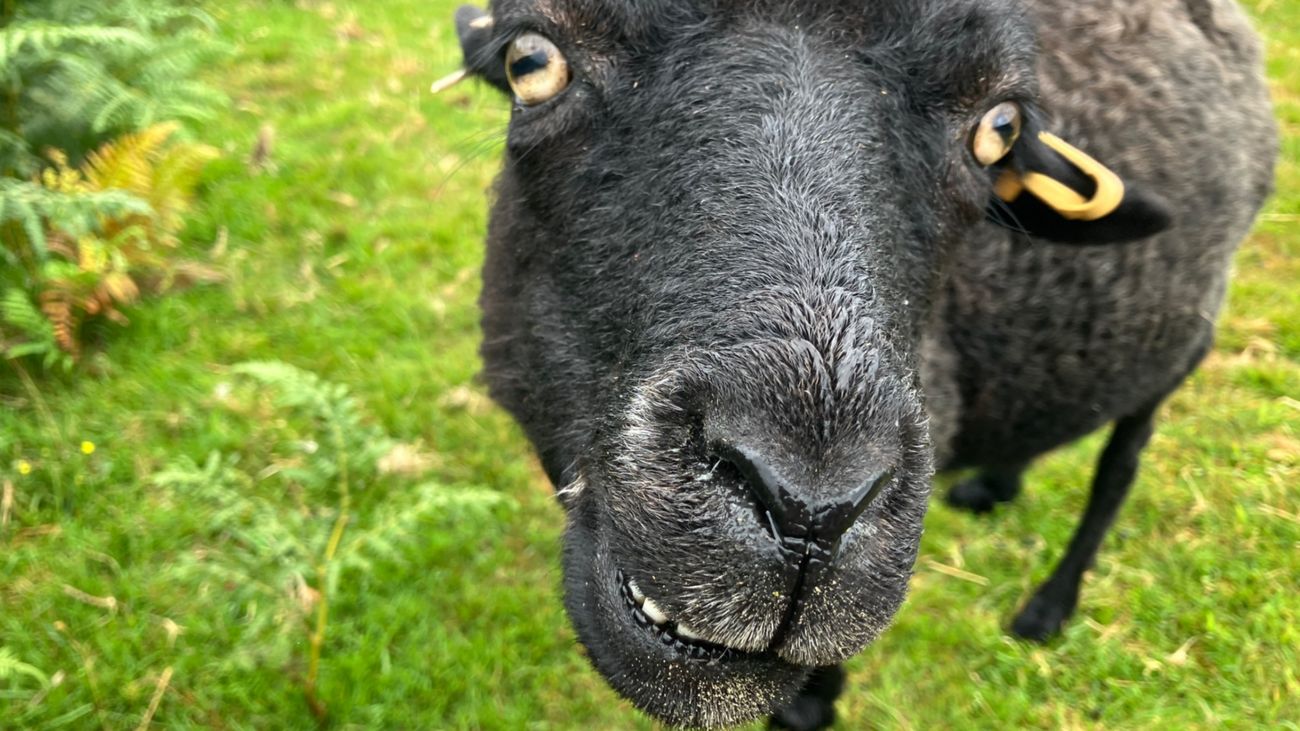
Should I keep the sheep? Today the answer is easy, those sheep can go.
Sell the lot, right now, into the trailer and fair well you bunch of horrible creatures.
It’s lambing time, this morning the in lamb ewes ran through the five strands of electric fence as if it wasn't there to get to the not yet growing grass, (seriously, once they know it’s only a jolt they seem quite happy to break out at cheerful gallop), and in the pens a perfectly fine lamb has decided not to eat, going from fairly robust to limp and pathetic in no time at all, keeping it alive is now a job that needs enormous reserves of patience, holding the wild and unhelpful ewe, getting the lamb under her, onto her teat, opening its mouth and trying to get it to suck. The ewe shifts, the teat slips, the lambs head lolls and its teeth clamp shut as it fights for its right to die. Reset, reattach, retry again. And again.
You can see why it’s pretty easy in April to agree with the many voices that cry ‘the sheep on Dartmoor must go,’ even when the lambs are cute and the prices high.
The problem is that, (as the ewe catches the back of my knee with her horn and the lamb stops it’s lacklustre sucking again,) while I may wholeheartedly agree with the sentiment of getting rid of the sheep, I don’t agree with the wider reasoning. In fact I think the reasoning behind the often-repeated demand is basically and catastrophically wrong.
Some vocal modern environmentalists, especially on Dartmoor, have come to the slightly surprising conclusion that sheep on Dartmoor, especially in winter, are a disaster playing out at vast scale. They destroy the plants that should be thriving. They pollute the very ground they walk on. They are basically just woolly maggots, sheep wrecking the land.
(Sheep wrecked. I bet whoever though up that phrase was particularly pleased with themselves, it’s so simple, so evocative, it conjures such images… the damaging storm, the small woolly creatures grazing on the cliff top, watching the sea with their slightly weird eyes, waiting for the vessel to mistake their lights for safe harbour… or maybe not) (and woolly maggots? While not exactly appealing to look at are, from an ecological perspective maggots are brilliant creatures, that keep the whole show on the road, cleaning up all manner of stuff, while also being a tasty meal for whoever needs some easy protein!).
The argument goes that sheep are the reasons for the ecological decline on our uplands, eating the delicate plants and leaving the unpalatable ones to take over. They overgraze land, and they are unnatural, not from around here, invaders from foreign parts, so they eat differently from ‘native’ grazers like bison or deer. Nipping off plants rather than tearing at them. We are told they even eat every sapling trying to grow, which is why the moors are barren desolate wastes. Without sheep we would have, in one easy step, an ecologically rich and recovering landscape.
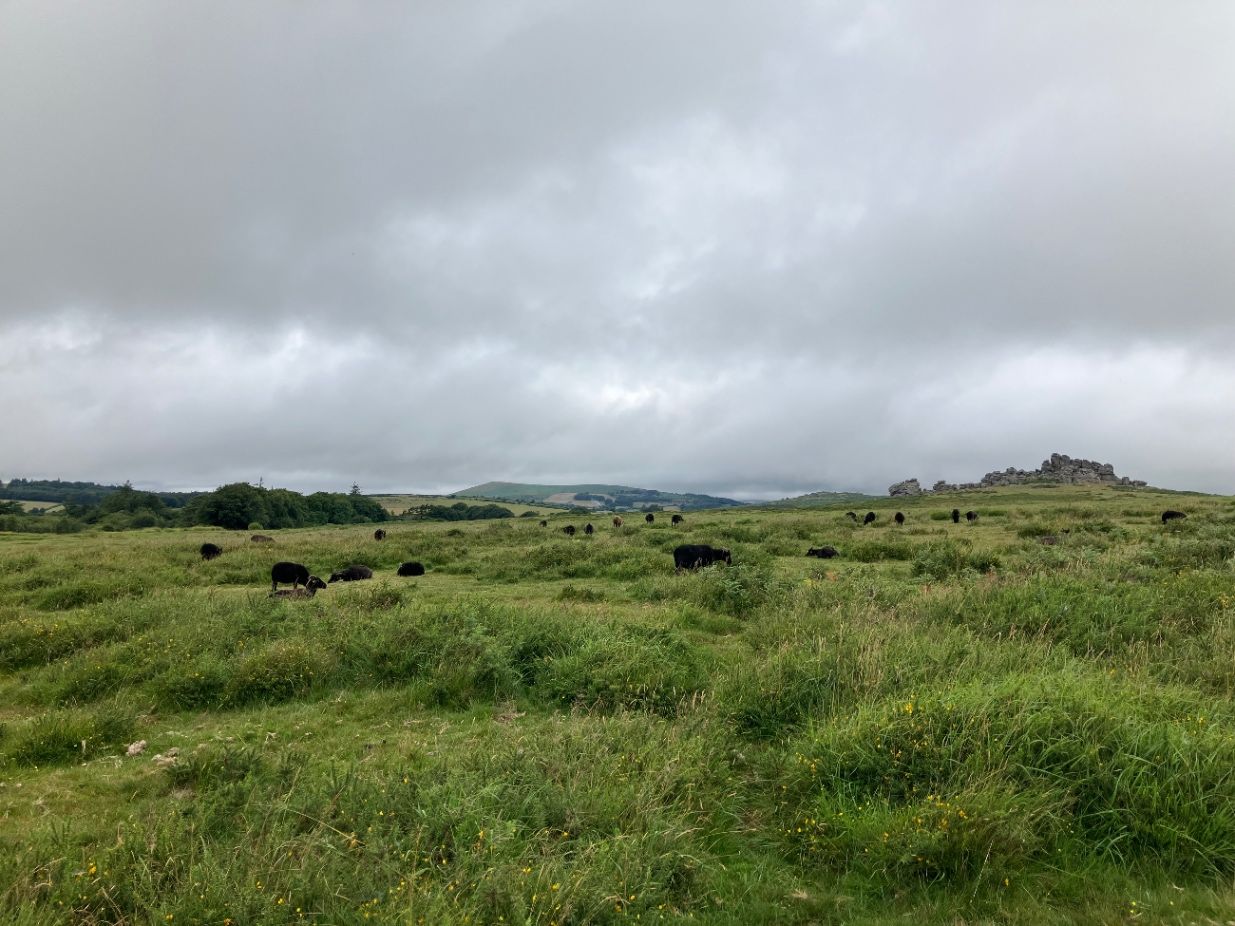
So why bother? I am after all a bird lover, a fungi enthusiast, a person prone to enthusing over lichen. Surely I should be acting on the loud pressure to get rid of the sheep? If I add in that sheep break in and out of fields with a tenacity that depresses and impresses me in equal measure, they need daily checks, sometimes hourly at lambing. They need food, water, minerals, and meds. They get chased by dogs and hit by cars. They get graphically named diseases where the first symptom is ‘found dead’, or worse… ones where the nursing is intense, often fruitless, and expensive, so you get fond of them, spend heaps of money on them and then they die. They have regulations and rules, they have paperwork that must be kept up to date. Ear-tags that go missing and feet that need trimming. They pick up parasites inside and out, and get caught up in brambles given half a chance. One even, on a particularly notable occasion, vigorously launched itself horn first into my face in a wild and semi successful attempt to knock my teeth loose.
I am also being given financial incentives to get rid of the sheep. The new SFI moorland options seem to be offering lumps of cash for hill farmers if we’d only just stop with the sheep and do as we are told.
So, seriously, why do I bother?
Other than plain old fashioned cussedness, where I just don’t like being told what to do by some folk who have a had a ‘bright idea,’ my main reason for keeping sheep on the moor is the beetles.
And the birds.
And the bats.
The plants.
And the waxcap fungi.
And the roast mutton.
I shall explain…

The beetles the birds and the bats…
A sheep is a walking bleating pooing machine. Watch them for any length of time and you’ll see they all do the same thing, they wander about eating some vegetation, sit and chew for a bit, then out comes dung. Masses of the stuff. Their output is in the range of a kilo of the stuff every day (depending on the breed) …
And if you farm with very few insecticides that dung is the start of something very special, it’s the very stuff of life for dung beetles, and dung beetles are the very stuff of life for birds, bats and a host of creatures that need a small nutrient dense crunchy snack
So sheep have a purpose! I shall keep them!
But, oh but, I would say that wouldn’t I? I farm sheep, I have a nasty capitalist axe to grind. Just because sheep poo is no reason at all to keep them. Cows poo, ponies poo, even the many visitors' dogs poo freely across the moors. There should be no shortage of dung beetles, and considering the size of a cow vs a sheep surely changing to cattle would mean more beetles?
The woolly things can go.
But…
There has recently been a study on dung beetles on Dartmoor (link below I hope), where they studied cow, pony and sheep dung on the open moor. They found, unsurprisingly, that different dung beetles preferred different types of dung. A pony poo dung beetle is not always happy in cow muck, one that likes sheep dung is not so comfortable in pony dung… they also found that in the best dartmoor farming systems sheep poo hosted the most beetles per litre. By a lot.
The figures are impressive. On the best site there were over 350 beetles found per litre of sheep dung, 186 per litre of pony dung and only 6 per litre of cow dung. That’s a lot of beetles. 100 sheep could feed 35,000 beetles a day, over a million beetles a month. That’s a lot of bird food. Even where the normal amount of farming chemicals are used the numbers, though much lower, stack up. Sheep support 30 beetles per litre, horses 8 and cows only 2. (It’s worth noting, thats a huge difference, 1 million beetles or 90,000 just because of some wormer and anti fly treatments. What on earth are we playing at using that stuff in the way we do?)
And one beetle in particular, the Minotaur beetle, a large winter and late spring beetle is enormously important. A winter source of protein, a easy snack for our winter migrant birds and especially for bats. A greater horseshoe bat, (90% decline in population in the last 100 years) has a semi active hibernation, waking and eating and moving roosts. They eat beetles, especially larger beetles, and if we loose the dung beetles we are in danger of starving the bats.
Now not everyone farms with very low insecticide use, but I do, so my sheep feed bats and golden plovers.
Keep them!
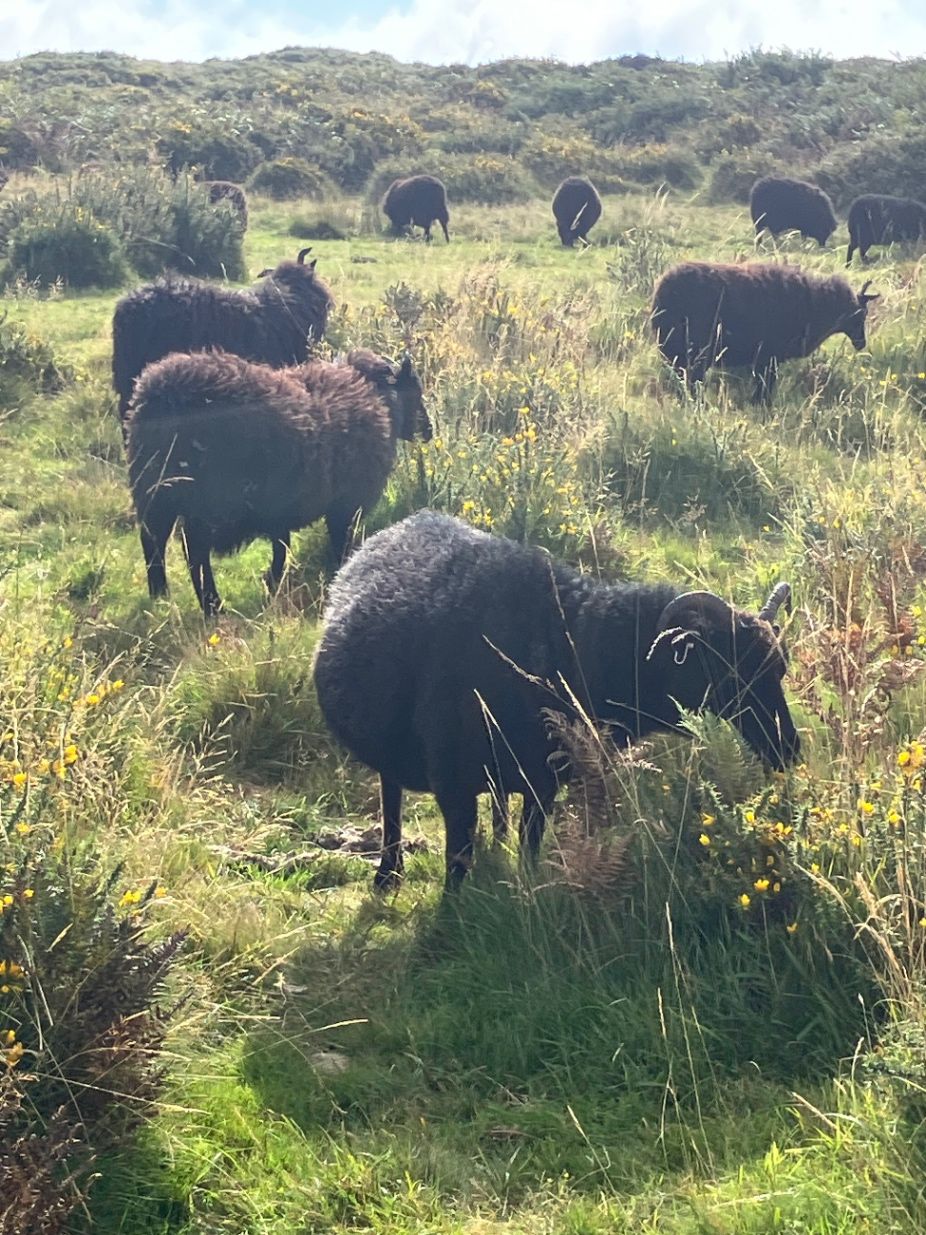
The sheep teeth vs nature.
But what about the plants they damage? The heather nipped in the bud? The wildflowers grazed to the ground? Will that swing the argument?
Well, yes, sheep are (mostly) vegan, they do eat plants. In fact they eat an awful lot of them (hence the poo). But, as with so many things, it is not quite as binary as it can be presented.
Firstly, different sheep like to eat different plants. Tough little hill sheep eat stuff that other less rugged sheep wouldn’t touch. My Hebridean sheep love gorse, and hate heather. Other hill breeds are partial to heather and wouldn’t touch mollinia. The Shropshire sheep are renowned for never eating a tree and the Whitefaced woodland will climb a fence to get to a clematis. The breed matters. Since I swapped from exmoor horn sheep to the Hebs our heather on the hill has gone from almost none to lots.
So yes they eat, but what matters more when it comes to grazing is the way animals are moved across the land. A static bunch of ewes, leared (hefted if your northern) to a particular patch of ground will eat pretty much everything on that patch. Now while some areas of tightly grazed land are good, if for example you are a waxcap fungi or one of the bird species that need short turf, too much is not great. The dung builds up, so the next thing you know the sheep need worming, then the beetles die and you may as well not have the sheep at all. You need to find a balance, where the pressure of the teeth is useful rather than too much. It’s tricky, and we have forgotten the art of full time shepherding (and can’t afford it anyway) but the simple act of moving the sheep away from their preferred spot can ease that pressure. I’m not at all sure the no fence collars will work with my sheep (if actual fence doesn’t work what hope is there!) but the idea of needing less wormers if the sheep are pushed about on the hill a bit more is deeply appealing to both my beetle heart and my farmers wallet.
So, keep the sheep, as long as the land gets some rest from the teeth throughout the year, and you’ve picked the right breed for the job in hand.
Ok. Right.
But…
The trees the trees!
Now the big one. The granddaddy of arguments against sheep.
The trees.
If you have sheep, you won’t have new trees. And new trees are important. Sheep eat saplings to such an extent that they are the reason that huge areas of the uplands are treeless. It’s a very compelling argument. After all sheep do like browsing as well as grazing, and the uplands are treeless.
The problem is, here, on my land and the surrounding hills it’s blatantly obviously not true. We have sheep. We also have trees. Lots and lots of brand new trees. Trees that turned up in the headage payment days when stock numbers were at their highest, trees that started life in the ‘feed the nation’ post war days. Trees that are only a couple of years old and doing well even with my sheep on the hill. Even Whistmans wood, the remote Dartmoor woodland of myth and story has been growing consistently for decades. Not fast but noticeably the woods are expanding.

And there, next to them, in them, the sheep graze.
If I was looking for an easy life I would push that uncomfortable observation aside and fall into line, sheep equal no new trees. Sadly, I only have to wander up my hill, and I am faced with a different story. There are trees all over the place. Haytor is littered with them (to the detriment of its SSSI status), and on my land I’m in a bit of trouble about the number of trees on our scheduled ancient monument (even with the sheep)… trees everywhere. I only have to look at the old maps and photos of my land to see just how many trees have arrived, with sheep on the land. If you want to see it for yourself just have a look at the National Library of Scotland maps, where a handy side by side viewer lets you look at old and new aerial photos of most of the uk.
Now I’m not saying sheep never eat saplings they do. Some trees undoubtedly die. But as my land is not a treeless wasteland I am not that worried. After all, those leaves turn into sheep poo and therefore feed the beetles.
The finances…
I am faced with one last argument, and it’s tricky. There are strong financial incentives (government SFI payments) to get rid of the sheep. If I go for the highest paying moorland SFI (UPL3) it requires a total stocking rate of 0.04 per hectare. We have about 70 hectares of moorland. That’s not a lot of sheep. And if we have some ponies up there as a well it’s really not a lot of sheep (or very many ponies)
So if I want subsidies, the sheep must go.
But… ah. I can’t get the payment anyway! The defra computer system has a glitch. No common or shared ownership land in England can apply for SFIs or countryside stewardship, and that includes my bit of hill. So that’s not worth worrying over for a few more years until they fix the glitch.
The tasty chop and stew.
So far, I’m coming down on the ‘the sheep stay’ side of the argument, and this part I feel is not going to sway me.
I farm. I am a farmer. I have, tucked deep in my soul a stubborn unshiftable certainty - I need to grow food. My land is not arable friendly. I can’t grow much non-meat food without huge ecological damage (ploughs aren’t particularly friendly to wildflowers or soil fungi). My land is steep, it’s rocky, it’s not tractor land. We used to grow potatoes, a strip of barley or oats, some turnips maybe on the lower fields, until the ploughs went from single horse drawn machines to more modern mechanised ones, and ploughing around the rocks became uneconomical and machine breaking work. Since then this place has been meat focused, and those sheep? The ones that feed so many beetles? Well they make delicious meat.
Hebrideans don’t grow fast or large, but they do taste amazing. Imagine life without lamb chops, or shepherds pie? No leg of lamb? No haggis? No mutton stew on a cold winters evening? When we have one killed for our freezer we have the skin tanned for sheepskin rugs, and I even know how to turn the fat into soap. Useful things those sheep. I feel I’ve found a balance of right sheep in the right place, growing some very tasty (if small) chops while not harming the land.
But, oh but… There is an argument that because we as a country export lots of edible bits of lamb we should grow less of them. We should only grow the tonnage we as a nation consume.
The problem with that is what we export. The offal and tricky bits go abroad. We keep the prized (by us) cuts. Letting others eat the bits we don’t fancy. But what’s wrong with that? Different countries have different food cultures. If we can grow food for ourselves and others that’s amazing, we aren’t just being the endless takers, we can do a bit of giving too. I love the idea of a family somewhere else in the world sitting down to eat what I have grown.
So, on balance the sheep can stay.
The millions of beetles, the waxcap fungi, the skylarks, the bats and the birds, the stubbornly visible trees, and the heather, the lovely crispy bits on the edge of the lamb chops all weigh down the scales to a decision ‘keep the sheep but make sure you graze them properly’.

The ewe shifts suddenly again, digs a sharp horn into the soft bit behind my knee again, the lambs head lolls sideways again and my back has a new dull ache. I give up, time for to milk her out, and use a stomach tube to get this lamb fed. A process none of us will enjoy.
I straighten, glance at the meadow. There are three ewes the wrong side of the electric fence… again.
Those sheep can go.
Links-