The Golden Plover’s Secret: Wildlife Management That Works
Discover how a missed shot at a bird led to the birth of the Guinness Book of Records—and why the golden plover may be key to the future of Britain's wild places.


Back in November 1951, Sir Hugh Beaver (then Managing Director of Guinness Breweries) was shooting with a party in the charmingly named North Slob, near the river Slaney in County Wexford. He’d taken a shot at a bird and missed, its speed having outdone him. The bird that bested Sir Hugh was the Golden Plover.
After the day in the field, debate raged amongst the party as to which was the fastest game bird with the two top contenders proposed being the Red Grouse and the Golden Plover but no definitive answer could be found. No reference book carried this information so the debate could not be settled.
A World of Records
It dawned on Sir Hugh that this and many other questions of the fastest, longest or highest must be going unanswered up and down the country as no single book provided definitive proof. He resolved to address this and, following a recommendation by a member of his staff, commissioned twin brothers Ross and Norris McWhirter from a fact checking agency in London to write the first of what was to become The Guinness Book of World Records.
The book never actually answered the foundational question as it concerned itself with WORLD records and the title of fastest game bird in the world was awarded to the Red Breasted Merganser with a recorded wind assisted speed of over 100 mph!
Mind you, the Golden Plover is certainly no slouch, capable of long-distance cruising at 50mph with turns of speed of 60 – 80 mph recorded, plenty fast enough to bamboozle Sir Hugh.
The Golden Plover
Arguably one of the most beautiful of our quarry species, golden plover are often seen in large flocks in the winter in the company of Lapwing over lowland fields, coastal estuaries and wetlands. With their melancholic fluty call, narrow swept wing and purposeful flight, once you know what you’re looking for, they are relatively easy to spot as they fly in high to their feeding grounds.

Notoriously challenging to shoot, these birds demand a rather specialised approach, requiring the aspiring hunter to develop an understanding of their movements and feeding habits. Stealth and camouflage is a must as they are an especially alert and wary bird, success often coming from concealment in hides on the foreshore at low tide or on farmland feeding areas. Getting close to them is only the start of the challenge as their fast, erratic, darting flight will test even the best shooters’ skills to the limit. However, patience, fieldcraft and a goodly dose of skill is rewarded with arguably one of the tastiest of table birds, rated better than woodcock by many, they were served as luxury items at high-end establishments, although the assertion that they remained on the quarry list because of the dining penchants of the House of Lords may be apocryphal.
Unlike sadly many of our other native waders, golden plover, whilst having seen some declines in numbers, remain a green listed species in the UK. Woodcock and no snipe are in steep decline in terms of UK breeding pairs and the plight of lapwing, curlew and redshank place them firmly in red list status.
So why is the golden plover not being as dramatically affected as these other waders?
Surely they occupy broadly similar niches in terms of foodsource, habitat and breeding territories?
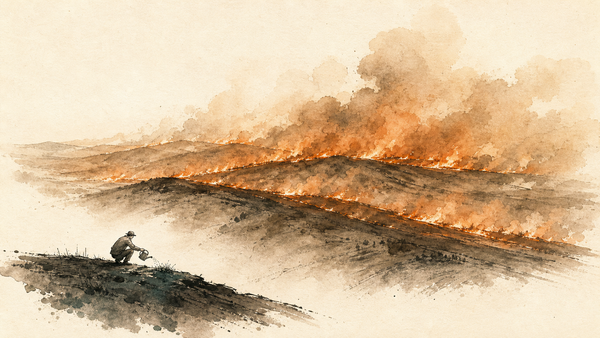
Could it be that, unlike the other species, golden plover particularly favour heather dominated moorland as their breeding sites, particularly those with controlled burn practices?
Could it also be that this preference coincides with actively managed grouse moors?
I am by no measure an ecologist or even remotely qualified to make anything more than loosely informed assertions on such matters but it strikes me as, if not self-evident then somewhat persuasive, that the wader species that remains green listed in the UK prefers to rear its young in areas protected by intensive predator control and active habitat management.
I'm not qualified to say
Let’s extrapolate from my uninformed assertion a little. Setting aside our country’s squeamishness about killing wildlife, current gamekeeping management best practices produce positive results for our wildlife. Moorlands managed for grouse are reservoirs of abundant, diverse life where those unmanaged areas are dwindling. Wetlands that are managed for game also benefit breeding waders and woodlands conserved for gamebird rearing are more abundant than those left to deteriorate.
Time and time again, the annual returns from places like Bisterne, Peppering, Cotherstone and Arkengarthdale moors prove that active management and importantly planned predator control produces the results everyone says they want - increased biodiversity and improvements in the number of successful breeding of ground nesting birds. Rank and file staff and volunteers of the various large wildlife charities also know this to be true yet the official policy of many of these organisations is to deny any benefit in rural management, preferring instead to continue expending vast sums of taxpayers’ cash on often futile measures. Putting anti-crow cages around a lapwing nest is all well and good but it ignores the fact that male lapwings will be scouting suitable areas long before breeding and eventual nesting takes place and if they sense over pressure from predators, foxes, corvids, rodents etc, they will move on to try to find somewhere less threatening.
On ground that is actively managed for shooting, these meso-predators are largely controlled and monitored, reducing the predation pressure on that area and tilting the hand in favour of the ground nesting birds as well as the other small prey creatures that live there. When best practice is adhered to, or even attempted, release numbers for gamebirds shouldn’t overstress the holding capacity of that ground and the additional feeding will help reduce winter starvation for many of the wild inhabitants. Additionally, it is often the case that woodland is managed, if for nothing else than to allow beaters access to them and in many cases, hedgerows are looked after, nest boxes are put up and cover crops are increasingly a mix of species that provide for pollinators, cover for small animals and insects and additional winter feed sources rather than simple blocks of maize. Wetlands are left wet and ponds are dug. Farmers will often be sympathetic to these efforts and avoid excessive spraying where possible and little rough corners of the farm are seen as having value in and of themselves. From this, species that struggle to hold on are finding a foothold and even take up residence again after periods of absence. Such returns and new sightings often spur the custodians to greater efforts.
Nature's bellwether

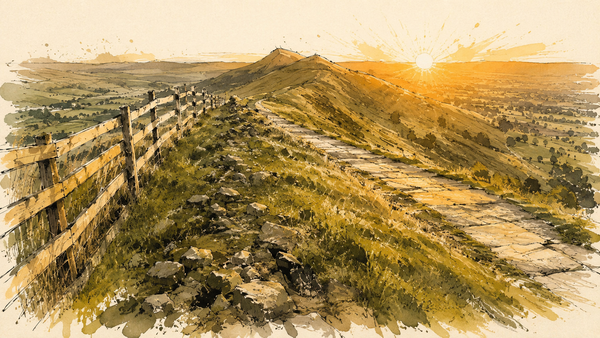
We should perhaps pay more heed to the golden plover, not only as a worthy quarry species but also as a bellwether. As managed grouse moors come under increasing pressure with calls to ban muirburn and insistence on tree planting and rewilding grows, a decline in this beautiful little game bird could provide the key data needed to refute some of the current thinking on what’s best for our wilder places. It may also provide a rallying point for public opinion as to the benefits of shooting and the management practices that go with it. It may help shine a light on how the majority of the shooting world has grown to value the wild plants and animals it has stewardship over and create a new mood in the country where the ultimate goal is not to target all resources at trying to preserve a dwindling population of creatures by setting up tiny islands of purportedly suitable habitat and the very public wringing of hands when these expensive efforts fail to turn around the decline. There used to be red grouse on Dartmoor and there was even a small grouse shoot on Bodmin moor but since the cessation of management, they are there no longer. If you want to see them, you need to go to a managed moor and on these moors, a harvest is only taken if the counted numbers prove a surplus.
As the call from certain sides of the debate continue to demand the end to managed heather moorland, bizarrely the fate of the grouse, should they succeed in their aims, seems to be conveniently ignored, perhaps the grouse themselves are seen to be in cahoots with the privileged toffs who pursue them, whilst the hen harriers and merlins are so low in number and so ideologically charged that both camps want to claim possession of wins and point fingers at failures. The golden plover then stands as the quiet success story and potential barometer for the imposed changes underway.
Heresy?
What if the grouse moor approach was taken for our other struggling ground nesters? Grouse are only managed because they have a value. Perhaps we should start to look at the golden plover in the same way. With grouse moors, their major breeding areas are currently somewhat secure so if effort was put into winter feeding grounds across the country, this could improve the opportunities to take on this challenging bird. Such feeding grounds would also benefit the red listed waders too. The data available on successful breeding pairs could be used as a model to apply the same techniques on the breeding areas of the curlew, lapwing, woodcock and snipe. With on the ground knowledge of the numbers fledging, a point of surplus could be established and guidance on acceptable bags produced. Such a system works in many places around the world from whitetail tickets in the US to salmon quotas in Ireland. There would then be an incentive for success in the projects designed to assist these birds, they would have a definable value and be able to produce an identifiable income rather than where we currently are, a never ending demand for funding with rather diaphanous promises of eco tourism spend and improvement in populations without any consequence for failure.

It’s almost certainly heresy right now to suggest the sustainable shooting for sport and table of lapwing and curlew but this is exactly the proposition of the English partridge re establishment programmes, renovation and improvement of suitable habitat to produce a harvestable surplus.
Two things seem self-evident. Firstly, those on both sides of the fence with an interest desperately want to see a return to healthy populations of our red listed birds and secondly, the current efforts that receive so much public funding aren’t producing the goods.
It is often said that repeating actions in the expectation of different results is a path to madness, yet we have tried the current methods for decades now without the promised results and seem doomed to endlessly repeat them. It must surely be time to try a different tack and perhaps the management techniques honed and perfected by shooting should now be given the opportunity and support to try to achieve what has so far fallen short.
So as this season draws to a close, perhaps look at the ground you pursue your sport over and consider if you might be able to attract some golden plover over the coming years for they will surely be accompanied by their wader cousins. Pit your wits and your skills against these marvellous birds and if you do succeed, enjoy a hard won meal fit for a Lord!