We have messed up, by being far too tidy.
I have a theory, that we have tidied our land up far too much, and all because we have spent hundreds, if not thousands, of years tidying our farm yards, so folk would know our food was safe to eat!


I think we have got ourselves in a mess, and it is all because we want to be far too tidy…
Once upon a time, many years ago, our farmyards were our shop window… and that simple fact has destroyed an enormous amount out of wildlife. Which seems, to me, a shame.
Mind you, I can quite see how it happened, and why tidy farming is so embedded in our culture. Let me explain my Tidy Farm theory.

So, back along in times of yore…
When farms produced food, (rather than ingredients to be formed into food elsewhere), when the dairy held cheese for sale, the kitchen was where the bacon was cured and the eggs were carted to the market square weekly, the state of your farmyard, kitchen and dairy mattered. Buying food from a dirty farm meant risking your health. Buying milk from someone with grubby hands was buying trouble. Clean aprons, boots and a well-swept yard all let your customers know that you were a trustworthy sort, someone who cared and took pride in your work.
The risks if you dared to buy from the scruffy, the grubby, the mucky were high. You could easily kill your kids, or yourself, with just a few mouthfuls.So, yards were swept, daily. Aprons washed and changed again and again. The wagon heading to market was kept clean. The eggs baskets lined with fresh hay. And the customers bought your wares.
Added to this if you didn’t muck the calf pens out well enough, well then, the next lot of calves probably died. Biosecurity and basic animal husbandry were pretty important before antibiotics came along…
Our efforts at tidying the place up spread out from the yard. Hedges were kept nice, weeds cut back, the muck heap placed discreetly out of sight, but there were limits. Yes, the kitchen garden was tidy lines of produce, but in the fields the sheer hard work that would be required to tidy the whole farm kept the clearing up in check. While the ploughman may have hung his head in shame at a wavy furrow, the wild corners were allowed to run astray.
Competition between neighbours
Now in a world where your market is local, and limited, where years of trust and barter make or break your business, you look at your neighbours not just as friends and helpers, you also look at them as your direct competition. Dave, down the road, was a bit grubby, everyone knew this, and that affected his sales. John on the other hand kept his place spotless, his cattle clean, his dairy well washed down and his cheeses sold out before he even got to his market stall. John passed your place a few times a week, you met him in the pub. You saw Dave;s cattle up on the common, and shied away from the food his wife placed on the harvest festival table.
You judged and were judged, by your peers as well as customers. It mattered that your place was in good nick. Community standing, such an old-fashioned phrase, was vitally important in a world before online reviews and social media shaming. How your farmyard looked could break you.
Tractors and the modern world
Into this competitive, small and tidy world a new player turned up. One that played by different rules. Horsepower in metallic form suddenly meant that the tidy farming could spread out from the yard and right across the land.
No longer was it enough to have a clean dairy, cows, overall and buildings, now you could also have ruler-straight hedgerows, every tricky corner could be cleared, those awkward rocks shifted. You drove past your neighbours, craning your neck to see if their farm was tidier than yours, for extra bragging rights down the pub.
As the machines grew and the farming world split from general mixed farming to specialised areas of expertise, the clearing up speeded up, - Hedges, released from the untidy necessity of keeping the cattle in, on what was now purely arable land, were swept away, (and that sweeping undeniably made us more food). We changed the land as though it was a crumpled pile of laundry, ashamed of the state of it we took our machines and ironed it out into something respectable. We rolled, flailed, cut, dug, and levelled a huge amount of land in a very short amount of time. Watching over the (fast-disappearing) walls as our neighbours did the same.
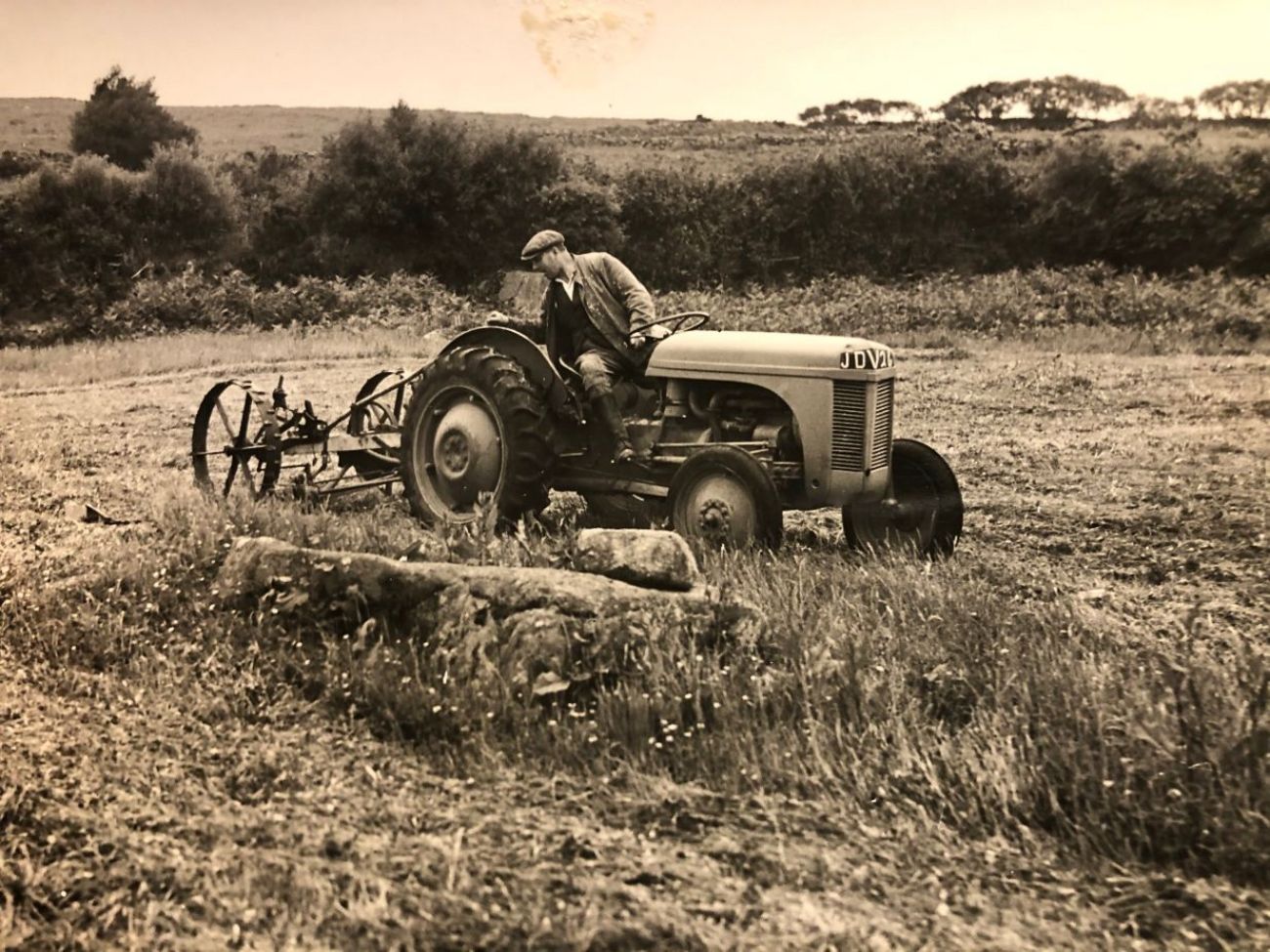
The government looked on pleased, as it added financial incentives to modernise our food production (probably the ministers also looked with envy across at our country's neighbours, ones that had embraced the tidy farm mindset and run with it faster and further than us). We were paid to tidy up, straighten up, level the land, and mechanise, and penalised if we didn’t.
The wild tidied away
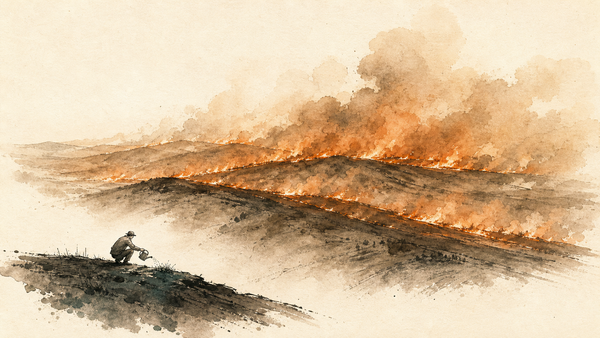
In our rush to keep up, very few of us stopped to look about and see what we were losing. We had mowed corncrakes out of England decades earlier, but did not think about other birds hiding out in the rough edges and tangled corners of our land as we started the tractors and revved up the flail; and while we were not thinking, while we rushed ahead into this brave new world, the birds, bats, beetles all slipped away from us.
I say slipped away, like it was a gentle thing, one of those euphemisms for death that attempt to cover the hard truth with soft words, but smashed may be a better word. Sliced, diced and starved. Pushed into ever smaller corners to eke out a hampered life. If we don’t look at what we have done with a clear eye and talk of it without euphemism we are doing further damage. Adding insult to injury. We did, on a devastating scale, do horrific damage. Yes, it worked, we fed so many people, and yes it made our lives so much easier, we have cheaper food and far less manhours per calorie, but we Did do damage.
And part of that damage was down to wanting farms far too tidy, so the neighbours didn’t tease us down the pub.
Where the wild survived, thrived, was where it was important to the landowner and therefore noticed. Coverts and rough shooting played a part, individuals' love of birds or trees or any of the other myriad of other special interests, kept pockets of untidiness alive. The finances of the farmer also played a part, if you couldn’t afford the machines you tended not to tidy up so much. So scruffy scrubby pockets of land survived, but only if there was someone who cared enough to take the social and financial hit. The government BPS payments made sure that you knew the cost of a patch of bramble or unruly gorse. Letters would arrive to those holding the scrub dear, telling of a reduced payment after satellite mapping had discovered terrible mess where uniform tidy edges were expected. One by one the pockets were tidied up.
The woods, untidied.
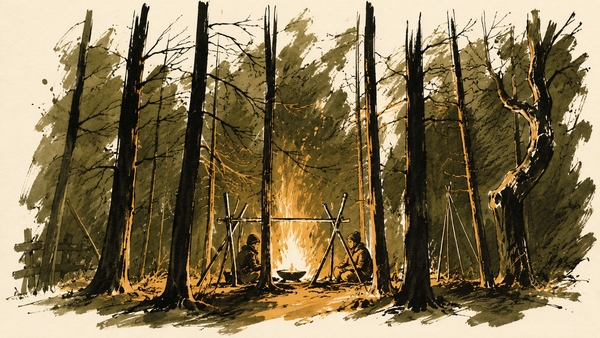
While out in the fields the land was cleared, the woods went the other way entirely. Farms once were pretty (not entirely) self-sufficient. We made food and we ate that food as well as selling the surplus (and buying what we couldn’t make), we drank the water from our own wells, and we used our woodlands for fuel, building materials, fodder and food. The woods on most farms were a well-used space, full of working folk and pigs, not a wildwood. They were a managed and vital resource.
And then the big machines turned up and our small woods became less useful, the idea of felling a handful of trees, or milling them onsite became unprofitable nonsense, and who needed a coppice now? Small woods were left to fend for themselves as our timber needs were outsourced to large commercial forestry, often overseas, which produce huge amounts of very useful wood.
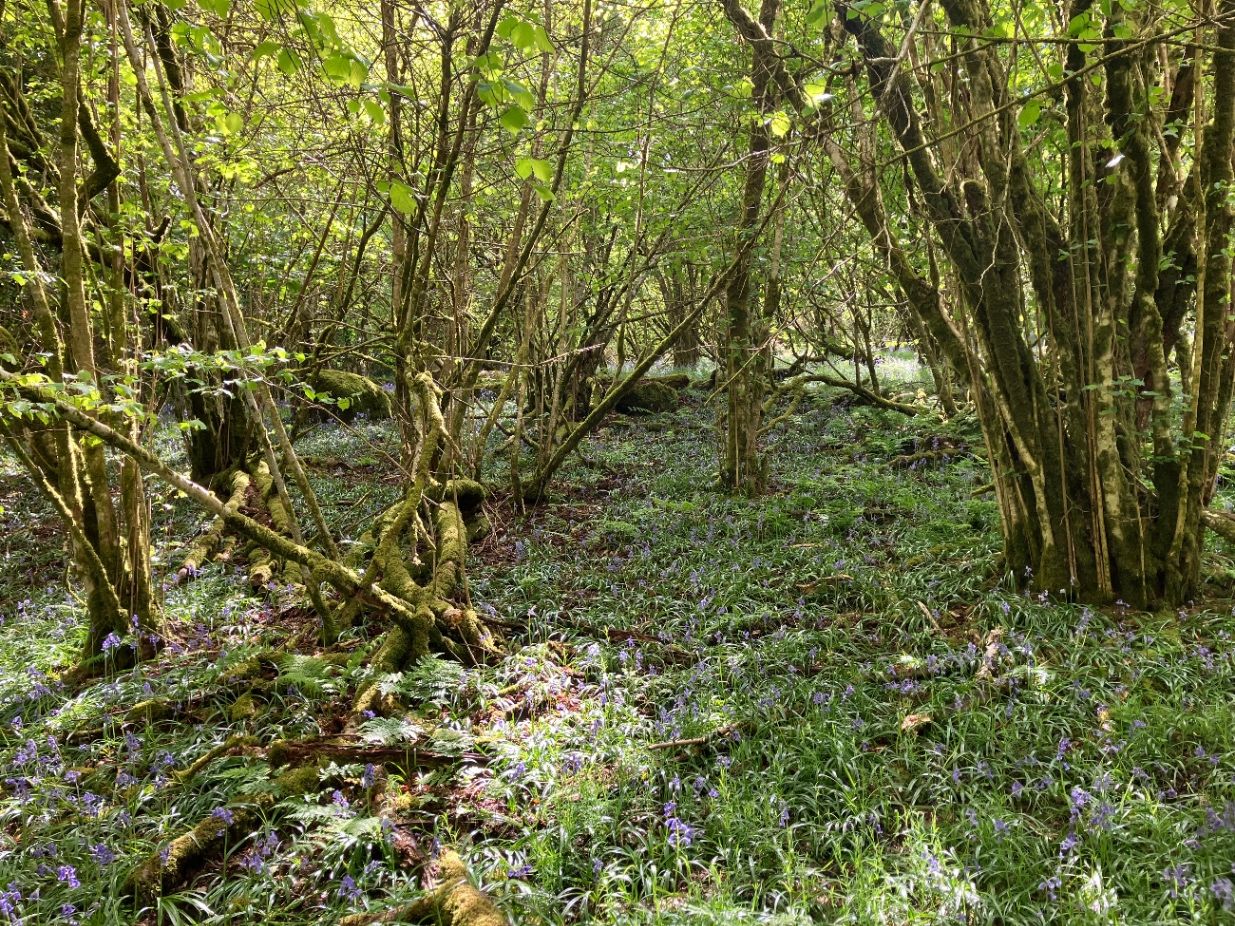
On the surface that should have been a good thing. The self-willed land running wild. We are told that people doing stuff to the land, (rightly in the case with modern, industrially farmed land), are very damaging things. So releasing the woods to run riot should surely be a huge win for wildlife.
Should… yet… somehow the wood white butterfly has declined by 89% since 1970, a decline linked to the end of coppicing and charcoal work.
Other butterflies also have fared badly, as have an awful lot of birds. The willow tit is a vanished bird across most of England and people now travel miles just to hear a nightingale.
Light loving lichens declined, and understory plants failed to set seed.
It turns out that the tidy and important work we did in the woods was largely beneficial for both man and beast. Not wholly, the dead wood dwellers struggled when we took what we (and they) needed, but the glade creatures, the disturbed earth lovers and the dense coppice nesters all missed us when we retreated.
It may well be (it is) easier to buy what you need than make it yourself, it is certainly cheaper if you needed to employ a forester, or woodsman, or account for your own hours. I am as guilty as anyone in letting my woods become undone, but we should face that the balance tipped in our favour and creatures slid off the land into almost mythical status, (or to put it less poetically, they died).
Now what?
Now what indeed.
There are many bold plans afoot to mess everything up again, or at least field corners, and uplands, and riverbanks, but without the farmers, landowners and land workers on board none of them will get very far. Making small islands of biodiversity is all very good, but we need a connected landscape of plenty.
I guess the first thing we need to do (and by ‘we’ I mean the people outside actually doing the work,) is face the damage done while we kept up with the Joneses. We, in our race for a tidy farm, damaged wildlife. We need to face that damage, even if we were doing what we were told (and paid) to do, and were also doing what makes a great deal of very welcome food - we did hurt the other, wilder tenants of the land.
Next, we have to start getting competitive over other things. Our yards may need to be tidy still, biosecurity and sensible hygiene rather than local customer confidence rule now, but we can surely start to take pride in the scruffy corners that harbour those red listed birds? Look on those unruly edges and patches of ‘weeds’ as good land management rather than bad...
Once we start getting competitive over the wild things, who knows what we can do! We are nothing if not good at getting on with a job, especially one we want to brag about down the pub…! Curlew yields and rare county biodiversity records entries instead of price per kilo… species counts discussed and argued over… Imagine the difference we could make if we stopped tidying it all up and let a bit of mess back onto our land!
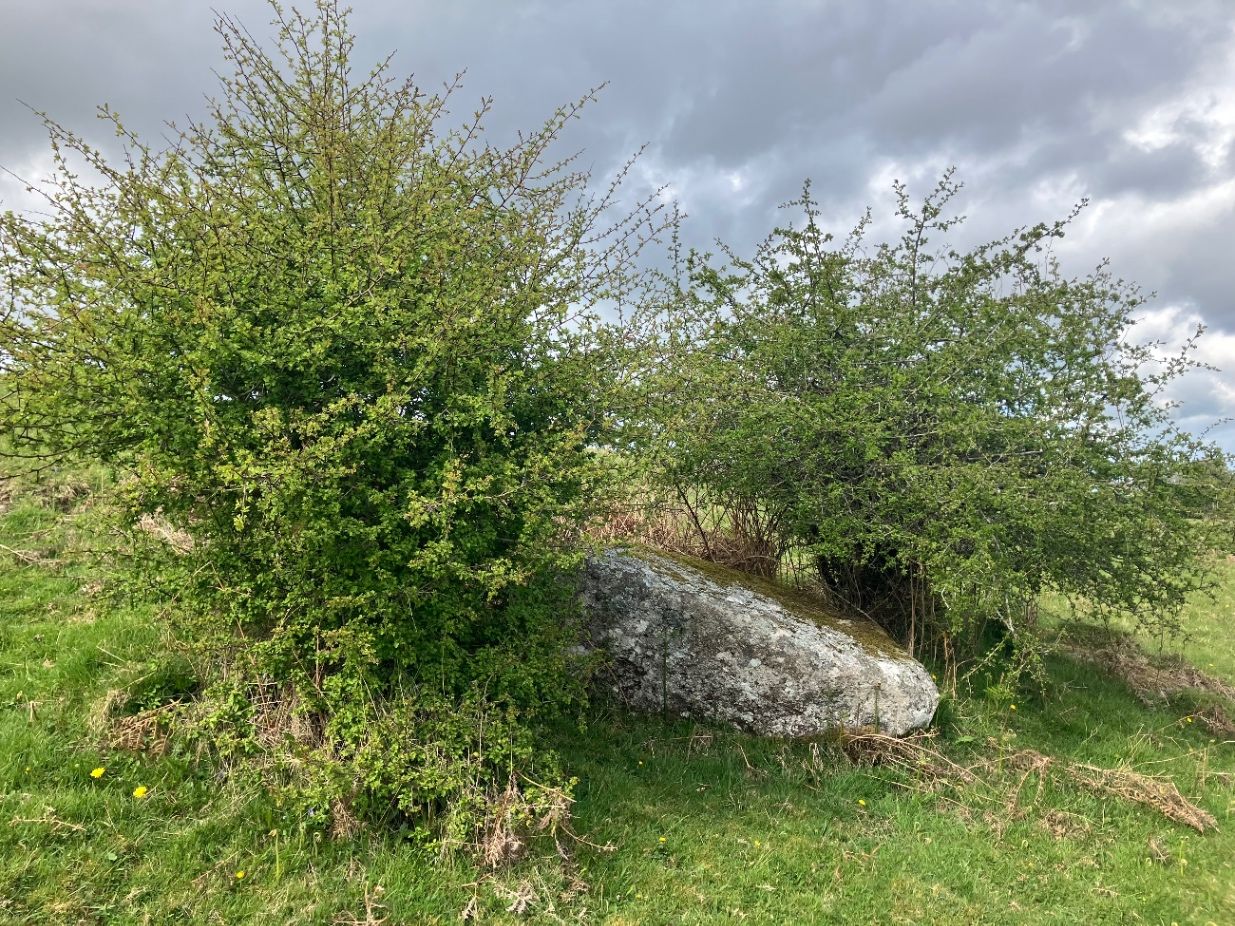
And while we are fixing the “too tidy’ problem, we should probably head back into the woods and take stock there too. Instead of tidying up all the field margins, rooting out any scrub and sweeping away every last weed, maybe we could use that time and energy in the woods. Beat them into shape again for the nightingales and wood white butterflies and our own self-sufficiency (and bragging rights down the pub).
Oh, and we need Defra to stop penalising us for our mess…
...and start paying us instead!